RSS

🏡 September 2025 Market Update – South Shore & Annapolis Valley, NS


The latest residential market statistics are in, and both South Shore and Annapolis Valley continue to show notable activity and price growth.

📍 South Shore, Nova Scotia
Average Residential Price: $500,565
Year-over-Year Price Change: +28.2%
Residential Sales: 110 units


The South Shore experienced a significant year-over-year increase in average home prices. This upward trend may reflect increased demand for coastal properties, ongoing inventory challenges, or renewed interest from out-of-province buyers.

📍 Annapolis Valley, Nova Scotia
Average Residential Price: $380,833
Year-over-Year Price Change: +7.2%
Residential Sales: 145 units


While the Annapolis Valley also saw price growth, the pace has been more moderate. The Valley continues to offer strong value for buyers, particularly those seeking rural lifestyle properties or first-time homeownership opportunities.

🔍 What This Means for You
Both regions are still experiencing healthy demand, though inventory levels and buyer expectations may be shifting. And with mortgage rates starting to ease, we may see renewed interest from buyers who’ve been waiting for more favourable borrowing conditions. Lower rates can improve affordability—even as prices remain elevated.

If you're considering buying or selling this fall, it’s important to understand how local market activity and national lending trends could impact your next move.

📞 Reach out anytime if you’d like a deeper look at how these trends apply to your neighbourhood or property.

📊 Source: Canadian MLS® Systems, C

Read

🏆 Ryan Cook Named Among EXIT Realty’s Top 30 Agents in Atlantic Canada – August 2025

I’m excited to share that I’ve been recognized by EXIT Realty Corp. International as one of the Top 30 REALTORS® in Atlantic Canada for August 2025, ranking #16 in GCI.

This recognition is more than just a milestone — it’s a reflection of the relationships I’ve built with clients, the hard work that goes into every transaction, and the trust that so many families have placed in me to guide them through their real estate journeys.

As a REALTOR® with EXIT Realty Inter Lake and a local expert here in Atlantic Canada, I strive to deliver honest advice, strategic guidance, and results-driven service. Whether you're buying your first home, selling your current property, or investing in the market, my goal is to make your experience smooth and successful from start to finish.

Why This Recognition Matters to Me

Each month, EXIT Realty Corp. International highlights top-performing agents who exemplify excellence in service, production, and client satisfaction. To be ranked among the Top 30 in Atlantic Canada is truly an honour — and it wouldn’t be possible without the continued support of clients, colleagues, and my EXIT Realty family.

Thank You

To my clients: thank you for trusting me with your biggest decisions. To my community: thank you for continuing to recommend me to friends and family. And to the team at EXIT Realty: thank you for the tools, mentorship, and environment to thrive.

I’m looking forward to helping even more people achieve their real estate goals in the months ahead.


Ready to talk real estate?
If you're looking to buy, sell, or just have questions about the market, I’m here to help.

📩 Contact me here or give me a call — let’s start the conversation.


Ryan Cook
Sales Representative | EXIT Realty Inter Lake | 902-521—0543

Read

Is Bridgewater, Nova Scotia a Nice Place to Live or Visit?

If you're considering relocating to Nova Scotia or just planning a trip along the South Shore, you're probably wondering: Is Bridgewater, NS a nice place to live? The short answer: yes. Bridgewater is often referred to as the “Main Street of the South Shore,” offering a balanced lifestyle with access to nature, modern amenities, and a growing local economy.

Let’s explore what makes Bridgewater such a popular place to live and visit.


What Is It Like to Live in Bridgewater?

Living in Bridgewater offers a mix of small-town charm and modern conveniences. Residents enjoy a scenic riverside setting, affordable real estate, and access to quality healthcare, schools, and recreational facilities. The community is welcoming, safe, and great for families, retirees, and remote workers looking to escape the city without losing connection to services.


How Many People Live in Bridgewater, Nova Scotia?

As of the latest census, Bridgewater has a population of around 8,800 people, making it the largest town on Nova Scotia's South Shore. Its size means you get the benefits of a well-developed community without the stress or congestion of a large city.


Is Bridgewater, NS Growing?

Yes, Bridgewater is growing steadily. New residential developments, infrastructure improvements, and commercial investments have supported a healthy rate of growth over the last decade. This includes renewable energy projects, downtown revitalization, and the expansion of business parks. Bridgewater has become a regional hub for services, drawing people from surrounding communities for work, shopping, and healthcare. According to top realtor Ryan Cook, the town’s growth is attracting more buyers looking for both investment opportunities and a vibrant place to call home.


What Is the Main Industry in Bridgewater?

Bridgewater’s economy is diverse, with Michelin being the town’s largest employer. The Michelin tire plant plays a major role in the local economy and employs hundreds of residents. Beyond manufacturing, retail, healthcare, and education are key sectors, thanks to the town’s role as the service center of the South Shore.

Bridgewater is also focusing on sustainable development, with investments in green energy, smart infrastructure, and business innovation.


Is Bridgewater a Nice Place to Visit?

Absolutely! Whether you're planning a weekend getaway or a day trip, Bridgewater is a nice place to visit. Situated along the LaHave River, the town offers relaxing views, great local food, and easy access to iconic nearby destinations like Lunenburg and Mahone Bay.

Some top things to do while visiting include:

  • Strolling along the Centennial Trail, a scenic walking and cycling route

  • Visiting the DesBrisay Museum or Wile Carding Mill Museum

  • Exploring the charming King Street shopping district

  • Enjoying local cafes, restaurants, and live music events

  • Taking part in seasonal festivals and farmers markets


What to Do in Bridgewater for Adults

There’s plenty for adults to enjoy in Bridgewater—whether you're a local or just visiting:

  • Craft beer and dining: Enjoy local brews and riverside patios downtown

  • Recreation: The Lunenburg County Lifestyle Centre (LCLC) offers an aquatic center, library, and events

  • Cultural experiences: History buffs can visit museums, while art lovers can enjoy local galleries and performances

  • Trails & parks: Explore peaceful trails like Miller Point Peace Park or take a riverside walk

  • Festivals and nightlife: Seasonal events, live music, and cozy pubs add to the town’s vibrant culture


Does Bridgewater Have a Shopping Centre?

Yes, Bridgewater has several shopping options, including the South Shore Centre, the largest enclosed mall in the region. It features over 50 stores including Winners, SportChek, Sobeys, Dollarama, and more. Adjacent to it is East Side Plaza, which houses additional retail and service businesses.

In addition to big-name stores, Bridgewater’s downtown King Street offers unique local shops, bakeries, and artisan boutiques—perfect for both residents and visitors looking for something special.


So, is Bridgewater a good place to live or visit? The answer is a resounding yes. With a growing population, a stable economy, beautiful natural surroundings, and a vibrant local culture, Bridgewater, Nova Scotia offers a high quality of life.

Whether you're looking to relocate, start a business, or simply explore somewhere new, Bridgewater is a destination worth considering.

📞 Contact Ryan Cook recently ranked #16 in GCI among the Top 30 realtors in Atlantic Canada for July & August by EXIT Realty Corp. International, at +1 (902) 521-0543
📍 Sales Representative, EXIT Realty Inter Lake
Read

Mini Homes for Sale in Bridgewater, NS: A 2025 Guide for Buyers and Sellers

Why Mini Homes in Bridgewater Are in Demand

Bridgewater, Nova Scotia continues to attract buyers looking for affordable housing, smart downsizing options, and efficient living spaces. Among the most searched housing types in the area? Mini homes.

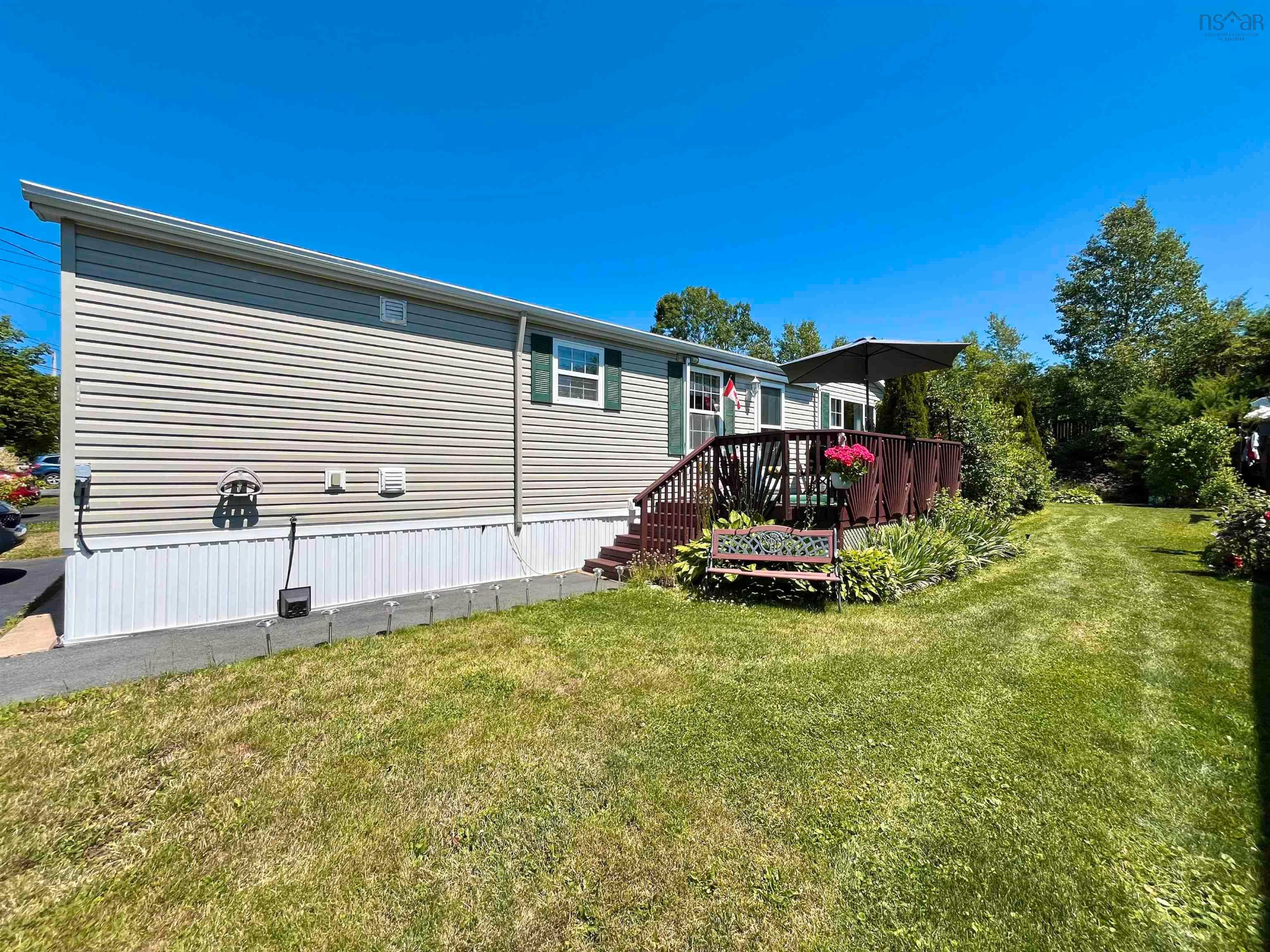
🖼️ Featured Listing: The featured image in this blog is 31 Thompson Drive in Bridgewater, a mini home I currently have listed. Check back often — inventory changes quickly! 📈

Also known as modular homes, manufactured homes, or mobile homes, mini homes offer a budget-friendly alternative to traditional real estate — without sacrificing comfort, location, or modern design.

As a local realtor who monitors the Bridgewater housing market daily, I’ve created this guide to help you understand what’s available, what to expect, and how to navigate the mini home market in 2025.


🔍 What is a Mini Home?

Let’s clarify the terminology first:

  • Mini Home / Manufactured Home: A factory-built residence delivered to a lot, either on owned land or in a land-lease community.

  • Modular Home: Similar to a mini home, but built in sections and assembled on-site, often indistinguishable from stick-built homes.

  • Mobile Home: Typically refers to older models built before the 1980s. The term is often used interchangeably with mini home, but there are key structural and code differences.

  • Single-Wide vs. Double-Wide: Refers to the width and layout. Single-wides are compact and efficient; double-wides offer more living space.

Mini homes can be installed on private land or within managed communities and parks — each with their own set of benefits, costs, and rules.


📍 Bridgewater, NS: Ideal for Mini Home Living

Bridgewater, located on Nova Scotia’s South Shore, is a growing service hub known for its walkable downtown, expanding amenities, and strong community feel.

Buyers are attracted to mini homes in Bridgewater for several reasons:

  • Affordability in a competitive real estate market

  • Proximity to amenities like schools, shops, and healthcare

  • Community-oriented parks with quiet streets and family-friendly environments

  • Low-maintenance lifestyle ideal for retirees, singles, or first-time buyers

  • Rental and investment potential (depending on zoning)

Mini homes offer a great entry point into homeownership in a town where demand continues to rise and inventory is tight.


Check out the mini home I currently have listed in Bridgewater here — and check back often, inventory changes quickly! 📈

🏘️ Mini Home Communities in Bridgewater

If you're looking at homes on leased land (mini home parks), there are a few well-established communities worth considering:

✅ LaHave Heights

  • One of Bridgewater’s most established and popular mini home communities

  • Well-maintained lots and roads

  • Close to the hospital, grocery stores, and schools

✅ Eisenhauer Place (North Street)

  • Quiet and well-managed

  • Typically offers 2-bedroom homes on smaller lots

  • Ideal for downsizers or retirees

✅ Other Park Communities

  • Additional smaller parks or private communities exist throughout Lunenburg County

  • These may not be as well-known but can offer excellent value

Before purchasing, always check the park's rules and bylaws. Each community has its own regulations on pets, additions, sheds, and parking.


💰 Costs to Consider When Buying a Mini Home

The affordability of mini homes is a big draw — but make sure you consider all the costs involved:

  • 🔹 Purchase Price
    Typically ranges from $160,000 to $275,000 depending on age, size, location, and upgrades.

  • 🔹 Lot Rent (if applicable)
    Land-lease fees can range from $250 to $400/month, covering road maintenance, water, and sewer.

  • 🔹 Utilities & Services
    Some mini homes are fully electric with heat pumps; others may use oil or propane. Budget accordingly.

  • 🔹 Insurance & Taxes
    Manufactured homes often require a specific type of homeowner insurance policy. Property taxes may be lower depending on the assessed value and land ownership.

  • 🔹 Financing

    • Traditional mortgages may be limited for leased-land homes

    • Lenders may require a larger down payment or shorter amortization

    • I can connect you with brokers experienced in mini home financing


✅ Pros and Cons of Mini Home Ownership

✔️ Pros:

  • Affordable entry point to homeownership

  • Lower property taxes and utility bills

  • Simpler, single-level living (ideal for aging in place)

  • Newer models are well-insulated and energy-efficient

  • Close-knit, quiet communities

❌ Cons:

  • Potential depreciation (especially older models)

  • Lot rent can increase over time

  • Restrictions in park settings

  • Limited financing options on leased-land units

  • Resale value tied to condition, location, and land type


🧠 Buyer Tips: How to Make a Smart Mini Home Purchase

  1. Get pre-approved with a lender who understands modular / manufactured housing.

  2. Inspect thoroughly, even newer homes. Pay attention to insulation, roof, and structural integrity.

  3. Review park rules before committing to a leased-lot property.

  4. Compare lot rent history and ask about future increases.

  5. Work with a local agent (👋 hi!) who knows this specific market and can find you hidden gems or off-market deals.


🏡 Selling a Mini Home? Here's How I Help

If you own a mini home and are thinking of selling, the right presentation and pricing strategy are critical. I offer:

  • Professional photography and staging advice

  • Targeted online marketing, including my E-Newsletter, & Facebook groups

  • MLS® exposure to buyers searching for mini homes

  • Local insights into pricing and buyer expectations

  • Hands-on support from listing to closing


📞 Ready to Start Your Mini Home Search?

Mini homes are an increasingly attractive option for buyers in Bridgewater — but the market moves fast. Whether you're buying your first home, downsizing, or looking for a smart investment, I can help you navigate every step.

👉 Contact me today for a list of available mini homes in Bridgewater, or to schedule a showing.

📞 Contact Ryan Cook at +1 (902) 521-0543
📍 Sales Representative, EXIT Realty Inter Lake

Read

Fall Activities to Enjoy Around Lunenburg County & the Annapolis Valley

Fall is one of the most beautiful and underrated times of year in Nova Scotia. As the leaves turn fiery shades of red, orange, and yellow, the South Shore and Annapolis Valley come alive with seasonal charm. Whether you’re looking for a relaxing weekend drive, a family-friendly day trip, or the perfect cider and pumpkin combo, our local communities offer plenty to explore this time of year.

Here are some of the best ways to soak up fall in our corner of Nova Scotia:


🎃 Visit a Pumpkin Patch or Local Farm Market

There’s something about a cool breeze and the smell of fresh hay that signals pumpkin season has arrived. Whether you're picking one for carving or just want a fall photo-op, local farms offer a full experience.

Top Picks:

  • Dempsey Corner Orchards (Aylesford) – A local favourite with pick-your-own pumpkins, apples, fresh cider, and animals the kids will love.

  • Indian Garden Farms (Hebbville) – Close to Bridgewater, this family-run farm has beautiful produce, gourds, and seasonal décor.

  • Ross Farm Museum (New Ross) – A living history farm that’s especially magical in the fall with walking trails, heritage demonstrations, and a peaceful rural setting.


🍎 Go Apple Picking in the Annapolis Valley

There’s no better excuse for a road trip to the Valley than apple season. Whether you’re after Honeycrisp, Cortland, or McIntosh, the orchards are bursting right now.

Must-Visit Orchards:

Pro tip: Go mid-week if you want to skip the crowds. And don’t forget to grab some cider donuts if they’re available.


🌳 Take a Fall Colours Hike or Scenic Drive

Fall is short—but sweet—when it comes to the colour show in Nova Scotia. From lakeside trails to coastal lookouts, there’s no shortage of ways to enjoy the foliage.

Scenic Hikes & Drives:

  • Gaff Point Trail (Hirtle’s Beach) – A local gem with a mix of ocean views, forest paths, and rugged coastline.

  • Mushamush Lake Trails (near New Germany) – A peaceful spot with beautiful lakeside sections and hardly any crowds.

  • Blomidon Provincial Park (Annapolis Valley) – Well worth the drive for its dramatic cliffs and panoramic fall views over the Minas Basin.

  • Highway 8 / Kejimkujik Drive – A gorgeous drive through rolling backcountry, especially between Caledonia and Annapolis Royal.


🛍️ Attend a Local Fall Festival or Community Event

Local events are a great way to support small businesses, meet your neighbours, and find one-of-a-kind fall goods—from homemade jams to handcrafted décor.

Check Out:

Make sure to follow local Facebook pages for up-to-date event listings!


☕ Warm Up at a Cozy Local Café

After a morning of hiking or apple picking, there's nothing better than grabbing a hot drink and a treat at one of our cozy local cafés.

Local Favourites:

  • LaHave Bakery – Riverside seating, wood-fired oven, and amazing bread and pastries.

  • The Biscuit Eater Café (Mahone Bay) – A charming bookshop café with seasonal menu items and a welcoming vibe.

  • T.A.N. Coffee (Wolfville & Mahone Bay) – Great atmosphere, perfect for a quick warm-up or working lunch.


🗺️ Map of Fall Destinations Around Lunenburg County & Annapolis Valley

Use this map to plan your fall adventures—whether you're heading out for a hike, market visit, or pumpkin patch experience.

📍Click Here 


🏡 Why Fall Is a Great Time to Buy or Sell Real Estate in Nova Scotia

While spring and summer get most of the attention, fall is often one of the best seasons to make a move:

For Buyers:

  • Less competition than in peak months

  • Sellers may be more motivated to close before winter

  • Beautiful fall light and curb appeal help you see homes at their best

For Sellers:

  • Your property shows beautifully with fall colours

  • Serious buyers are still actively looking

  • Closing before the holidays appeals to many buyers


Thinking of Making a Move This Fall?

Whether you're looking for a quiet cabin in the woods, a lakefront cottage, or your next family home, fall is a great time to make a move.

As a local REALTOR® focused on rural, recreational, and residential properties in Lunenburg County, Annapolis Valley, and the broader South Shore, I’m here to help you every step of the way.

📞 Contact Ryan Cook at +1 (902) 521-0543
📍 Sales Representative | EXIT Realty Inter Lake

Read

South Shore Nova Scotia: Town Comparison Guide

Thinking about moving to the South Shore of Nova Scotia? Here’s a breakdown of some of the region’s most popular communities — with lifestyle feel, real estate highlights, amenities, and commute time to Halifax — so you can find the right town for your next chapter.


🌊 Lunenburg

  • Vibe: Historic, walkable, cultural

  • Real Estate: Heritage homes, ocean views, mid-to-high price range

  • Amenities: Hospital, restaurants, shops, vibrant arts scene

  • Commute to Halifax: ~1 hour 15 minutes

  • Best For: Retirees, artists, heritage lovers


🛶 Mahone Bay

  • Vibe: Charming, creative, relaxed

  • Real Estate: Smaller homes, boutique style, high demand

  • Amenities: Cafés, shops, art galleries

  • Commute to Halifax: ~1 hour 10 minutes

  • Best For: Remote workers, young professionals, creatives


🛍️ Bridgewater

  • Vibe: Practical, family-focused

  • Real Estate: Affordable, newer subdivisions, townhomes

  • Amenities: Hospital, schools, big-box stores, full services

  • Commute to Halifax: ~1 hour 15 minutes

  • Best For: Families, first-time buyers, commuters


Chester

  • Vibe: Upscale, nautical, seasonal

  • Real Estate: Higher-end homes, oceanfront properties

  • Amenities: Marina, boutiques, golf course, cafés

  • Commute to Halifax: ~1 hour

  • Best For: Luxury buyers, sailors, retirees


🐚 Liverpool

  • Vibe: Quiet, coastal, laid-back

  • Real Estate: Very affordable, older homes, larger lots

  • Amenities: Grocery stores, rec centre, library

  • Commute to Halifax: ~1 hour 45 minutes

  • Best For: Retirees, creatives, affordability seekers


🎨 Petite Rivière / LaHave

  • Vibe: Rural, artistic, off-grid

  • Real Estate: Rustic cottages, small farms, close to beaches

  • Amenities: Artisan shops, ferry, natural beauty

  • Commute to Halifax: ~1 hour 30 minutes

  • Best For: Artists, nature lovers, off-grid living


🌲 New Germany / Caledonia

  • Vibe: Rural, forested, private

  • Real Estate: Acreage, homesteads, very affordable

  • Amenities: Basic shops, schools, limited services

  • Commute to Halifax: 1.5–2 hours

  • Best For: Homesteaders, privacy seekers, budget buyers


🧭 Choose Your Ideal Town by Lifestyle

Looking for...

  • 💰 Affordability?
    → Bridgewater, Liverpool, Caledonia

  • 🚶‍♂️ Walkable charm?
    → Lunenburg, Mahone Bay

  • 🌲 Rural privacy?
    → Petite Rivière, LaHave, New Germany

  • 🏖️ Upscale coastal living?
    → Chester, Mahone Bay

  • 💻 Remote work & creativity?
    → Mahone Bay, Lunenburg, Liverpool

  • 👨‍👩‍👧‍👦 Family-friendly amenities?
    → Bridgewater, Chester

  • 🏠 Heritage homes?
    → Lunenburg, Liverpool

  • 🎨 Artistic, off-grid lifestyle?
    → Petite Rivière, LaHave, Caledonia


🗺️ Tip from a Local

Even though many of these towns are just a short drive from each other, the lifestyle and community vibe can be completely different.

If you’re visiting, spend a weekend exploring a few options.


✅ Ready to Explore South Shore Properties?

Let’s find the place that fits your lifestyle, goals, and budget. Whether you’re relocating, retiring, or looking for a better work-life balance, I’ll help you compare your options — not just by price, but by pace, people, and potential.

📩 Contact me for a personalized consultation and town-by-town breakdown.

Read

A Local’s Guide to Bridgewater, Nova Scotia: Hidden Gems, Eats, and Experiences

Tucked along the LaHave River on Nova Scotia’s scenic South Shore, Bridgewater isn’t your typical tourist destination — and that’s exactly why it’s worth visiting. Known as the "Main Street of the South Shore," Bridgewater offers a refreshing mix of small-town charm, local culture, natural beauty, and surprisingly good eats.

Whether you're a first-time visitor or a curious Nova Scotian looking to explore your own province, here's a local’s guide to discovering the best of Bridgewater.


🌳 Start Your Day Outdoors

Woodland Gardens Park (a.k.a. the “Duck Pond”) is a peaceful spot perfect for an early morning stroll or coffee with a view. You'll often find locals walking their dogs or feeding the ducks. If you’re feeling more adventurous, hit the Centennial Trail — a converted railway line that takes you along tree-lined paths and past historic sights.

For a real nature hit, head to Miller Point Peace Park, just outside of town. It offers forested walking trails and a peaceful loop along the LaHave River — a hidden gem even some locals forget about.


🧠 Dig Into Local History

Bridgewater has more history than you might expect. The DesBrisay Museum is a great stop to learn about the area’s Mi’kmaq roots, Acadian settlers, and industrial past. If you’re into quirky history, visit the Wile Carding Mill Museum — a preserved water-powered wool mill that gives a hands-on look at 19th-century life.


☕️ Fuel Up Like a Local

Coffee lovers should swing by Fancy Pants Café, a charming little spot with great espresso, baked goods, and a cozy vibe. It’s the kind of place where the barista might remember your name after one visit.

Looking for breakfast or brunch? Try La Casetta for a European-inspired twist on classic morning plates, or grab a breakfast wrap from one of the local food trucks often parked downtown in the summer.


🍽 Where to Eat

Lunch or dinner, Bridgewater has you covered — especially if you're into local, no-fuss food:

  • River Pub: Overlooking the LaHave River, it’s the spot for a classic burger and beer, especially on the patio in summer.

  • Jac’s Burgers & Shakes: A retro-style diner vibe with big burgers and creamy milkshakes.

  • Tacoland: For a surprising taste of Mexico in Nova Scotia, head here. Locals swear by the chimichangas.

  • 27 South: Located inside the Best Western, this is your go-to for a slightly more upscale dinner (think steak, seafood, and Nova Scotia wines).


🛍 Shop Small

Bridgewater is more practical than boutique — but that doesn’t mean you won’t find a few gems. Explore the King Street shops for second-hand bookstores, local art, and handcrafted gifts. If you're around on a Saturday, check out the Bridgewater Farmers' Market for fresh produce, baked goods, and local crafts.


🏖 Make Time for the Water

Even though Bridgewater isn’t directly on the coast, it’s just a short drive to some of Nova Scotia’s best beaches. Risser’s Beach is about 25 minutes away and offers white sand, dunes, and great swimming in the summer.

Want something more low-key? Take the LaHave Ferry across the river and explore the LaHave Bakery (worth it for the cinnamon buns alone).


🎶 Events & Local Life

If you’re visiting in the summer, don’t miss Music on the Riverbank — a series of free concerts in Pijinuiskaq Park. It's laid-back, family-friendly, and very "South Shore."

And if you're lucky enough to be in town during The Big Ex (South Shore Exhibition-I was a sponsor this year 2025), expect carnival rides, agriculture shows, food trucks, and a lively crowd.


🧳 Final Tips

  • Stay: If you want something scenic, the Lighthouse Motel & Cottages offers riverside views and a relaxed pace. For something more central, Best Western Plus Bridgewater is clean, modern, and close to amenities.

  • Get Around: You’ll want a car if you're planning to explore nearby beaches or towns like Mahone Bay and Lunenburg (which are only 15–25 mins away).

  • Support Local: From your morning coffee to your evening beer, Bridgewater is full of small businesses that give the town its character — spend where it counts.


👣 Wrap-Up: Bridgewater, Unfiltered

Bridgewater isn’t flashy — but that’s part of its charm. It’s a town built for locals, not tourists, which means everything here has a bit more authenticity, a bit less polish, and a whole lot of heart.

So whether you're passing through or staying awhile, take a deep breath of that South Shore air, slow down, and enjoy Bridgewater like a local.

Read

How to Successfully Manage Your Airbnb in Nova Scotia — And Why You Need a Realtor Who Gets It

Are you buying or owning an Airbnb property in Nova Scotia? Owning a great vacation rental is exciting—but managing it well is the key to turning your investment into steady income.

As a local realtor specializing in Airbnb-friendly properties, I don’t just help you find the perfect home—I guide you through every step to maximize your rental’s success. From understanding local regulations to optimizing your guest experience, this guide covers how to manage your Airbnb effectively and why working with a realtor who knows the short-term rental market makes all the difference.


Why Proper Airbnb Management Matters in Nova Scotia — And Why It Starts With Your Realtor

Nova Scotia is a fast-growing tourism hotspot, but the short-term rental market is competitive and governed by evolving municipal and provincial rules. Simply buying a property isn’t enough. You need:

  • A location with strong demand and permitted short-term rental zoning

  • A property suited for guests, with features that boost bookings

  • Compliance with all regulations to avoid fines or closure

  • Marketing and communication strategies that attract and delight guests

This is where a knowledgeable realtor comes in. I help you:

  • Find neighbourhoods with the best rental demand and future growth

  • Identify properties with strong Airbnb potential based on features, location, and price

  • Understand all legal requirements and help you avoid costly mistakes

  • Provide ongoing support or referrals to local property managers and services


Top Airbnb Management Tips for Nova Scotia Hosts — Realtor-Approved

1. Pick a Location That Performs Year-Round

I’ll guide you to towns like Lunenburg, Mahone Bay, or Chester where tourism is strong but regulations are favourable. This upfront location selection ensures your Airbnb has high occupancy and strong ROI.

2. Make Sure Your Property Meets Airbnb Must-Haves

Waterfront views, pet-friendly policies, high-speed internet, and modern amenities are key. I help you spot homes that can be easily updated or renovated to meet guest expectations.

3. Automate and Personalize Guest Communication

Use tools to automate messages, but always personalize check-in instructions and local recommendations to make guests feel welcome. I can connect you with expert property managers who do this daily.

4. Stay On Top of Regulations and Safety

I ensure my clients understand the municipal zoning bylaws and provincial registration process—helping you avoid fines and maintain a legally compliant rental. Plus, I can recommend trusted local inspectors and safety auditors.

5. Prepare for Seasonal Changes

Nova Scotia’s tourism peaks in summer and fall, but winter rentals are growing. I’ll share insights on how to price competitively year-round and attract remote workers or off-season visitors.


How Working With Me as Your Realtor Makes Your Airbnb Investment More Profitable

  • Local Market Expertise: I know where Airbnb demand is highest, and what towns or neighbourhoods allow short-term rentals legally and profitably.

  • Property Analysis: Beyond price and condition, I have a team that can analyze the property to help you choose the best income-generating property.

  • Legal Navigation: Nova Scotia’s regulations can be tricky—especially in places like Lunenburg. I guide you through licensing, registration, and compliance so you avoid costly surprises.

  • Network of Trusted Vendors: From cleaners to maintenance pros to property managers, I connect you with vetted experts who keep your Airbnb running smoothly.


Ready to Buy or Upgrade Your Airbnb in Nova Scotia?

The Airbnb market here is booming—but it pays to work with a realtor who truly understands what makes a short-term rental successful. Whether you’re buying your first property or expanding your portfolio, I’ll help you:

  • Identify high-demand locations

  • Find homes with strong Airbnb appeal

  • Navigate complex zoning and registration requirements

  • Connect with local service providers who make hosting easier

Let’s chat about your investment goals and make your Airbnb dream a profitable reality. Contact me today to get started!


Frequently Asked Questions

Q: Can I legally operate an Airbnb in Nova Scotia?
Yes, but you must register with the provincial tourism registry and comply with local municipal bylaws.

Q: How do I choose the best Airbnb property?
Look for location, permitted zoning, amenities guests want, and potential for strong seasonal income. I can help with detailed market analysis.

Q: Should I manage my Airbnb myself or hire a property manager?
Both options work—if you want peace of mind and less hands-on work, I can refer reliable property managers.

Read

Thinking of Selling Your South Shore Property?

5 Things You Should Do Before Listing

If you’re thinking of selling your home or cottage on Nova Scotia’s South Shore, timing and preparation can make all the difference. Whether it's a full-time residence, a family cottage, or an investment property, doing a few key things before listing can help you sell faster—and for more money.

Here are the 5 things every South Shore seller should do before putting their property on the market in 2025:


1. Get a Market Evaluation

Online estimates are often way off, especially in rural or seasonal markets like South Shore. You’ll want a professional market evaluation based on:

  • Local recent sales (especially waterfront or rural homes)

  • Seasonal trends (summer vs winter listings)

  • Property type: recreational, residential, land, etc.

💬 Want a free market evaluation with no pressure? [Click here to request one.]


2. Handle the Small Repairs Now

You might be used to the squeaky screen door or sticking window, but buyers notice these things—especially if they’re from out of town and comparing multiple homes.

Small fixes that make a big impact:

  • Paint touch-ups

  • Tightening door handles

  • Fixing soft spots in flooring

  • Updating old light fixtures

Pro tip: Buyers in the South Shore often look for turn-key—especially when they're purchasing recreational properties.


 3. Curb Appeal Still Matters—Even in the Country

First impressions count, and a little effort goes a long way:

  • Clean up brush and overgrown shrubs

  • Rake paths or driveways

  • Add some potted plants or flowers near the entrance

  • Power wash decks and siding

If you’re near the water or have a view—highlight it. Buyers are often dreaming of that South Shore lifestyle.


 4. Know Your Septic, Well, and Electrical Setup

Buyers (and their agents) will ask:

  • Is the septic pumped and inspected?

  • When was the well last tested?

  • What kind of electrical panel is in place?

Get ahead of those questions by pulling up documentation or getting a pre-listing inspection if you're unsure. It builds buyer confidence and can speed up the closing.


 5. Professional Photos & Listing Strategy

Don’t let your agent—or their assistant—snap a few dark iPhone shots and call it a day.

Today’s buyers are searching online first, and great photos sell homes. Also, make sure your listing is marketed:

  • Across all major sites (Realtor.ca, etc.)

  • In Facebook groups and local pages

  • With a possible pre-listing “Coming Soon” campaign


 Bonus: Know Your Buyer

Are you selling a:

  • Waterfront cottage? (Market to Ontario buyers looking for a getaway)

  • Family home near Bridgewater? (Local families are searching)

  • Land parcel or fixer-upper? (Attract DIYers or investors)

Your marketing—and your listing agent—should know who they’re talking to.


Selling a property on the South Shore isn’t like selling in the city. From septic systems to seasonal access to knowing how to price in today’s market—the right prep can help you sell smarter, faster, and with less stress.

📩 Thinking about selling?
Let’s talk. I’ll walk you through your property’s value and help you decide if now’s the right time—no pressure.
👉 [Click here to request your free home evaluation]

Read

Buying a Home in Nova Scotia? 7 Questions You Didn’t Know You Should Ask

If you’re exploring the idea of buying a home in Nova Scotia — especially in one of the stunning South Shore communities like Lunenburg, Mahone Bay, or Chester — you’ve probably already considered the basics: price, location, and, let’s be honest… how close the nearest beach is.

But when you're shopping for real estate in Nova Scotia, especially if you're relocating from another province, there are a few questions that don’t show up on typical checklists — yet they can make a massive difference in your experience, your budget, and even your lifestyle.

Whether you're buying your first home, a retirement property, or a coastal cottage, here are 7 questions you probably didn’t know to ask — but absolutely should.


1. Is the Property on a Well or Municipal Water System?

In many parts of Nova Scotia’s South Shore, homes aren't connected to city water or sewer systems — they run on private wells and septic systems. This is totally normal, but it comes with a learning curve if you're not used to it.

Here’s what to ask:

  • When was the well water last tested? Look for documentation, especially testing for bacteria and minerals.

  • How deep is the well? Deeper often means better long-term reliability.

  • Is there a water treatment or filtration system? In some areas (like parts of Lunenburg County), water may contain iron, sulphur, or sediment that needs filtering.

  • Bonus: Ask if the home has a water softener — it’s a must-have in areas with hard water.

💡 Tip: If you’re unfamiliar with well systems, I can connect you with local professionals who specialize in water testing and treatment.


2. Is the Road Privately Maintained?

Some of the most beautiful waterfront or rural properties in Nova Scotia are accessed by private roads — not maintained by the province or municipality. That means:

  • You may need to hire a plow in winter

  • Property owners often share maintenance agreements (which can be informal or very formal)

  • Insurance providers may ask for road maintenance details

  • If the road is in poor shape, it could even affect mortgage approval

Don’t assume a road is public just because it’s paved — always confirm its status and ask who’s responsible for year-round maintenance.


3. Does the Home Have a Heat Pump or Just Baseboard Heat?

With Nova Scotia's variable climate and rising power rates, the type of heating system in a home matters — a lot.

Many older homes on the South Shore still rely on electric baseboards, which are simple but can be expensive to run in the winter. By contrast, homes with a ductless mini-split heat pump system (or even better, one with a wood stove or pellet stove backup) can offer:

  • Lower energy bills

  • Cooling in summer

  • More consistent comfort

Key questions to ask:

  • How old is the heat pump?

  • Has it been serviced recently?

  • Is it sized properly for the home?

  • Is there backup heat for very cold days or power outages?

A newer, efficient system can save you thousands over time — don’t overlook this detail.


4. Are There Any Covenants, Zoning Bylaws, or Use Restrictions?

If you're thinking of renting out your home, parking an RV, or running a business on your property, this is a big one.

In many newer subdivisions or cottage communities, there may be restrictive covenants on the title — legal rules that limit what you can do on the land.

Common restrictions include:

  • No short-term rentals (like Airbnb or VRBO)

  • No trailers, campers, or mobile homes

  • No livestock or commercial operations

  • Rules around fencing, building size, or even paint colours

Also ask about zoning bylaws, especially in rural areas. Some lots may be zoned strictly residential, while others might allow for mixed-use or home businesses.

Before you dream up your Airbnb empire, make sure you know what’s legally allowed.


 5. Is the Property at Risk of Flooding or Coastal Erosion?

Oceanfront living in Nova Scotia is breathtaking — but it also comes with environmental considerations.

Flood zones and shoreline erosion are real concerns on the South Shore, especially as climate patterns shift.

Ask your realtor (👋 that’s me) to help you check:

  • Provincial and federal flood risk maps

  • Whether the home is in a designated floodplain (this can impact insurance rates)

  • What type of shoreline protection (if any) exists

  • Whether the area has a history of storm surge or high winds

A beautiful view is one thing — but you want peace of mind too. Buying smart now can prevent costly surprises later.


6. How Much Are the Property Taxes — Really?

Many Nova Scotia listings say “TBD” under property taxes — or list last year’s amount, which can be misleading.

Things to consider:

  • Oceanfront and higher-value homes may have higher assessments

  • If you’re a non-resident (don’t live in Nova Scotia full-time), you may be subject to the Non-Resident Property Tax

  • The Deed Transfer Tax (paid at closing) varies by municipality — up to 1.5% of the purchase price

  • Ask about average power bills — especially in winter

💡 Tip: As your buyer’s agent, I can request the exact tax history and estimate closing costs — including your deed transfer tax — before you make an offer.


7. Who’s Going to Help After Closing Day?

Some agents disappear the moment the deal closes — but real estate in Nova Scotia, especially in rural or cottage settings, often requires support after possession.

Before choosing a realtor, ask:

  • Will you recommend local tradespeople, inspectors, or contractors?

  • Can you help with utility setup, garbage pickup info, or snow removal contacts?

  • If I have a random question 6 months from now… can I still call you?

(Spoiler: My answer is always yes.)

The home-buying process doesn’t stop at the keys — and having a local, responsive agent makes a world of difference, especially when you’re new to the area.


Buying a Home in Nova Scotia Starts with the Right Questions

These aren’t your standard “how many bedrooms” questions — and that’s the point. Buying a home on Nova Scotia’s South Shore is different in all the best ways — but it also comes with unique things to consider.

By asking the right questions before you make an offer, you’ll avoid costly surprises, buy with more confidence, and ensure your new home supports the lifestyle you want.


Ready to Start Your Search?

Whether you're moving from another province, relocating within Nova Scotia, or buying your very first home — I’d love to help you navigate the process with clarity and confidence.

Read

August Market Report

Nova Scotia’s real estate market in August 2025 showed a slight dip in sales, with 1,078 homes sold — down 2.1% compared to last year. Despite the small decrease in activity, average home prices continue to rise steadily across the province, increasing by 7.1% year-over-year to $467,148. Inventory levels are higher than they have been in recent years, offering buyers more options and creating a more balanced market.

Below is a detailed breakdown of sales and price trends by region, helping you understand how different parts of Nova Scotia are performing.

August Market report

Read

Moving to Nova Scotia from Another Province? Here’s What Will Surprise You (In a Good Way)

Are you thinking about moving to Nova Scotia from Ontario, Alberta, British Columbia, or another Canadian province? You’re not alone — and you’re certainly not the first.

In recent years, Nova Scotia real estate, especially on the South Shore, has seen a surge in demand from out-of-province buyers looking for affordable homes, a slower pace of life, and oceanfront living. Whether you’re dreaming of a saltwater breeze or just need a break from the rat race, this charming province delivers in more ways than one.

But relocating isn’t just about changing addresses — it’s about embracing a new lifestyle. And while many of the differences are pleasantly surprising, there are a few things to know before making the leap.

Here are the top things that might surprise you — in a very good way — when you move to Nova Scotia.


1. You’ll Actually Get More House for Your Money in Nova Scotia

One of the biggest motivators for people relocating from provinces like Ontario, Alberta, or BC is the cost of housing. If you’ve spent time house-hunting in Toronto, Calgary, or Vancouver, you’ll be amazed at what your budget can buy on Nova Scotia’s South Shore.

  • 🔹 In many South Shore communities, $400,000 could get you a charming 3-bedroom home, often with acreage, privacy, or even ocean views.

  • 🔹 Property taxes are typically lower than the national average, though they vary by municipality.

  • 🔹 Closing costs, legal fees, and other purchase-related expenses are often more affordable than in larger urban centres.

Want real-time examples? I’m happy to send you current MLS listings that match your budget and wish list — no strings attached.

Whether you’re a first-time buyer or looking for a second home near the water, Nova Scotia real estate offers true value — something that’s getting harder to find in other parts of the country.


2. The Pace of Life is Slower — and That’s a Good Thing

If you’re used to hustle culture, 2-hour commutes, or 60-hour workweeks, prepare for a big — and welcome — shift. One of the first things newcomers notice about living in Nova Scotia is the slower, more intentional pace of life.

  • Fewer traffic jams (unless you count the occasional tractor)

  • Strangers strike up conversations at the grocery store

  • Local shops may close early — and many take Sundays off

  • Life feels quieter… at first. But soon, that quiet becomes your new normal

Most out-of-province buyers say they can actually breathe for the first time in years. The lack of stress, noise, and rush is a powerful reason why so many people fall in love with the South Shore lifestyle.


3. Seafood is Cheap — Everything Else, Not So Much

If you love seafood, moving to Nova Scotia is like hitting the jackpot.

  • 🦞 Lobster, scallops, haddock, and other local catches are plentiful and affordable — often bought straight from the wharf

  • 🥕 Local produce and meats are fresh, delicious, and often cost less than grocery chains

  • 🧀 But some things — like cheese, paper products, or certain brand-name items — can be more expensive due to shipping and availability

Pro tip: Shopping at farmers’ markets, co-ops, and small local stores can save money and support the community. Plus, the quality is usually unbeatable.


 4. You’ll See “Deed Transfer Tax” on Your Closing Costs

Here’s one thing that surprises many Ontario or Alberta buyers: In Nova Scotia, you’ll pay a one-time “Deed Transfer Tax” (DTT) at closing. This is similar to land transfer tax in other provinces.

  • Ranges from 0.5% to 1.5% of the purchase price, depending on the municipality

  • Most South Shore towns, including Lunenburg County, charge 1.5%

  • It’s paid by the buyer at the time of closing

A good real estate lawyer will break down these costs for you in detail, so you’re never left guessing.


5. The Weather is Coastal — Which Means Unpredictable

Compared to much of inland Canada, Nova Scotia has milder winters and cooler summers — but don’t toss your parka just yet.

  • Winters tend to be wet and slushy rather than bitterly cold

  • Summers are breezy, sunny, and typically not too hot

  • Fog and wind are common, especially near the ocean (e.g., Lunenburg, Chester)

Most newcomers say the air feels cleaner, and the weather overall is gentler than they expected — but it’s smart to invest in a solid raincoat and waterproof boots.


6. People Here Prioritize Lifestyle Over Status

Forget the rat race. In Nova Scotia — and especially on the South Shore — you’ll find a culture that values quality of life over career status.

  • Many residents work remotely, run small businesses, or have flexible careers

  • It’s not unusual for someone to take a weekday off for kayaking, hiking, or fishing

  • There’s more focus on well-being, community, and balance

This is a huge draw for people feeling burned out in fast-paced provinces. Moving here can feel like a lifestyle “reset” — not just a new address.


7. You’ll Need a Car — Full Stop

This isn’t Toronto or Vancouver. Outside of Halifax, public transportation is limited or nonexistent in many parts of the province.

If you’re moving to a small town or rural area:

  • A reliable vehicle is essential (snow tires recommended)

  • Gas prices can vary — locals often fill up when prices drop

  • Most errands are a 15–30 minute drive, but with gorgeous coastal views along the way

Pro tip: Some communities have informal carpool groups or community rideshare boards. Ask your local realtor for insight.


8. Power Outages Happen — Especially in Rural or Coastal Areas

Living in Nova Scotia means embracing a bit of unpredictability, including the occasional power outage during a storm.

Especially in rural or coastal areas:

  • Windstorms can knock out power lines (trees are a big culprit)

  • Many homes have backup generators, wood stoves, or battery systems

  • A well-prepared household includes flashlights, bottled water, and firewood

A good local realtor (like me 👋) will help you assess whether a home is storm-ready and advise you on setup if you’re new to coastal living.


9. You’re Not Just Moving — You’re Changing How You Live

Relocating to Nova Scotia is about more than affordability or ocean views. It’s a chance to rethink how you live your life.

  • More space, fewer people

  • Less rush, more time

  • Less noise, more nature

  • Less stress, more connection

Whether you're moving for retirement, to raise a family, or to work remotely in a peaceful environment, the South Shore of Nova Scotia offers something unique: a true sense of belonging.


Ready to Make Nova Scotia Home?

Thousands of people are discovering what life is really like on the South Shore of Nova Scotia — and loving it. From the affordable homes to the strong sense of community and coastal beauty, it's easy to see why so many people are making the move.

As a local South Shore real estate agent, I specialize in helping out-of-province buyers navigate their move with confidence. From explaining deed transfer tax, to identifying storm-ready homes, to helping you choose the right town or rural area, I’m here for the whole journey.

👉 Thinking About Moving to Nova Scotia? Let’s Connect:

  • 🏠 Get personalized real estate listings based on your budget

  • 🌊 Explore oceanfront and rural properties across the South Shore

  • 📥 Download my free South Shore Relocation Guide

  • 🧭 Book a free, no-pressure consultation call to chat about your goals


🧭 BONUS: South Shore Towns to Explore

While Halifax gets the spotlight, these hidden gems are beloved by newcomers:

  • Lunenburg – Historic, colorful, and full of charm (UNESCO World Heritage Site)

  • Mahone Bay – Quaint and scenic with a vibrant arts community

  • Bridgewater – A growing town with all the essentials

  • Chester – Upscale but laid-back, with incredible sailing

  • Liverpool – Affordable coastal living and a strong community vibe

Let me know what lifestyle you’re looking for, and I’ll help you find the perfect Nova Scotia town to call home.


Moving to Nova Scotia doesn’t have to be complicated. With the right guidance and a little local know-how, it can be the start of something incredible.

Let’s talk about your move — and how we can make it smooth, simple, and surprisingly wonderful.

Read