RSS

7 Fall Home Maintenance Tips for South Shore Nova Scotia Homeowners

October is the perfect time to give your home a little extra attention before winter arrives on Nova Scotia’s South Shore. As temperatures begin to drop, leaves fall, and Atlantic winds and rain become more frequent, preparing your property for the colder months can help prevent costly repairs and keep your home comfortable throughout the winter.

Whether you own a home in Bridgewater, Lunenburg, Mahone Bay, or one of the many beautiful rural communities along the South Shore, fall home maintenance is an important part of protecting your investment.

Nova Scotia’s coastal climate can bring a combination of wind, rain, freezing temperatures, snow, and changing weather conditions. Taking care of small maintenance tasks in the fall can help you identify potential problems before winter makes them more difficult or expensive to address.

From cleaning gutters and inspecting your roof to servicing your heating system and preparing outdoor plumbing, a little preventative maintenance now can make a big difference when the temperatures drop.

If you’re a homeowner on Nova Scotia’s South Shore, here are seven important fall home maintenance tips to add to your October checklist.

1. Clean Your Gutters and Downspouts Before the Leaves Fall

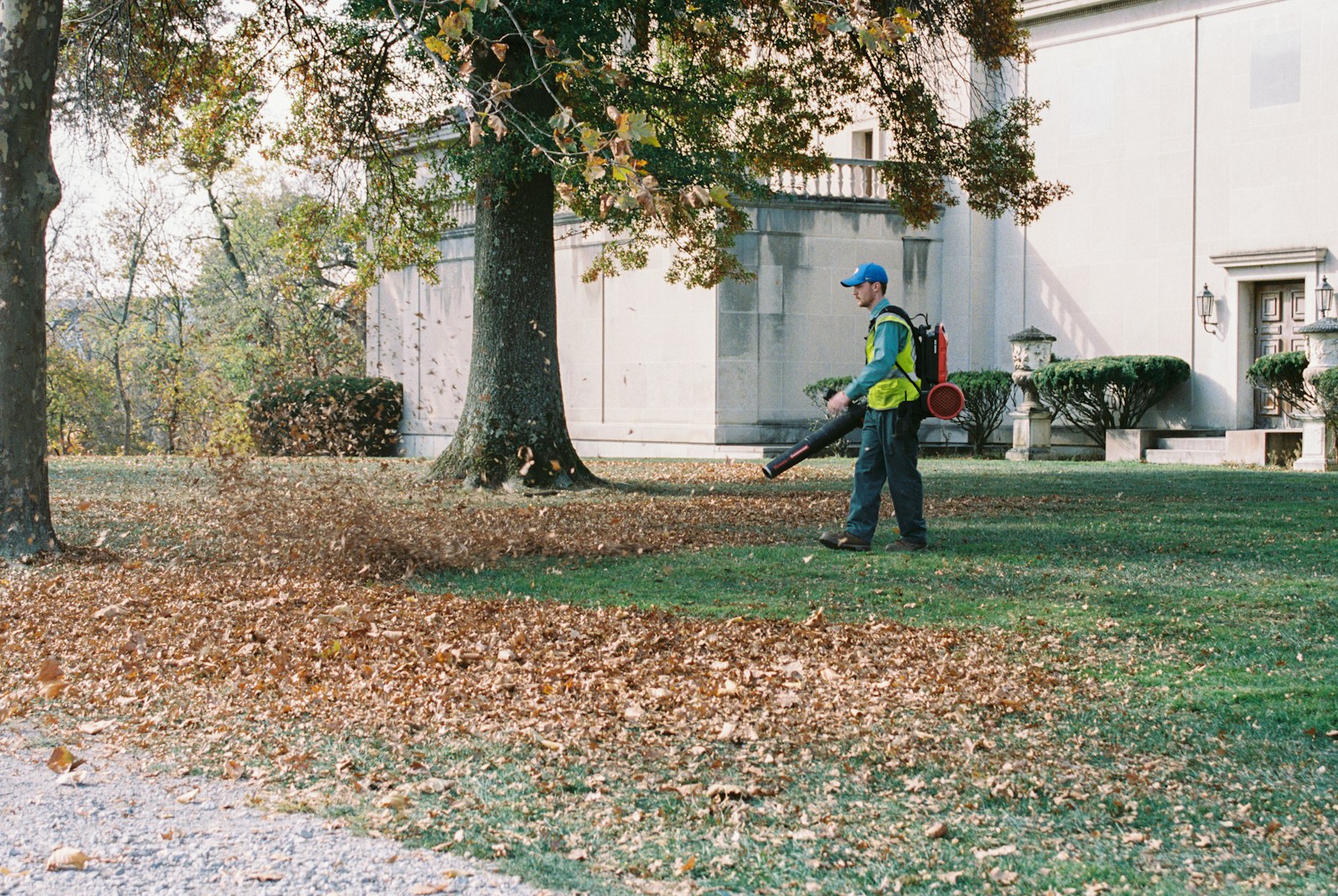
With colourful autumn leaves covering the South Shore, October is an ideal time to check your gutters and downspouts.

Leaves, twigs, pine needles, and other debris can accumulate in your eavestroughs, preventing rainwater from draining away properly. When gutters become blocked, water can overflow and collect around your foundation, potentially contributing to moisture problems, basement leaks, and damage to exterior surfaces.

Before winter arrives, make sure your gutters and downspouts are clear and directing water away from your home.

Here are a few things to check:

  • Remove accumulated leaves and debris from gutters.

  • Check downspouts for blockages and ensure water flows freely.

  • Make sure downspouts direct water away from the foundation.

  • Look for loose brackets, sagging sections, or visible damage.

  • Check that the ground around your home slopes away from the foundation where appropriate.

For homes surrounded by mature trees, you may need to check your gutters more than once during the fall.

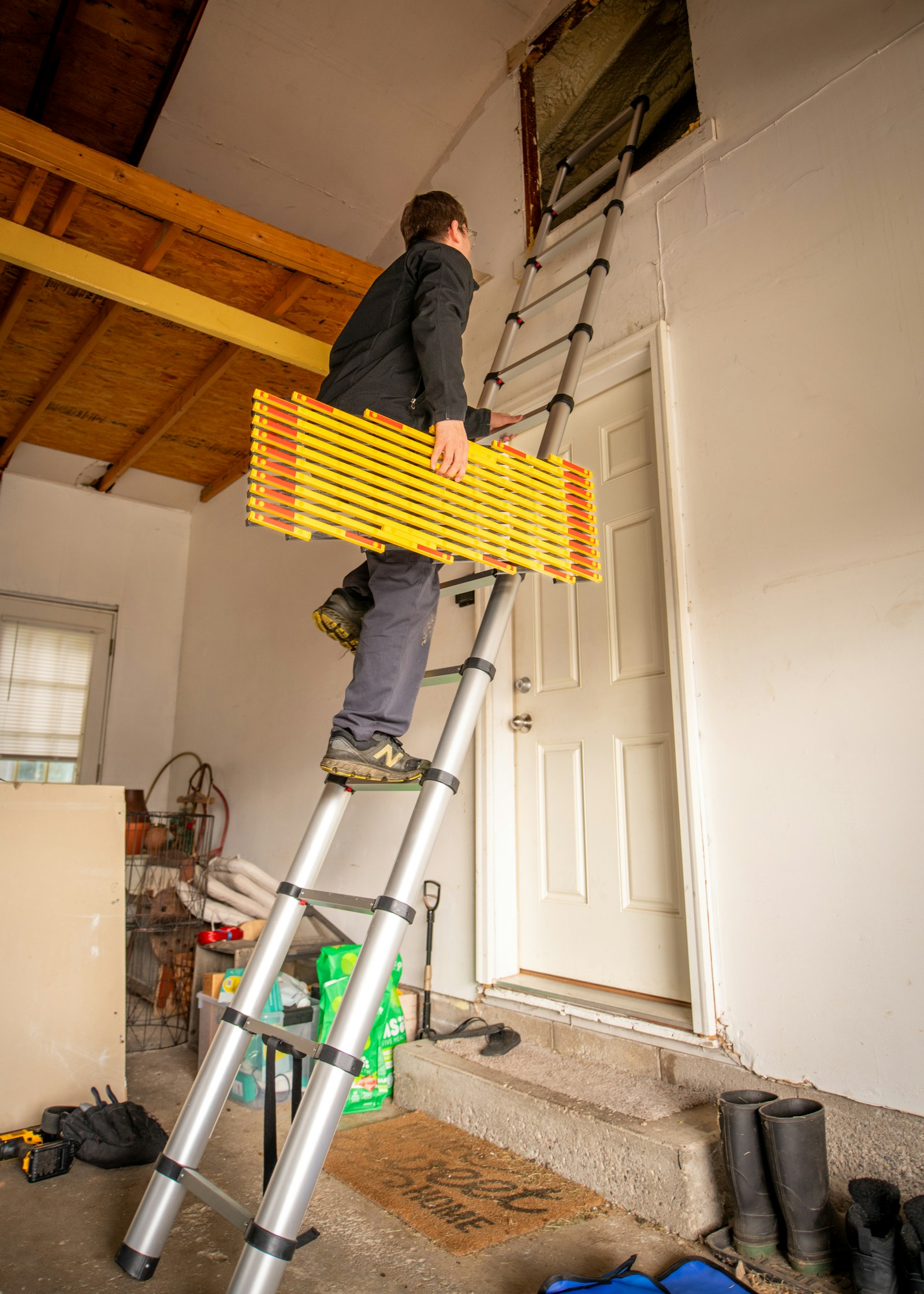
If your property has a steep roof or difficult-to-reach gutters, consider hiring a professional rather than climbing a ladder yourself.

South Shore homeowner tip: With frequent autumn rainfall along Nova Scotia’s coast, proper drainage is especially important. Keeping water moving away from your home can help reduce the risk of moisture-related issues before freezing weather arrives.

2. Schedule a Heating System Inspection

When the colder weather settles in, your heating system becomes one of the most important parts of your home.

Whether your property uses a furnace, boiler, ductless heat pump, or another heating system, autumn is a good time to make sure everything is operating as it should before you depend on it every day.

A heating system that receives regular maintenance may operate more efficiently and can help you identify potential issues before they turn into unexpected winter breakdowns.

Consider adding these tasks to your fall maintenance checklist:

  • Book a professional heating system inspection or service as recommended by the manufacturer.

  • Replace or clean furnace filters as appropriate.

  • Clean heat pump filters and check the outdoor unit for leaves and debris.

  • Make sure heating vents and air returns are not blocked.

  • Check thermostats and confirm your system responds properly.

  • Review your heating system's maintenance records and any recommended repairs.

If you use a heat pump, keep the outdoor unit clear of leaves and other debris, and follow the manufacturer's guidance for maintaining adequate airflow and winter operation.

Homeowners with oil, propane, or wood heating should also make sure their equipment is maintained appropriately and that fuel supplies and backup heating arrangements are considered before winter.

Why this matters: Heating problems are much easier to address before a cold spell than during one. Scheduling maintenance in October can give you more time to arrange repairs and prepare your home for the months ahead.

3. Check Windows and Doors for Drafts

Have you noticed a cool breeze near a window or felt cold air coming through an exterior door? Fall is the ideal time to address these small problems before winter temperatures arrive.

Drafty windows and doors can make your home feel less comfortable and may contribute to higher heating costs. Worn weatherstripping, deteriorating caulking, and gaps around frames can allow cold air to enter while warm air escapes.

Walk through your home on a cool day and pay attention to areas where you notice drafts or temperature differences.

Here are a few ways to improve your home's weather protection:

  • Inspect weatherstripping around exterior doors and replace worn sections.

  • Check window caulking for cracks, gaps, or deterioration.

  • Look for visible gaps around window and door frames.

  • Make sure exterior doors close properly and latch securely.

  • Check for damaged window screens or other signs of wear.

  • Consider appropriate draft-proofing measures for older homes.

If you live in a historic property in Lunenburg, Mahone Bay, or another established South Shore community, take extra care when working around original windows and architectural details. Older homes can have unique maintenance needs, and preserving their character while improving comfort may require specialized advice.

For homeowners considering upgrades, energy-efficient improvements may also be worth exploring. The best solution will depend on the age of your home, the condition of the existing windows and doors, and your budget.

A few simple repairs in the fall can help create a more comfortable home throughout the winter season.

4. Inspect Your Roof and Check for Signs of Damage

Your roof protects your home from rain, wind, snow, and freezing temperatures. Before winter arrives, take time to look for visible signs of damage that may need professional attention.

Strong winds and heavy rainfall can put stress on roofing materials, flashing, shingles, and other exterior components. Even a small problem can become more serious if moisture enters the roof structure and freezing temperatures follow.

From the ground, look for:

  • Missing, cracked, curled, or damaged shingles.

  • Loose or damaged flashing around chimneys and roof penetrations.

  • Visible signs of sagging or deterioration.

  • Debris accumulating on roof surfaces.

  • Damaged soffits, fascia, or other roof-edge components.

  • Water stains on ceilings or walls inside your home.

If you notice signs of a leak, address the issue promptly rather than waiting until spring.

It's also worth checking your attic, if accessible, for signs of moisture, staining, or unusual dampness. Adequate attic ventilation and insulation can play an important role in winter home performance, so consider having any concerns assessed by a qualified professional.

Avoid climbing onto your roof to inspect it yourself, particularly during wet or windy weather. A qualified roofing contractor can safely assess the condition of your roof and recommend repairs when needed.

A helpful reminder for coastal homeowners: Wind exposure and weather conditions can vary considerably from one property to another. Regular roof inspections and timely repairs can help protect your home from the elements.

5. Prepare Outdoor Taps, Hoses, and Exterior Plumbing

Freezing temperatures can cause water inside exposed plumbing to expand, potentially leading to cracked pipes, leaks, and costly repairs.

Before the first hard freeze, take time to prepare outdoor taps and any plumbing that may be vulnerable to cold weather.

Your fall checklist should include:

  • Disconnect garden hoses from outdoor taps.

  • Drain and store hoses for the winter.

  • Shut off and drain exterior water lines if your plumbing system is designed for this and the manufacturer or a qualified professional recommends it.

  • Check that exposed pipes in unheated areas are appropriately protected.

  • Inspect accessible plumbing for signs of leaks or damage.

  • Make sure you understand where your home's main water shutoff is located.

If your home has a crawl space, detached garage, seasonal outdoor plumbing, or other areas exposed to cold temperatures, pay particular attention to those locations.

For properties with more complex plumbing arrangements, ask a qualified plumber about the correct winterization process.

It's also a good idea to know how to respond if a pipe freezes or bursts. Knowing where to shut off the water can help limit damage while you arrange professional assistance.

Taking these precautions in October can help you avoid an unpleasant surprise during a winter cold snap.

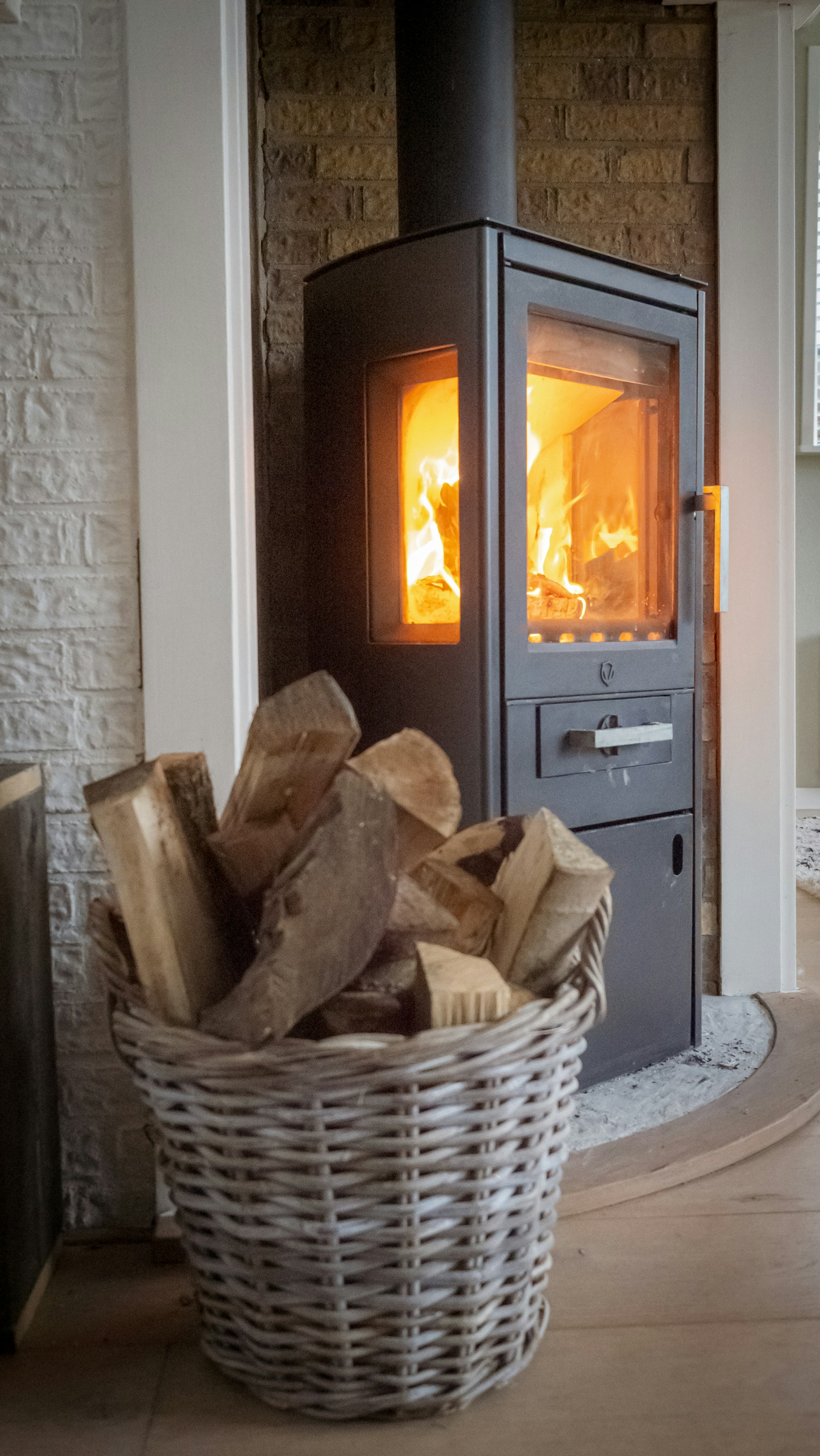
6. Have Your Chimney and Fireplace Inspected

If your home has a wood stove, fireplace, or another solid-fuel heating appliance, fall is an excellent time to arrange the appropriate chimney inspection and cleaning.

A fireplace can make a South Shore home feel especially cozy on a cold autumn evening, but safe operation depends on proper maintenance.

Creosote, soot, and other deposits can accumulate inside chimneys and flues. Blockages, damaged components, and other problems can increase the risk of a chimney fire or carbon monoxide entering your home.

Before using your fireplace or wood stove regularly, consider the following:

  • Arrange a chimney inspection and cleaning as recommended by a qualified professional.

  • Check for visible damage to the fireplace, stove, chimney, and surrounding materials.

  • Make sure the flue and chimney are suitable for the appliance and in proper working condition.

  • Burn only the fuel recommended for your appliance.

  • Keep combustible materials away from heating equipment.

  • Follow the manufacturer's operating and maintenance instructions.

If you use a wood stove as your primary or backup heat source, make sure you have an appropriate supply of properly seasoned firewood stored safely and protected from excessive moisture.

Remember that regular maintenance is important even if you only use your fireplace occasionally.

Safety tip: Never use a fireplace or wood stove if you suspect a damaged chimney, blocked flue, or other unsafe condition. Have the problem assessed before using the appliance.

7. Test Smoke Alarms and Carbon Monoxide Alarms

As homeowners begin using their heating systems, fireplaces, and wood stoves more frequently, fall is an important time to check smoke alarms and carbon monoxide alarms.

Smoke alarms provide early warning in the event of a fire, while carbon monoxide alarms can alert you to the presence of this dangerous, odourless gas.

Every home should have the appropriate alarms installed, positioned, and maintained according to applicable requirements and the manufacturer's instructions.

Add these tasks to your October checklist:

  • Test smoke alarms using the test button.

  • Test carbon monoxide alarms according to the manufacturer's instructions.

  • Replace batteries where applicable and required.

  • Check the age and expiry or replacement date of each alarm.

  • Replace alarms that have reached the end of their service life.

  • Make sure alarms are installed in the appropriate locations throughout your home.

  • Review your household's fire escape plan.

If your home has fuel-burning appliances, an attached garage, a wood stove, or a fireplace, carbon monoxide safety deserves particular attention.

Never ignore a carbon monoxide alarm. If it sounds, leave the building, get to fresh air, and contact emergency services from a safe location.

A few minutes spent checking your alarms can be an important part of protecting your household throughout the heating season.

Bonus Fall Maintenance Tips for Rural South Shore Properties

If you own a rural property outside Bridgewater, Lunenburg, Mahone Bay, or another South Shore community, your fall maintenance routine may involve a few additional tasks.

Rural homes often have features that require specific seasonal attention, including private wells, septic systems, longer driveways, outbuildings, and backup heating equipment.

Consider adding these items to your fall checklist.

Check Your Well and Water Supply

If your home uses a private well, review any recommended maintenance and water-testing schedule. Inspect accessible well components for visible damage, keep the well area protected, and make sure surface water drains away appropriately.

If you have concerns about water quality, arrange suitable testing through an appropriate laboratory or service provider.

Review Your Septic System

Your septic system is an important part of your property's infrastructure. Check available maintenance records, follow recommended pumping and inspection schedules, and keep vehicles and heavy equipment off the septic tank and drainage field unless the system is specifically designed to accommodate them.

Look for warning signs such as persistent wet areas, unusual odours, or slow drains, and contact a qualified septic professional if you notice anything concerning.

Prepare Your Driveway and Drainage

Rainfall, snowmelt, and freezing temperatures can make driveway and drainage problems more noticeable during the winter months.

Check ditches, culverts, and other drainage features for blockages. Look for areas where water pools or flows toward buildings, and address drainage concerns before the ground freezes.

For longer rural driveways, consider your snow-clearing arrangements and make sure you have a practical plan for winter access.

Review Your Backup Heating and Power Arrangements

If your property depends on a well pump, septic pump, or other essential electrical equipment, consider what would happen during a power outage.

Inspect and maintain backup equipment according to the manufacturer's recommendations, and make sure any generator is operated outdoors, away from doors, windows, and vents, in accordance with safety guidance.

If you rely on a secondary heat source, have it inspected and make sure it can be used safely.

Preparing these systems in the fall can help rural homeowners feel more confident when winter weather arrives.

Why Fall Home Maintenance Matters for South Shore Homeowners

Your home is one of your most significant investments, and regular maintenance is an important part of protecting it.

Although some fall tasks take only a few minutes, others may require professional inspections, repairs, or additional planning. Addressing concerns early can give you more flexibility when arranging services and may help prevent minor issues from becoming more expensive problems.

A well-maintained home can also be easier to manage when it comes time to sell. Buyers often pay attention to the condition of the roof, heating system, windows, drainage, and other major components when evaluating a property.

Keeping maintenance records, retaining receipts for repairs, and documenting upgrades can help you communicate the care you've put into your home when preparing to list it in the future.

Of course, not every maintenance project needs to be completed at once. Start with safety concerns, active leaks, heating issues, and other problems that could cause damage if left unattended. Then work through the remaining tasks as your time and budget allow.

The goal is to prepare your property for the season ahead while making thoughtful decisions about its long-term care.

Get Your South Shore Home Ready for Winter

October is a great reminder that winter is just around the corner. Whether you live in Bridgewater, Lunenburg, Mahone Bay, or one of the many rural communities along Nova Scotia's South Shore, a little preventative maintenance now can help you prepare for the colder months ahead.

From clearing gutters and servicing your heating system to protecting outdoor plumbing and checking safety alarms, these seven fall home maintenance tasks can help you stay organized and identify potential problems before winter sets in.

If you own a rural property, don't forget about your well, septic system, drainage, driveway, and backup heating arrangements. These additional details can be especially important when preparing a property for winter in Nova Scotia.

A little planning today can make the season ahead more comfortable and help you protect one of your most important investments.

Thinking about buying or selling a home on Nova Scotia's South Shore?

Understanding how to care for a property is an important part of homeownership. Whether you're preparing your current home for winter, considering a move, or beginning to explore the South Shore real estate market, I'm always happy to help connect you with local information and resources.

🏡 Have questions about preparing your South Shore home for winter? Get in touch anytime!

Ryan Cook, Sales Representative | Your South Shore REALTOR®

Read

Buying a Home on Nova Scotia’s South Shore This Fall: Discover Coastal Living in Lunenburg, Bridgewater & Mahone Bay

There’s something truly special about autumn on Nova Scotia’s South Shore. As the leaves turn brilliant shades of red, orange, and gold, the crisp Atlantic air rolls in along the coastline, and charming seaside communities take on a whole new kind of beauty. For anyone considering a move, fall is a wonderful time to explore the lifestyle, communities, and real estate opportunities that make the South Shore such a desirable place to call home.

Whether you’re searching for your first home, planning for retirement, looking for a quieter pace of life, or dreaming of a coastal property in Nova Scotia, the South Shore offers a unique blend of natural beauty, welcoming communities, historic charm, and everyday convenience.

From the colourful waterfront and historic architecture of Lunenburg to the amenities and community spirit of Bridgewater and the postcard-worthy coastal charm of Mahone Bay, there are plenty of reasons to explore South Shore Nova Scotia real estate this fall.

Why Fall Is a Great Time to Explore South Shore Nova Scotia Real Estate

Buying a home is about much more than finding a property you love. It’s also about choosing a community, understanding your lifestyle needs, and feeling confident about where you want to put down roots.

Autumn provides an opportunity to experience Nova Scotia’s South Shore beyond the busy summer season. Communities settle into their year-round rhythms, the landscape changes with the season, and buyers can start thinking about what everyday life might look like throughout the year.

If you’re considering buying a home on Nova Scotia’s South Shore, here are a few things to keep in mind this fall.

1. Discover What Year-Round Coastal Living Is Really Like

The South Shore is known for its beautiful coastline, picturesque harbours, sandy beaches, forested trails, and relaxed lifestyle. While summer brings visitors and plenty of activity, autumn offers a different perspective on living here.

Take time to explore local neighbourhoods, visit community shops and cafés, walk along the waterfront, and discover the places you might enjoy visiting regularly. Consider what matters most to you in a community, whether that’s access to outdoor recreation, local amenities, a friendly neighbourhood, or a peaceful setting close to the ocean.

For buyers relocating to Nova Scotia, experiencing the area in the fall can help you better understand the benefits and practical considerations of making the South Shore your home.

2. Explore Lunenburg Real Estate and Historic Coastal Living

If you’re drawn to historic homes, colourful buildings, waterfront views, and a strong sense of character, Lunenburg may be a community worth exploring.

This UNESCO World Heritage Site is known for its distinctive architecture, maritime heritage, and vibrant waterfront. Its historic streets, independent shops, restaurants, and cultural attractions create an appealing setting for those who appreciate a community with personality and history.

When exploring homes for sale in Lunenburg, you may encounter a variety of property styles, from character-filled older homes to more contemporary properties. Depending on your preferences and budget, you may also want to consider nearby communities that offer convenient access to Lunenburg while providing a different setting or property style.

If you’re considering purchasing a historic home, remember to look beyond its charm. Ask about maintenance requirements, insulation, heating systems, windows, roofing, and any renovations that may be needed to make the property comfortable year-round.

For buyers who love coastal scenery and historic surroundings, Lunenburg is an excellent place to begin exploring the possibilities of South Shore living.

3. Consider Bridgewater for Convenience and Community

For buyers who want a balance of small-town living and everyday convenience, Bridgewater is another community to consider.

As a regional service centre for the South Shore, Bridgewater offers access to shopping, healthcare services, schools, restaurants, recreational facilities, and other everyday amenities. Its location along the LaHave River and its established residential neighbourhoods make it an attractive option for people with a variety of housing needs.

When searching for Bridgewater real estate, you may want to compare different neighbourhoods, property sizes, home styles, and distances to the amenities you use most often.

Bridgewater may appeal to first-time homebuyers looking for a practical starting point, families seeking a community with convenient services, and retirees who want access to essential amenities without living in a larger urban centre.

As you compare properties, consider your commute, parking needs, outdoor space, and the features that will make your home comfortable through every season.

4. Discover the Coastal Charm of Mahone Bay

Mahone Bay is well known for its picturesque waterfront, historic character, independent businesses, and relaxed coastal atmosphere. Its scenic setting and distinctive charm make it a popular community to explore for those dreaming of life along Nova Scotia’s South Shore.

For buyers interested in Mahone Bay homes for sale, the search may include properties with traditional character, contemporary finishes, outdoor living spaces, or convenient access to the town and surrounding coastline.

Think about how you want to spend your time at home. Do you picture morning walks, exploring local shops, entertaining friends, tending a garden, or enjoying a quieter pace of life? Your ideal property should complement the lifestyle you want to create.

As with any coastal community, it’s also important to understand the specific location of a property, its exposure to weather, access during winter, insurance considerations, and any applicable flood or coastal hazard information.

Mahone Bay is one of several South Shore communities worth considering if you’re looking for a home that combines small-town character with access to the natural beauty of Nova Scotia.

What Should You Look for When Buying a Home in Nova Scotia This Fall?

The changing seasons make autumn a useful time to evaluate some of the practical details that can influence your home-buying decision.

While a property may look beautiful during a sunny summer showing, you’ll want to understand how it will perform during colder, wetter weather and throughout the winter months.

Here are some important considerations when viewing homes on Nova Scotia’s South Shore.

Heating systems and energy efficiency: Ask about the home's primary and backup heating systems, insulation, windows, and recent energy-efficiency upgrades. Understanding the heating system and anticipated energy costs can help you plan your household budget.

Roofing, windows, and maintenance: Autumn is a good reminder to ask about roof age, drainage, gutters, exterior maintenance, and any repairs that may be required. A professional home inspection can help identify issues that deserve closer attention.

Winter access and commuting: Consider the distance to work, schools, healthcare, grocery stores, and other essential services. Think about road conditions, snow clearing, driveway maintenance, and how comfortable you’ll feel travelling during winter weather.

Water and septic systems: Depending on the property, you may need to investigate the well, water quality, septic system, and relevant inspection or maintenance records. These details are particularly important when considering rural homes.

Property boundaries and land use: If you’re looking at a home with acreage, waterfront access, or additional outbuildings, confirm property boundaries and investigate applicable zoning, easements, access rights, and any restrictions that could affect your plans.

Coastal location and insurance: For properties near the water, ask appropriate questions about shoreline conditions, erosion, flooding, drainage, and insurance availability and costs. The risks and requirements vary by property, so it’s important to assess each location individually.

Taking the time to investigate these details can help you make a more informed decision and choose a property that suits your needs beyond the initial excitement of finding a home.

Is the South Shore of Nova Scotia a Good Place to Retire?

For many buyers, Nova Scotia’s South Shore offers an appealing setting for retirement. Its coastal scenery, established communities, outdoor recreation, and slower pace of life can make it an attractive option for those looking to enjoy their next chapter.

Bridgewater may appeal to buyers who prioritize access to everyday services and healthcare facilities. Lunenburg may be a fit for those who value historic character and cultural activities, while Mahone Bay may appeal to buyers drawn to a picturesque coastal setting and a close-knit community atmosphere.

Of course, the right retirement location depends on your individual needs. Consider access to healthcare, transportation, home maintenance, property taxes, heating costs, and the type of property that will work best for you over time.

Some buyers may prefer a smaller, low-maintenance home close to services, while others may want a property with a garden, workshop, guest space, or room for visiting family.

Exploring different South Shore communities in person can help you determine which location best aligns with your plans.

Moving to Nova Scotia’s South Shore: What Should You Know?

If you’re thinking about relocating to Nova Scotia from another part of Canada, the South Shore offers a range of communities and property types to explore.

Before beginning your home search, take time to establish your budget, identify your preferred communities, and determine which property features are essential. It can also be helpful to plan a visit so you can experience the area, explore local amenities, and compare the differences between towns and surrounding rural areas.

Think about your everyday routine. Where will you shop? How far will you travel for work or appointments? Do you prefer living within walking distance of local businesses, or would you rather have more land and privacy outside town?

You’ll also want to understand the costs associated with homeownership in Nova Scotia, including property taxes, insurance, utilities, maintenance, and potential upgrades.

If you’re moving from out of province, working with a REALTOR® who knows the South Shore can help you learn about local neighbourhoods, understand the buying process, and identify properties that match your priorities.

A thoughtful approach to your search can help you move beyond simply finding a beautiful house and focus on finding a home and community where you can feel comfortable for years to come.

Should You Buy a Home on the South Shore Before the New Year?

If you’re considering a move, autumn can be a useful time to start planning your next steps. Beginning your search before the new year gives you an opportunity to clarify your budget, research communities, arrange financing, and identify the types of properties that interest you.

However, the right time to buy depends on your personal circumstances, available inventory, financing, and the local market. There is no single season that guarantees the best property or the best price.

Instead of feeling pressured to meet a particular deadline, focus on understanding your options and preparing to make a decision when the right property becomes available.

You can start by browsing current homes for sale in Lunenburg, Bridgewater, Mahone Bay, and the surrounding South Shore communities. Make a list of the features you need, the features you would love to have, and the locations you want to explore.

From there, you can begin narrowing your search and arranging viewings that align with your goals.

Find Your Place on Nova Scotia’s South Shore

There’s a reason so many people are drawn to Nova Scotia’s South Shore. From colourful historic towns and scenic coastal drives to welcoming communities and opportunities to enjoy the outdoors, the region offers a distinctive lifestyle for buyers at many different stages of life.

Whether you’re searching for your first home, downsizing for retirement, relocating to Nova Scotia, or looking for a property where you can enjoy coastal living, exploring your options is the first step toward finding the right fit.

This fall, take the opportunity to discover what makes Lunenburg, Bridgewater, Mahone Bay, and the surrounding communities special. Explore the neighbourhoods, ask questions, compare properties, and consider what you want your next chapter to look like.

Thinking about buying a home on Nova Scotia’s South Shore?

Let’s talk about your goals, your preferred location, and the type of property you’re looking for. Whether you’re just beginning to explore South Shore real estate or you’re ready to start viewing homes, I’d be happy to help you understand your options and take the next step with confidence.

Ryan Cook, Sales Representative🍂 Your South Shore REALTOR®

Read

Small-Town Charm, Ocean Views and Community: Life on Nova Scotia’s South Shore

Have you ever dreamed of living somewhere with beautiful coastal scenery, welcoming communities, and room to slow down and enjoy everyday life?

Nova Scotia’s South Shore has plenty to explore.

Lunenburg offers historic architecture, colourful streets, and a distinctive waterfront setting.

Mahone Bay is known for its picturesque harbour and small-town character.

Bridgewater provides access to everyday amenities, shopping, services, and connections throughout the region.

Liverpool offers coastal scenery and a rich local history along Nova Scotia’s South Shore.

Of course, every community has its own personality. When choosing where to live, consider your commute, access to healthcare, schools, shopping, recreation, and the type of property that suits your lifestyle.

If you're moving from another province, it's also worth exploring the area during different seasons to get a realistic feel for year-round living.

The best part? Your ideal South Shore home doesn't have to look the same as anyone else's.

🌊 Curious which South Shore community might be right for you? I'd love to help you explore your options.

Read

Buying a Home With a Lake Intake System: What Nova Scotia Buyers Need to Know

Buying a waterfront home, cottage, or rural property in Nova Scotia often means learning about systems that are different from a typical town or city home.

One of those systems is a lake intake water system.

For buyers who have always lived in a home connected to municipal water, the idea of drawing water from a lake may bring up many questions:

  • How does a lake intake system work?

  • Is lake water safe?

  • Can you drink water from a lake intake system?

  • What maintenance is involved?

  • Is a lake intake home a good investment?

  • What should I check before buying?

The answer is that a lake intake system is not automatically a concern. Many beautiful waterfront homes and cottages throughout Nova Scotia successfully use lake intake systems as their primary water source.

However, like any major home system, buyers need to understand how it works, what responsibilities come with ownership, and what questions to ask before making an offer.

As Ryan Cook, REALTOR® with EXIT Realty Inter Lake, I help buyers throughout Nova Scotia’s South Shore, including Bridgewater, Lunenburg, Mahone Bay, Chester, Liverpool, and surrounding communities understand the unique features of waterfront and rural properties.

A great waterfront home is not only about the view. It is also about understanding the systems that make the property comfortable, safe, and enjoyable.


What Is a Lake Intake System?

A lake intake system is a private water supply system that draws water directly from a nearby lake.

Instead of using:

  • Municipal water

  • A drilled well

  • A dug well

the property uses an intake pipe placed into the lake to bring water to the home.

A typical lake intake system includes:

  • An intake pipe

  • A pump system

  • Pressure tank

  • Filtration equipment

  • Water treatment equipment (if required)

  • Plumbing connections throughout the home

The system works much like other private water systems, but the source of the water is the lake itself.


Why Do Homes in Nova Scotia Use Lake Intake Systems?

Lake intake systems are most commonly found on:

  • Waterfront homes

  • Lakefront cottages

  • Seasonal properties

  • Rural homes

  • Properties without access to municipal services

Nova Scotia’s South Shore has many lakes, rivers, and waterfront properties where private water systems are common.

Many buyers looking for these properties are also looking for:

  • Privacy

  • Swimming access

  • Boating

  • Natural surroundings

  • A quieter lifestyle

A lake intake system is often simply part of owning the type of property many buyers are searching for.


Is a Lake Intake System Safe?

This is one of the first questions many buyers ask.

A lake intake system can provide a reliable water supply, but the safety and quality of the water depend on:

  • The location of the intake

  • The condition of the system

  • Filtration equipment

  • Water treatment

  • Regular testing

  • Proper maintenance

Lake water should not automatically be considered safe to drink without proper testing and treatment.

The important thing is understanding the specific system installed at the property.


Water Testing When Buying a Home With Lake Intake

Water testing should be an important part of the buying process.

A buyer should understand the quality of the water before completing the purchase.

Testing may identify concerns such as:

  • Bacteria

  • Water quality issues

  • Mineral content

  • Other treatment needs

A beautiful waterfront property can still require attention to the systems that support daily living.

Knowing the condition of the water system helps buyers make informed decisions.


Questions to Ask Before Buying a Home With a Lake Intake System

Before purchasing a home with a lake intake system, buyers should ask:

Where Is the Intake Located?

Important details include:

  • Location of the intake pipe

  • Distance from shore

  • Depth of the intake

  • Accessibility for maintenance


Is the System Used Year-Round?

Some lake intake systems are designed for:

  • Full-time residences

  • Seasonal cottages

  • Vacation properties

A year-round home may have different requirements than a seasonal property.


What Equipment Does the System Use?

Ask about:

  • Pumps

  • Filters

  • UV systems

  • Water treatment equipment

  • Replacement schedules

Understanding the equipment helps buyers plan for future maintenance.


How Old Is the System?

The age of the system matters.

Ask:

  • When was it installed?

  • Has it been upgraded?

  • Are maintenance records available?

  • Have there been previous issues?


What Maintenance Does a Lake Intake System Require?

Like any home system, regular maintenance is important.

Common maintenance tasks may include:

Filter Replacement

Many systems require regular filter changes to maintain water quality.


Pump Maintenance

The pump is a key part of the system and may eventually require servicing or replacement.


Water Testing

Regular testing helps homeowners monitor changes in water quality.


Intake Inspection

The intake area should be monitored to ensure it remains clear and protected.

Potential concerns may include:

  • Debris

  • Ice movement

  • Damage

  • Sediment buildup


Winter Considerations for Lake Intake Homes

Nova Scotia winters can create unique challenges for waterfront properties.

Buyers should ask:

  • Does the system operate through the winter?

  • Does anything need to be drained or winterized?

  • Has the system ever frozen?

  • Is the home seasonal or year-round?

A cottage used only in summer may have different maintenance requirements than a full-time residence.

Understanding how the previous owner used the property can provide valuable information.


Lake Intake Systems and Drinking Water

Many buyers wonder if they can drink water from a lake intake system.

The answer depends on the treatment system and testing results.

Some properties may use:

  • Filtration systems

  • UV treatment

  • Other water treatment equipment

The buyer should understand:

  • What treatment is installed

  • How often filters are changed

  • What testing has been completed

  • What ongoing maintenance is required


Lake Intake Systems Compared to Wells

Both lake intake systems and wells are common private water sources in Nova Scotia.

Lake Intake Systems

Potential advantages:

  • Works well for waterfront properties

  • Allows homes to be built near lakes

  • Common for cottages and recreational properties

Potential considerations:

  • Requires water testing

  • Requires pump and equipment maintenance

  • May require seasonal planning


Well Water Systems

Potential advantages:

  • Common throughout rural areas

  • Does not depend directly on lake conditions

Potential considerations:

  • Water quality testing

  • Well production

  • Pump maintenance

Neither system is automatically better. The important factor is understanding the specific property and system condition.


Buying a Cottage With a Lake Intake System

Many Nova Scotia cottages use lake intake systems.

Before purchasing a cottage, buyers should consider:

  • How the system is maintained when the property is vacant

  • Winter preparation

  • Water testing history

  • Pump condition

  • Seasonal access

A cottage can provide an incredible lifestyle, but understanding the responsibilities helps ensure years of enjoyment.


Does a Lake Intake System Affect Property Value?

A lake intake system does not automatically reduce the value of a property.

Many desirable waterfront homes use private water systems.

What matters to buyers is:

  • Is the system working properly?

  • Is maintenance documented?

  • Is the water tested?

  • Is the system easy to understand?

Clear information gives future buyers confidence.


How Ryan Cook, REALTOR® with EXIT Realty Inter Lake Helps Waterfront Buyers

Buying a waterfront property often involves more than choosing the right view.

Buyers may need to understand:

  • Lake intake systems

  • Septic systems

  • Wells

  • Shoreline considerations

  • Seasonal access

  • Insurance requirements

As Ryan Cook, REALTOR® with EXIT Realty Inter Lake, I help buyers throughout Nova Scotia’s South Shore understand the complete picture of a property.

My goal is to help clients make informed decisions by understanding both the lifestyle benefits and the responsibilities that come with owning a unique property.


Frequently Asked Questions About Lake Intake Systems

Is a lake intake system a bad thing when buying a home?

No. Many homes and cottages successfully use lake intake systems. Buyers should simply understand the system and complete proper due diligence.


Do lake intake homes need water testing?

Yes. Water testing is an important step when purchasing a home with any private water system.


Are lake intake systems expensive to maintain?

Maintenance costs vary depending on the equipment, age, and condition of the system.


Can a lake intake system freeze?

Some systems require winter preparation. Buyers should understand how the specific system is designed and maintained.


Are lake intake homes harder to sell?

Not necessarily. Many waterfront buyers expect private water systems and appreciate properties with lake access.


Buying a home with a lake intake system can be an excellent opportunity for buyers looking for a waterfront lifestyle in Nova Scotia.

The key is understanding how the system works, asking the right questions, and completing proper inspections and testing before purchasing.

For buyers searching for lakefront homes, cottages, and waterfront properties throughout Nova Scotia’s South Shore, Ryan Cook, REALTOR® with EXIT Realty Inter Lake can help you understand what makes each property unique.

The dream of owning a waterfront home is about more than the view—it is about making sure the entire property works for the lifestyle you want.

Read

Buying a Home With a Wood Stove: Pros, Cons & Safety Tips for Nova Scotia Buyers

A wood stove can be one of the most appealing features of a Nova Scotia home.

For many buyers, especially those searching for rural properties, cottages, acreage, or older homes, a wood stove represents:

  • Warmth

  • Comfort

  • Lower heating costs

  • Energy independence

  • A cozy atmosphere during the winter months

But buying a home with a wood stove also comes with responsibilities.

Before purchasing a property with wood heat, buyers should understand how the stove works, what inspections are important, and what questions to ask before making an offer.

I'm Ryan Cook, REALTOR® with EXIT Realty Inter Lake, I help buyers throughout Nova Scotia’s South Shore, including Bridgewater, Lunenburg, Mahone Bay, Chester, Liverpool, and surrounding communities, understand the unique features of local homes—including heating systems, rural properties, and waterfront homes.


Why Are Wood Stoves Common in Nova Scotia?

Nova Scotia has a long history of using wood as a heating source.

Wood stoves are especially common in:

  • Rural homes

  • Country properties

  • Older homes

  • Cottages

  • Off-grid properties

  • Homes outside natural gas service areas

Many homeowners appreciate having an alternative heat source, especially during winter storms or power outages.

For buyers looking for a rural lifestyle, a wood stove may be considered a valuable feature.


The Benefits of Buying a Home With a Wood Stove

Additional Heat Source

One of the biggest advantages of a wood stove is having another source of heat.

A wood stove can provide:

  • Backup heat during outages

  • Supplemental warmth

  • Comfort during cold weather

This can be especially appealing in Nova Scotia winters.


Potential Heating Savings

Depending on the home, wood availability, and heating system, using a wood stove may help reduce reliance on other heating sources.

However, buyers should remember that wood heat is not free.

Costs may include:

  • Buying firewood

  • Cutting and splitting wood

  • Storage

  • Maintenance

  • Chimney cleaning


Cozy Atmosphere

Many homeowners love the feeling of a wood fire.

A wood stove can create:

  • A comfortable living space

  • A traditional home atmosphere

  • A gathering place for family and friends

For many buyers, this lifestyle benefit is a major reason they choose homes with wood heat.


The Responsibilities of Owning a Wood Stove

A wood stove is not a feature you can simply ignore after moving in.

Responsible ownership includes:

  • Regular cleaning

  • Proper wood storage

  • Safe operation

  • Chimney maintenance

  • Following manufacturer guidelines

Like any major home system, maintenance matters.


What Should Buyers Look For When Viewing a Home With a Wood Stove?

When considering a home with a wood stove, buyers should ask questions such as:

  • How old is the stove?

  • Who installed it?

  • Is there documentation?

  • When was the chimney last cleaned?

  • Has it been inspected?

  • Is it the home's primary heat source or supplemental heat?

Understanding the history of the system helps buyers make an informed decision.


Home Inspections and Wood Stoves

A home inspection is an important part of buying a property with a wood stove.

An inspector may review visible components such as:

  • Stove condition

  • Installation

  • Clearances

  • Chimney appearance

  • Surrounding materials

  • Signs of damage

However, buyers may also want additional information from qualified professionals when needed.

A home inspection is designed to help buyers understand the condition of the property before completing the purchase.


What Is a WETT Inspection?

Many buyers hear the term WETT inspection when purchasing a home with a wood stove.

WETT stands for Wood Energy Technology Transfer.

A WETT-trained professional can assess a wood-burning appliance and installation to determine whether it appears to meet safety standards.

A WETT inspection may be requested by:

  • Insurance companies

  • Buyers

  • Sellers

  • Lenders

Requirements can vary, so buyers should confirm what their insurance provider needs.


Insurance Considerations When Buying a Home With a Wood Stove

Insurance is an important consideration.

Before purchasing, buyers should ask their insurance provider:

  • Is the wood stove acceptable?

  • Are there inspection requirements?

  • Is documentation required?

  • Are there additional premiums or conditions?

Some insurers may require information about:

  • Installation

  • Age of the stove

  • Chimney condition

  • Maintenance history

Taking care of this early helps avoid surprises before closing.


Common Mistakes New Wood Stove Owners Make

Burning Unseasoned Wood

Wet wood creates more smoke and can contribute to buildup inside the chimney.

Properly seasoned firewood burns more efficiently.


Skipping Chimney Cleaning

Regular chimney maintenance is important for safe operation.


Improper Wood Storage

Firewood should be stored properly to allow airflow and protect it from excessive moisture.


Overloading the Stove

Using a stove correctly is important.

Always follow the manufacturer's instructions.


Buying a Rural Home With Wood Heat

Many rural homes on Nova Scotia’s South Shore combine several features:

  • Private well

  • Septic system

  • Wood stove

  • Larger property

  • Older construction

These homes can offer incredible lifestyle benefits, but buyers should understand the responsibilities that come with them.

A rural property is often about more than the house itself—it is about the systems that support the lifestyle.


Are Homes With Wood Stoves Harder to Sell?

Not necessarily.

Many buyers actively look for homes with wood stoves because they value:

  • Backup heat

  • Lower dependence on other energy sources

  • Rural lifestyle features

  • Cozy living spaces

The key is having a properly maintained and documented system.

A buyer who understands the stove and its history is much more comfortable moving forward.


Wood Stoves and Waterfront Properties

Many cottages and waterfront homes throughout Nova Scotia feature wood stoves.

For seasonal properties, a wood stove can be especially attractive because it provides:

  • Quick warmth after arriving

  • Backup heat

  • A traditional cottage experience

However, buyers should still consider:

  • Insurance requirements

  • Maintenance

  • Chimney condition

  • Overall property systems


How Ryan Cook, REALTOR® with EXIT Realty Inter Lake Helps Buyers Understand Unique Properties

Buying a home in Nova Scotia often means understanding features that may not be common everywhere.

A property may include:

  • Wood heat

  • Private well water

  • Septic system

  • Acreage

  • Waterfront access

As Ryan Cook, REALTOR® with EXIT Realty Inter Lake, I help buyers throughout Nova Scotia’s South Shore understand the complete picture of a property.

My goal is to help buyers ask the right questions, understand potential responsibilities, and feel confident about their purchase.


Frequently Asked Questions About Wood Stoves

Is a wood stove worth it in Nova Scotia?

For many homeowners, yes. A wood stove can provide warmth, comfort, and backup heat when properly installed and maintained.


Do I need a WETT inspection when buying a home?

It depends on the property, insurer, and situation. Some buyers and insurance providers request one.


Are wood stoves expensive to maintain?

Maintenance costs vary, but owners should budget for firewood, cleaning, and occasional servicing.


Can a wood stove be the only heat source?

Some homes are designed around wood heat, but buyers should understand the system and whether it meets their needs.


Should I avoid buying a home with a wood stove?

No. A wood stove is not automatically a concern. Like any home feature, buyers should understand its condition and maintenance requirements.


A wood stove can be a wonderful feature in a Nova Scotia home.

For many buyers on the South Shore, it represents comfort, independence, and the lifestyle they are looking for.

The important thing is understanding the responsibilities that come with owning one.

By asking the right questions, completing proper inspections, and learning about the home's heating system, buyers can make confident decisions.

If you are searching for a home in Bridgewater, Lunenburg, Mahone Bay, Chester, Liverpool, or surrounding South Shore communities, Ryan Cook, REALTOR® with EXIT Realty Inter Lake can help you understand not only the home itself, but everything that comes with owning it.


Read

How to Buy and Sell a Home at the Same Time in Nova Scotia

For many homeowners, the next move is not as simple as selling one home and buying another.

You may need to:

  • Sell your current home

  • Find your next property

  • Coordinate closing dates

  • Arrange financing

  • Move your belongings

  • Avoid being left without a place to live

Trying to manage both transactions at once can feel complicated, but with the right planning and professional guidance, it can be done successfully.

Many homeowners on Nova Scotia's South Shore find themselves in this situation. Families may need more space, retirees may want to downsize, or people may be relocating within the region to find a different lifestyle.

As Ryan Cook, REALTOR® with EXIT Realty Inter Lake, I help buyers and sellers throughout Bridgewater, Lunenburg, Mahone Bay, Chester, Liverpool, and surrounding South Shore communities plan their moves strategically and understand their options.


Why Buying and Selling at the Same Time Can Be Challenging

A home purchase and home sale each have their own timeline.

The challenge is making them work together.

Some common concerns include:

  • "What if my home sells before I find another one?"

  • "What if I find the perfect home before mine sells?"

  • "How do I handle two mortgages?"

  • "How do I coordinate closing dates?"

  • "Where will I live if the timing doesn't line up?"

These are normal concerns, and there are strategies to help manage them.


The First Step: Understand Your Situation

Before deciding whether to buy first or sell first, it is important to understand your personal circumstances.

Questions to consider:

  • How much equity do you have in your current home?

  • How much can you afford for your next home?

  • Is your current home likely to sell quickly?

  • Are homes in your preferred area available?

  • Do you need to move by a certain date?

  • Are you comfortable with temporary housing if needed?

Every homeowner's situation is different.

The best plan depends on your finances, your goals, and the current market.


Option 1: Sell Your Home First

Selling first is often the option that provides the most financial certainty.

Benefits include:

  • Knowing exactly how much money you have available

  • Avoiding carrying two mortgages

  • Having stronger buying power

  • Reducing financial stress

Once your home sells, you can shop with confidence.

However, the challenge is timing.

You may need to:

  • Find a new home quickly

  • Negotiate a longer closing date

  • Arrange temporary housing


Option 2: Buy Your New Home First

Some homeowners prefer to find their next home before selling their current one.

Benefits include:

  • Avoiding the pressure to find a home quickly

  • Having more control over your move

  • Being able to move directly from one home to another

The challenge is financing.

You may need to consider:

  • Bridge financing

  • Carrying two mortgages temporarily

  • Having enough equity available

This option requires careful planning with your mortgage professional.


Option 3: Coordinate Both Transactions

Many homeowners aim to have both transactions line up closely.

This involves:

  1. Preparing your current home for sale.

  2. Searching for your next property.

  3. Accepting an offer on your current home.

  4. Purchasing your next home.

  5. Coordinating closing dates.

A skilled REALTOR® helps manage communication and timing between both transactions.


Understanding Bridge Financing

Bridge financing can sometimes help homeowners buy before their current home sells.

It is a short-term financing solution that uses the equity in your current home.

It may help cover the gap between:

  • Buying your next property

  • Selling your current property

Not everyone qualifies, so it is important to speak with your mortgage professional.

Your REALTOR® can help you understand when this option may be worth discussing.


Should You Make Your Purchase Offer Conditional on Selling Your Home?

Some buyers include a condition that their current home must sell before they complete the purchase.

This can protect the buyer, but it may make the offer less attractive to sellers.

In competitive situations, sellers may prefer offers without a sale-of-property condition.

Your REALTOR® can help you understand the advantages and disadvantages based on the current market.


Preparing Your Home Before You Sell

If you know you are likely to move, preparing early can make the process much easier.

Consider:

Decluttering

Removing excess belongings helps your home feel larger and more appealing.

Small Repairs

Address items such as:

  • Loose handles

  • Minor drywall repairs

  • Leaky faucets

  • Worn paint

  • Exterior maintenance

Improving First Impressions

Buyers notice:

  • Curb appeal

  • Cleanliness

  • Natural light

  • Overall condition

Small improvements can make a meaningful difference.


Finding Your Next Home on Nova Scotia's South Shore

The South Shore offers many different housing options.

Some homeowners move because they want:

  • More land

  • Less maintenance

  • Waterfront access

  • A quieter lifestyle

  • Better proximity to amenities

  • A smaller home

  • More space for family

Communities throughout the South Shore each offer something different.

A buyer moving from Bridgewater to a rural property may have different considerations than someone moving closer to Lunenburg or Mahone Bay.

Local knowledge matters when making these decisions.


Common Mistakes When Buying and Selling at the Same Time

Waiting Too Long to Prepare

Many homeowners wait until they find a home before preparing their current property.

Starting early gives you more options.


Not Understanding Your Budget

Before shopping, know:

  • Your current mortgage balance

  • Estimated selling costs

  • Available equity

  • Future mortgage payments


Becoming Too Emotionally Attached

It is easy to fall in love with a home before understanding whether the timing works financially.

A good REALTOR® helps you balance excitement with practical decision-making.


Underestimating the Timeline

Real estate transactions involve many moving parts.

Planning ahead reduces stress.


How Ryan Cook, REALTOR® with EXIT Realty Inter Lake Helps Coordinate Your Move

Buying and selling at the same time requires strategy.

As Ryan Cook, REALTOR® with EXIT Realty Inter Lake, I help South Shore homeowners create a plan that fits their goals.

That includes helping with:

  • Understanding your home's market value

  • Preparing your home for sale

  • Creating a marketing strategy

  • Searching for your next property

  • Negotiating offers

  • Coordinating timelines

  • Communicating with other professionals involved

The goal is to make the transition as smooth as possible.


Frequently Asked Questions

Is it better to buy or sell first?

There is no single answer. Selling first provides financial certainty, while buying first provides more control over your next home. The right choice depends on your situation.


Can I buy a home before selling my current home?

Yes, but you need to understand your financing options and whether carrying both properties temporarily is realistic.


How long should I wait between selling and buying?

Many homeowners try to coordinate closings closely, but your ideal timeline depends on your market and personal circumstances.


What if I sell my home and cannot find another one?

Options may include negotiating a longer closing date, temporary housing, or expanding your search area.


Can a REALTOR® help me coordinate both transactions?

Yes. Managing the timing between buying and selling is one of the most valuable services a REALTOR® provides.


Buying and selling a home at the same time can seem overwhelming, but careful planning can make the process much easier.

The key is understanding your options early, preparing your home before you need to sell, and working with professionals who understand the local market.

Whether you are upgrading, downsizing, relocating, or simply ready for a change, Ryan Cook, REALTOR® with EXIT Realty Inter Lake can help you navigate the process throughout Nova Scotia's South Shore.

A successful move is not just about buying or selling a house—it is about creating a plan that works for your life.

Read

Closing Costs Explained: A Complete Guide for Home Buyers in Nova Scotia

When buying a home, many buyers focus on one number:

The purchase price.

While the price of the home is the largest expense, it is not the only cost involved in becoming a homeowner.

Before you receive the keys, there are several additional expenses that need to be planned for. These are commonly known as closing costs.

Understanding closing costs before you start shopping can help you create a realistic budget, avoid surprises, and feel more confident when making an offer.

As Ryan Cook, REALTOR® with EXIT Realty Inter Lake, I help buyers throughout Nova Scotia's South Shore, including Bridgewater, Lunenburg, Mahone Bay, Chester, Liverpool, and surrounding communities understand the full cost of buying a home—not just the listing price.


What Are Closing Costs?

Closing costs are the additional expenses associated with completing a real estate purchase.

They are paid in addition to your down payment and mortgage financing.

Closing costs can include:

  • Legal fees

  • Land registration fees

  • Deed transfer tax

  • Property adjustments

  • Home inspection fees

  • Appraisal fees

  • Insurance costs

  • Moving expenses

  • Utility setup costs

The exact amount varies depending on:

  • Purchase price

  • Location

  • Type of property

  • Mortgage requirements

  • Whether you are a first-time buyer

  • Services you choose


How Much Should Buyers Budget for Closing Costs in Nova Scotia?

A common guideline is to budget approximately 1.5%–4% of the purchase price for closing costs.

For example:

Example: $400,000 Home Purchase

A buyer purchasing a $400,000 home may need to budget for:

  • Down payment

  • Legal costs

  • Land registration fees

  • Deed transfer tax

  • Inspection

  • Adjustments

  • Other expenses

The exact amount depends on the details of the transaction, but planning for additional costs is important.

Your mortgage professional, lawyer, and REALTOR® can help you understand what applies to your situation.


Legal Fees and Disbursements

A lawyer is required to complete a real estate transaction in Nova Scotia.

Your lawyer handles important tasks such as:

  • Reviewing purchase documents

  • Searching title records

  • Registering ownership

  • Transferring funds

  • Completing mortgage paperwork

Legal costs usually include:

  • Professional fees

  • Title search fees

  • Registration fees

  • Other administrative expenses

It is a good idea to discuss estimated legal costs early so they are included in your budget.


Deed Transfer Tax in Nova Scotia

One cost buyers should be aware of is the deed transfer tax.

This is a tax charged when ownership of a property changes.

The amount varies depending on the municipality where the property is located.

Because Nova Scotia has many different municipalities, the exact amount depends on where you are purchasing.

For buyers on the South Shore, this may vary between communities such as:

  • Bridgewater

  • Lunenburg

  • Mahone Bay

  • Chester

  • Liverpool

  • Surrounding rural areas

Your lawyer will calculate the exact amount for your purchase.


Land Registration Fees

When you purchase a home, the ownership change must be officially registered.

Land registration fees cover the cost of recording:

  • The deed

  • Mortgage documents

  • Ownership information

These fees are another reason buyers should budget beyond the purchase price.


Home Inspection Costs

A home inspection is one of the most valuable expenses during the buying process.

While it is an additional cost, it can provide important information about the condition of the property.

A home inspection may identify concerns involving:

  • Roof

  • Foundation

  • Electrical systems

  • Plumbing

  • Heating

  • Moisture

  • Septic systems

  • Wells

This is especially important in Nova Scotia, where many properties have unique features such as private wells, septic systems, wood stoves, and older construction.

A small inspection expense can provide valuable peace of mind before making one of the largest purchases of your life.


Appraisal Fees

Some lenders require an appraisal before approving financing.

An appraisal helps confirm the market value of the property.

It can help lenders determine whether:

  • The purchase price is reasonable

  • The property supports the requested mortgage amount

Whether the buyer pays for the appraisal depends on the lender and mortgage arrangement.


Property Insurance

Before closing, buyers typically need home insurance arranged.

Insurance protects your property against unexpected events such as:

  • Fire

  • Weather damage

  • Theft

  • Other covered risks

Insurance requirements may vary depending on the property.

For example, homes with:

  • Older electrical systems

  • Wood stoves

  • Oil tanks

  • Rural locations

may require additional discussion with an insurance provider.


Property Tax Adjustments

Property taxes are often adjusted between the buyer and seller at closing.

If the seller has already paid property taxes beyond the closing date, the buyer may reimburse the seller for their portion.

If taxes have not yet been paid, the adjustment may work differently.

Your lawyer handles these calculations so both parties pay their appropriate share.


Utility and Service Setup Costs

Moving into a new home often involves smaller setup expenses.

These may include:

  • Electricity account setup

  • Internet installation

  • Water service setup

  • Moving costs

  • Storage

  • New locks

  • Basic repairs or supplies

These expenses are easy to overlook but can add up quickly.


First-Time Home Buyers: Costs to Plan For

First-time buyers often focus heavily on saving their down payment, but preparing for closing costs is equally important.

A good budget includes:

  • Down payment

  • Closing costs

  • Moving expenses

  • Emergency savings

  • Initial home maintenance

Owning a home comes with ongoing responsibilities, and having financial breathing room makes the transition much easier.


Rural and Waterfront Property Costs to Consider

Buying on Nova Scotia's South Shore often means considering properties that are different from typical city homes.

Additional considerations may include:

Septic Systems

Buyers may want to understand:

  • System type

  • Maintenance history

  • Replacement costs

Private Wells

Important questions include:

  • Water quality

  • Well production

  • Testing history

Waterfront Properties

Buyers may need to consider:

  • Shoreline maintenance

  • Insurance requirements

  • Access

  • Docks and structures

These details are part of why working with a REALTOR® familiar with the local market is valuable.


How Ryan Cook, REALTOR® with EXIT Realty Inter Lake Helps Buyers Prepare

Buying a home is about more than finding a property you love.

It is about understanding the full financial picture.

As Ryan Cook, REALTOR® with EXIT Realty Inter Lake, I help buyers throughout Nova Scotia's South Shore prepare for the complete buying process.

That includes helping clients understand:

  • The steps involved in purchasing

  • Questions to ask before making an offer

  • Local market conditions

  • Property features that may affect ownership costs

  • Professionals needed throughout the transaction

My goal is to help buyers feel prepared, informed, and confident from the first conversation through closing day.


Frequently Asked Questions About Closing Costs in Nova Scotia

Are closing costs included in my mortgage?

Usually, buyers need to have funds available separately from their mortgage. Some buyers may have options depending on their lender and financial situation.


Can I negotiate closing costs?

Some costs are fixed, while others may be negotiable depending on the situation. Your REALTOR® can help explain what options may be available.


How much money should I save before buying a home?

You should plan for your down payment plus closing costs and additional savings for moving and homeownership expenses.


Do first-time buyers pay closing costs?

Yes. First-time buyers still have closing costs, although there may be programs or rebates available depending on eligibility.


When are closing costs paid?

Most closing costs are paid on closing day through your lawyer as part of completing the transaction.


Buying a home is an exciting milestone, but being prepared financially makes the experience much smoother.

Understanding closing costs helps you avoid surprises and ensures you are ready when the right property comes along.

Whether you are buying your first home, relocating to Nova Scotia, or searching for a property on the South Shore, having the right information and professional guidance can make all the difference.

If you are planning to buy a home in Nova Scotia, Ryan Cook, REALTOR® with EXIT Realty Inter Lake is here to help you understand the process, prepare properly, and make confident decisions.

Read

July Market Update-SOUTH SHORE & ANNAPOLIS VALLEY

The latest residential market data for July shows continued activity across both the South Shore and Annapolis Valley, with each region following a slightly different path. While buyer demand remains steady, pricing trends varied between markets, highlighting the importance of understanding local conditions when buying or selling.

South Shore, Nova Scotia

• Average Residential Price: $450,855 

• Year-over-Year Price Change: -4.3%

• Residential Sales: 101 units

The South Shore market remained active through July, with buyers continuing to show interest in the region's coastal and lifestyle properties. While sales activity remained steady, the average residential price softened compared to this time last year, reflecting a more balanced market and a shift in the mix of homes sold.

Despite the year-over-year price adjustment, well-priced and well-presented homes continue to attract attention. As the summer market progresses, buyers are taking a more measured approach, creating an environment where thoughtful pricing and strong presentation are key to achieving successful results.

Annapolis Valley, Nova Scotia

• Average Residential Price: $412,233

• Year-over-Year Price Change: 9.4%

• Residential Sales: 169 units

The Annapolis Valley market remained active throughout July, with steady buyer demand supporting both sales activity and home values across the region. While sales eased slightly from June, the market continued to demonstrate resilience as summer progressed.

Average residential prices increased 9.4% compared to the same time last year, reflecting continued confidence in the Valley market. Buyers remain engaged, while sellers with well-priced and well-presented homes continue to benefit from strong interest despite the seasonal pace beginning to moderate.

What This Means for You

July highlights the importance of looking beyond provincial headlines and focusing on local market trends. The South Shore has shifted toward more balanced conditions, while the Annapolis Valley continues to experience healthy price growth supported by steady buyer demand.

For buyers, both regions offer opportunities, with a more balanced market providing additional time to make informed decisions.

For sellers, strategic pricing and strong presentation remain essential. Homes that are well-prepared and accurately priced continue to stand out and generate the strongest interest.

If you're thinking about buying, selling, or simply want to understand what these trends mean for your property's value, I'd be happy to provide a personalized market update tailored to your goals.

Source: Canadian MLS® Systems, CREA

Read

Buying a Home With a Septic System: What You Need to Know in Nova Scotia

Buying a Home With a Septic System: What You Need to Know

For many home buyers, the idea of purchasing a property with a septic system is unfamiliar.

If you have always lived in a home connected to municipal sewer services, the thought of owning a septic system may bring up questions:

  • How does a septic system work?

  • How much maintenance does it require?

  • What happens if something goes wrong?

  • Should I have it inspected before buying?

  • Is a home with septic harder to sell?

The good news is that a properly designed and maintained septic system can provide reliable service for many years. In fact, septic systems are extremely common throughout Nova Scotia, especially in rural areas, waterfront communities, and properties outside municipal sewer boundaries.

For buyers searching on Nova Scotia’s South Shore, understanding septic systems is an important part of making a confident purchase decision.

As Ryan Cook, REALTOR® with EXIT Realty Inter Lake, I help buyers throughout Bridgewater, Lunenburg, Mahone Bay, Chester, Liverpool, and surrounding communities understand the unique considerations that come with South Shore properties—including wells, septic systems, rural homes, and waterfront properties.


What Is a Septic System?

A septic system is a private wastewater treatment system used when a property is not connected to a municipal sewer system.

Instead of wastewater leaving your home through public sewer pipes, it flows into a septic tank located on your property.

A typical septic system includes:

  1. House plumbing

  2. Septic tank

  3. Distribution system

  4. Leaching field (drain field)

The system separates solids and liquids, allowing wastewater to be naturally treated before returning safely to the ground.


Why Are Septic Systems Common in Nova Scotia?

Many areas of Nova Scotia have rural properties, larger lots, cottages, and homes outside municipal service areas.

On the South Shore, septic systems are common because many communities include:

  • Rural homes

  • Waterfront properties

  • Country lots

  • Acreage properties

  • Older homes

  • Seasonal cottages

A property with a septic system is not automatically a negative.

For many buyers, it is part of the lifestyle they are looking for.

A larger lot, privacy, and peaceful surroundings often come with private systems.


What Should Buyers Know Before Purchasing a Home With Septic?

A septic system is like any other major component of a home, it needs to be understood and maintained.

Before purchasing, buyers should learn:

  • What type of septic system it is

  • How old the system is

  • When it was installed

  • When it was last serviced

  • Where the tank and field are located

  • Whether there are any known issues

A REALTOR® can help you ask the right questions and understand what information is available.


Types of Septic Systems in Nova Scotia

Not every septic system is the same.

Common types include:

Conventional Septic Systems

These are the traditional systems many buyers are familiar with.

They typically include:

  • A septic tank

  • Distribution pipes

  • A gravel-based drainage field


Advanced Treatment Systems

Some properties require more advanced systems due to:

  • Soil conditions

  • Lot size

  • Environmental requirements

  • Location

These systems may require additional maintenance and monitoring.


Older Septic Systems

Many older homes throughout Nova Scotia have septic systems that have been working for decades.

The age of a system does not automatically mean it needs replacement.

The important questions are:

  • Has it been maintained?

  • Is it functioning properly?

  • Has it been inspected?


Should You Get a Septic Inspection Before Buying?

A standard home inspection may identify visible concerns, but buyers should consider additional septic evaluation.

A septic inspection can provide more detailed information about:

  • Tank condition

  • System function

  • Drainage

  • Potential concerns

  • Maintenance history

For rural and waterfront properties, this extra due diligence can be extremely valuable.

A septic system replacement can be a significant expense, so understanding the condition before buying helps avoid surprises.


Questions to Ask About a Septic System

Before purchasing a home with septic, consider asking:

When Was the Septic System Installed?

Knowing the age helps you understand the expected lifespan and maintenance history.


When Was the Tank Last Pumped?

Regular pumping is an important part of septic maintenance.


Has the System Had Any Problems?

Ask about:

  • Backups

  • Slow drainage

  • Odours

  • Repairs

  • Previous failures


Where Is the Septic Field Located?

Knowing the location is useful for:

  • Landscaping

  • Future projects

  • Maintenance

  • Understanding the property layout


Common Signs of Septic Problems

Buyers should be aware of warning signs.

Potential concerns include:

Slow Drains

Slow drainage throughout the home may indicate a plumbing or septic issue.


Unpleasant Odours

Strong sewage smells can indicate a problem that needs attention.


Wet Areas Near the Septic Field

Standing water or unusually wet areas may require investigation.


Sewage Backup

Any sewage backup should be taken seriously and professionally assessed.


Septic System Maintenance

A septic system works best when properly maintained.

Typical maintenance includes:

  • Regular pumping

  • Protecting the drain field

  • Avoiding harmful chemicals

  • Conserving water

  • Keeping heavy vehicles away from the field

Homeowners should understand that a septic system is not something you ignore—it is a system that requires responsible ownership.


What Should You Avoid Doing With a Septic System?

Many problems come from improper use.

Avoid:

  • Driving vehicles over the septic field

  • Building structures over the field

  • Planting large trees near the system

  • Flushing inappropriate items

  • Overloading the system with excessive water

Small habits can make a big difference.


Buying Waterfront Property With Septic

Many waterfront homes on Nova Scotia’s South Shore use septic systems.

These properties require additional consideration because of:

  • Lot conditions

  • Environmental regulations

  • Shoreline location

  • Seasonal use

A beautiful waterfront view is only one part of the purchase decision.

Understanding the property’s systems helps ensure the home fits your long-term plans.


Are Homes With Septic Systems Harder to Sell?

Not necessarily.

Many buyers actively look for:

  • Rural homes

  • Waterfront properties

  • Larger lots

  • Privacy

  • Country living

A well-maintained septic system can be a normal and expected feature of these properties.

The key is proper maintenance and providing buyers with confidence about the system.


How Ryan Cook, REALTOR® with EXIT Realty Inter Lake Helps Buyers Understand Rural Properties

Buying a home in Nova Scotia often involves more than simply comparing kitchens and bedrooms.

Important systems like:

  • Septic

  • Wells

  • Heating

  • Electrical

  • Foundations

can have a major impact on ownership.

As Ryan Cook, REALTOR® with EXIT Realty Inter Lake, I help buyers throughout Nova Scotia’s South Shore understand what makes each property unique.

Whether you are looking for a rural home, waterfront property, cottage, or country acreage, having local guidance helps you ask better questions and make informed decisions.


Frequently Asked Questions About Septic Systems

How long does a septic system last?

The lifespan depends on the type of system, installation quality, soil conditions, and maintenance. Proper care can significantly extend the life of a septic system.


Is a septic system a deal breaker when buying a home?

No. Many excellent homes in Nova Scotia use septic systems. Buyers simply need to understand the system and its condition.


How often should a septic tank be pumped?

The timing depends on household size, usage, and system type. Regular maintenance recommendations should be followed.


Can I build on top of a septic field?

Generally, septic fields need to remain accessible and protected. Always confirm before planning additions or structures.


Should I avoid buying an older home with septic?

Not necessarily. Many older homes have reliable septic systems. The important factor is condition, maintenance, and inspection.


Buying a home with a septic system is common throughout Nova Scotia, especially on the South Shore.

With proper understanding, inspection, and maintenance, septic systems can provide reliable service for many years.

The key is knowing what questions to ask before purchasing and working with professionals who understand local properties.

If you are searching for a home in Bridgewater, Lunenburg, Mahone Bay, Chester, Liverpool, or surrounding South Shore communities, Ryan Cook, REALTOR® with EXIT Realty Inter Lake can help you understand the property from every angle—not just what you see during a showing.

A great home is more than what is inside the walls. It is also the systems that support your everyday life.

Read

How Long Does It Take to Buy a Home in Nova Scotia? A Step-by-Step Guide for Buyers

How Long Does It Take to Buy a Home in Nova Scotia?

One of the first questions many home buyers ask is:

"How long does it take to buy a house in Nova Scotia?"

The answer depends on your situation, but for many buyers, the process can take anywhere from a few weeks to several months.

Some buyers find the right home quickly and complete the purchase within 30–60 days. Others spend several months searching, especially if they have specific requirements such as waterfront, acreage, a rural property, a certain school district, or a specific community on Nova Scotia's South Shore.

Understanding the timeline helps you plan your move, prepare financially, and avoid surprises along the way.

As Ryan Cook, REALTOR® with EXIT Realty Inter Lake, I help buyers throughout Nova Scotia's South Shore, including Bridgewater, Lunenburg, Mahone Bay, Chester, Liverpool, and surrounding communities. My role is to help clients understand each step of the process and make confident decisions when buying a home.


The Short Answer: How Long Does It Usually Take?

A typical home purchase timeline looks something like this:

Before shopping:
1–8 weeks

  • Determine your budget

  • Meet with a mortgage professional

  • Get pre-approved

  • Choose a REALTOR®

Finding a home:
1 week to several months

  • Search properties

  • Attend showings

  • Compare options

  • Make an offer

After an accepted offer:
30–90 days (commonly)

  • Complete conditions

  • Arrange financing

  • Conduct inspections

  • Prepare for closing

Every purchase is different, but understanding these stages makes the process much easier.


Step 1: Preparing to Buy a Home (1–8 Weeks)

Before you start viewing homes, preparation is important.

Many buyers begin by asking:

  • How much home can I afford?

  • What communities fit my lifestyle?

  • How much money do I need saved?

  • What are the costs involved?

This preparation stage can happen quickly, or it can take several months depending on your circumstances.


Getting Mortgage Pre-Approval

One of the first steps should be speaking with a mortgage professional.

A pre-approval helps you understand:

  • Your purchase price range

  • Estimated monthly payments

  • Interest rate options

  • Required down payment

  • Potential closing costs

A pre-approval also helps you move quickly when you find the right property.

In competitive situations, sellers often prefer offers from buyers who are already financially prepared.


Choosing a REALTOR® in Nova Scotia

Finding the right REALTOR® is another important early step.

A REALTOR® can help you:

  • Understand the local market

  • Find suitable properties

  • Arrange showings

  • Write offers

  • Negotiate terms

  • Navigate the closing process

For buyers relocating to Nova Scotia, this step is especially valuable.

Someone moving from another province may not know the differences between communities, rural properties, wells, septic systems, waterfront considerations, or local services.

A local REALTOR® provides insight that goes beyond what you can see in an online listing.


Step 2: Searching for Your Home (1 Week to Several Months)

This is the stage where timelines vary the most.

Some buyers find their home immediately.

Others search for months waiting for the right property.

Your timeline may depend on:

  • Budget

  • Location

  • Market conditions

  • Property type

  • Must-have features


Buying on Nova Scotia's South Shore

The South Shore offers many different lifestyles.

A buyer looking for convenience may prefer Bridgewater, while someone looking for historic charm may consider Lunenburg or Mahone Bay.

Others may be searching for:

  • Waterfront property

  • Acreage

  • A hobby farm

  • A retirement home

  • A seasonal cottage

  • A quiet rural location

Because each community has different characteristics, the search process is often about finding the right fit, not just the right house.


What Can Make the Home Search Take Longer?

Some buyers need more time because they have very specific requirements.

Examples include:

  • Oceanfront property

  • Large acreage

  • Specific neighbourhood

  • Updated home only

  • Older character home

  • Accessibility features

  • Specific budget requirements

A good REALTOR® helps buyers balance their wish list with current market availability.


Step 3: Making an Offer (1–3 Days)

Once you find the right home, your REALTOR® helps you prepare an offer.

The offer may include:

  • Purchase price

  • Deposit amount

  • Closing date

  • Conditions

  • Included items

  • Other terms

Your REALTOR® will help you understand the market, comparable properties, and negotiation strategy.

A strong offer is not always just about price. Terms can also matter.


Step 4: The Conditional Period (Usually 7–14 Days)

Many offers include conditions designed to protect the buyer.

Common conditions include:

Financing Condition

This gives buyers time to finalize mortgage approval.


Home Inspection Condition

A professional inspection helps identify:

  • Maintenance concerns

  • Safety issues

  • Repairs

  • Potential problems


Insurance Approval

Some properties may require additional review from insurance providers, especially homes with:

  • Older electrical systems

  • Wood stoves

  • Older heating systems

  • Unique construction


Additional Due Diligence

Depending on the property, buyers may investigate:

  • Well water

  • Septic systems

  • Property boundaries

  • Permits

  • Shoreline considerations

This is especially important for many rural and waterfront properties throughout Nova Scotia.


Step 5: Preparing for Closing (30–90 Days)

Once conditions are removed, the purchase moves toward closing.

During this time, buyers usually:

  • Finalize mortgage paperwork

  • Arrange insurance

  • Meet with their lawyer

  • Transfer funds

  • Prepare for moving day

Your REALTOR® continues helping coordinate communication between everyone involved.


What Happens on Closing Day?

Closing day is when ownership officially transfers.

Your lawyer handles:

  • Document signing

  • Funds transfer

  • Title registration

  • Final legal requirements

Once everything is complete, you receive your keys and officially become the homeowner.


Common Things That Can Delay a Home Purchase

While many purchases move smoothly, some situations can add time.

Financing Delays

Examples:

  • Changes in employment

  • Missing documentation

  • Appraisal concerns


Inspection Concerns

Sometimes inspections uncover issues that require:

  • Additional evaluations

  • Negotiations

  • Repairs


Legal or Documentation Issues

Examples:

  • Title concerns

  • Missing paperwork

  • Property boundary questions


Selling Your Current Home

Many buyers need to sell before purchasing.

This can add complexity, especially when coordinating closing dates.


How Long Does It Take to Buy a Home If You Are Moving to Nova Scotia?

Relocation buyers often need extra time because they are learning a new area.

They may need to research:

  • Communities

  • Schools

  • Healthcare

  • Employment opportunities

  • Cost of living

  • Lifestyle differences

Working with a REALTOR® who knows the area can shorten the learning curve.

As Ryan Cook, REALTOR® with EXIT Realty Inter Lake, I regularly help buyers understand what life is like throughout Nova Scotia's South Shore and which communities may fit their goals.


Tips to Make the Buying Process Faster

Get Pre-Approved Early

Knowing your budget allows you to act quickly.

Know Your Priorities

Separate your must-haves from your nice-to-haves.

Work With a Local REALTOR®

Local knowledge saves time and helps you avoid properties that may not fit your needs.

Be Prepared

Have your documents ready and understand your financial position.


Frequently Asked Questions

How quickly can you buy a house in Nova Scotia?

If you are prepared and find the right property, a purchase can sometimes happen within a month. Many buyers take longer depending on availability and their needs.


How long after making an offer do you close?

Many purchases close within 30–60 days after an accepted offer, but timelines can vary.


Can I buy a home before moving to Nova Scotia?

Yes. Many buyers purchase remotely with the help of a local REALTOR® who can provide market knowledge, video tours, and guidance.


How long should I search before buying?

There is no set timeline. Some buyers find the right home immediately, while others wait months for the right opportunity.


Do I need a REALTOR® to buy a home in Nova Scotia?

You are not legally required to use a REALTOR®, but many buyers choose professional representation to help with negotiations, paperwork, market information, and the overall process.


Buying a home in Nova Scotia is an exciting process, but understanding the timeline helps make the experience much smoother.

From getting pre-approved to finding the right property, completing inspections, and receiving your keys, each step plays an important role.

Whether you are buying your first home, relocating to the South Shore, searching for waterfront property, or looking for a place to retire, having experienced local guidance can make all the difference.

Ryan Cook, REALTOR® with EXIT Realty Inter Lake, helps buyers throughout Nova Scotia's South Shore make informed decisions and find homes that fit their lifestyle.

When you're ready to start your search, having the right REALTOR® beside you can help turn the process from overwhelming into a clear, organized journey.

Read

Should You Rent or Buy in Nova Scotia? A Complete Guide for Home Buyers

Should you rent or buy a home in Nova Scotia?Deciding whether to rent or buy a home is one of the biggest financial and lifestyle decisions many people face.

For some people, renting provides flexibility and fewer responsibilities. For others, buying a home creates long-term stability, builds equity, and provides a place they can truly make their own.

The right choice depends on your goals, finances, lifestyle, and plans for the future.

For people considering a move to Nova Scotia, the decision can be even more complicated. Many newcomers are comparing housing costs, communities, employment opportunities, and quality of life before deciding whether they are ready to purchase.

As Ryan Cook, REALTOR® with EXIT Realty Inter Lake, I help buyers throughout Nova Scotia's South Shore, including Bridgewater, Lunenburg, Mahone Bay, Chester, Liverpool, and surrounding communities understand their options and make informed real estate decisions.


The Short Answer: Is It Better to Rent or Buy?

There is no universal answer.

Buying may be the right choice if you:

  • Plan to stay in the area for several years

  • Want to build equity

  • Prefer stability

  • Are financially prepared

  • Want control over your living space

Renting may make more sense if you:

  • Are unsure where you want to live

  • Need flexibility

  • Are still learning the area

  • Are saving for a down payment

  • Have short-term plans

The best decision depends on your personal situation.


The Benefits of Renting in Nova Scotia

Renting offers several advantages.

Flexibility

Renting allows you to move more easily.

This can be helpful if you:

  • Recently moved to Nova Scotia

  • Are exploring different communities

  • Are changing jobs

  • Are unsure where you want to settle

For someone relocating to the South Shore, renting for a period of time can allow you to experience different communities before purchasing.


Fewer Maintenance Responsibilities

When you rent, major repairs are typically the landlord's responsibility.

You usually don't have to worry about:

  • Roof repairs

  • Furnace replacement

  • Plumbing issues

  • Exterior maintenance

This can make budgeting simpler.


Lower Upfront Costs

Buying a home requires significant upfront expenses.

Renting usually requires:

  • Security deposit

  • First month's rent

  • Moving expenses

Buying requires:

  • Down payment

  • Closing costs

  • Legal fees

  • Inspections

  • Moving expenses


The Downsides of Renting

While renting has advantages, there are also disadvantages.

You Are Not Building Equity

When you pay rent, you are paying for housing, but you are not building ownership.

A homeowner's mortgage payments contribute toward owning an asset.


Less Control Over Your Home

Renters may have restrictions around:

  • Renovations

  • Pets

  • Landscaping

  • Changes to the property

Homeownership provides much more freedom.


Rent Can Increase

Rental prices can change over time.

Homeowners with a fixed mortgage may have more predictable long-term housing costs.


The Benefits of Buying a Home in Nova Scotia

Homeownership offers several long-term advantages.

Building Equity

Every mortgage payment can help increase your ownership stake in your home.

Over time, your home may become one of your largest financial assets.


Stability

Owning a home provides a sense of permanence.

You can:

  • Stay as long as you want

  • Make improvements

  • Create your ideal space

  • Plan for the future


Freedom to Make Changes

Homeowners can personalize their property.

You may choose to:

  • Paint

  • Renovate

  • Landscape

  • Add features

  • Make improvements

Your home becomes your own.


Buying on Nova Scotia's South Shore

The South Shore attracts buyers for many reasons:

  • Coastal lifestyle

  • Natural beauty

  • Smaller communities

  • Outdoor recreation

  • Historic towns

  • Slower pace of life

Communities such as Bridgewater, Lunenburg, Mahone Bay, Chester, and Liverpool each offer different experiences.

Some buyers want:

  • Walkable downtown living

  • Waterfront property

  • Rural acreage

  • Retirement options

  • A family-friendly community

Understanding where you want to live is just as important as understanding what you can afford.


Financial Factors to Consider Before Buying

Buying a home is a long-term commitment.

Before purchasing, consider:

Down Payment

Your down payment affects:

  • Mortgage amount

  • Monthly payments

  • Mortgage insurance requirements


Closing Costs

Buyers need to budget for additional costs such as:

  • Legal fees

  • Land registration fees

  • Deed transfer tax

  • Inspections

  • Adjustments


Ongoing Homeownership Costs

Owning a home includes more than a mortgage payment.

Plan for:

  • Property taxes

  • Insurance

  • Utilities

  • Maintenance

  • Repairs


The Hidden Costs of Renting

Renting also has expenses beyond monthly rent.

These may include:

  • Rent increases

  • Moving costs

  • Application fees

  • Storage

  • Utility costs

Over many years, these expenses can add up.


Questions to Ask Before Buying a Home

Before making the decision to buy, ask yourself:

How Long Do I Plan to Stay?

Buying usually makes more sense if you plan to stay several years.


Is My Income Stable?

A consistent income helps make homeownership more manageable.


Am I Ready for Maintenance Responsibilities?

Homeownership means being responsible for repairs and upkeep.


Do I Know Where I Want to Live?

Especially for people moving to Nova Scotia, understanding communities is important.

Spend time exploring:

  • Towns

  • Amenities

  • Commute times

  • Schools

  • Services

  • Lifestyle


Should You Rent First When Moving to Nova Scotia?

For many newcomers, renting first can be a smart strategy.

It gives you time to:

  • Learn the area

  • Understand the market

  • Visit communities

  • Decide where you want to settle

However, waiting too long can also have drawbacks if home prices or availability change.

A local REALTOR® can help you understand the market while you explore your options.


How Ryan Cook, REALTOR® with EXIT Realty Inter Lake Helps Buyers Decide

Buying a home is not always the immediate answer for everyone.

A good REALTOR® should help you understand your options, not pressure you into making a decision before you are ready.

I’m Ryan Cook, REALTOR® with EXIT Realty Inter Lake, I help clients throughout Nova Scotia's South Shore understand:

  • Local communities

  • Current market conditions

  • Home values

  • Buying timelines

  • What properties fit their goals

Whether you are ready to buy now or simply exploring your options, having reliable local information helps you make better decisions.


Renting vs Buying: Quick Comparison

RentingBuying
More flexibilityMore stability
Lower upfront costsHigher upfront costs
Less maintenance responsibilityMore control
No equity buildingBuilds ownership
Easier to moveLong-term investment

Frequently Asked Questions

Is buying a home cheaper than renting in Nova Scotia?

It depends on the property, location, mortgage rates, and individual circumstances. Monthly costs are only one part of the decision.


How long should I live somewhere before buying?

Many experts suggest buying makes more sense when you plan to stay several years, but the right timeline depends on your situation.


Can I buy a home in Nova Scotia as a newcomer?

Yes. Many people relocate to Nova Scotia and purchase homes. Preparation, financing, and local guidance are important.


Should I rent before buying in Nova Scotia?

Some buyers choose to rent temporarily while learning the area. Others purchase immediately after researching their preferred community.


What is the first step if I want to buy?

A good first step is understanding your budget, speaking with a mortgage professional, and connecting with a local REALTOR®.

The decision to rent or buy is personal. There is no single answer that works for everyone.

Renting can provide flexibility and simplicity, while buying can provide stability, equity, and the freedom to create a home of your own.

For those considering Nova Scotia's South Shore, taking the time to understand communities and the local real estate market is an important part of making the right choice.

Whether you are ready to buy today or simply exploring your options, Ryan Cook, REALTOR® with EXIT Realty Inter Lake can help you understand the market and make informed decisions.

A home purchase is not just about buying a property, it is about choosing the place where you want to build your future.

Read

What Is a Home Inspection Looking For? A Complete Nova Scotia Buyer's Guide

Buying a home is one of the biggest financial decisions most people will make. While a property may look perfect during a showing, a professional home inspection can reveal important details that aren't always obvious at first glance.

A home inspection is designed to provide buyers with a better understanding of the property's condition before they finalize their purchase. It can help identify potential repairs, safety concerns, maintenance needs, and areas that may require further investigation.

For buyers on Nova Scotia's South Shore, inspections can be especially valuable because many homes have unique features that are common in the area, including:

  • Older homes with character and history

  • Rural properties

  • Private wells

  • Septic systems

  • Wood stoves

  • Waterfront properties

  • Seasonal cottages

  • Older electrical and heating systems

I’m Ryan Cook, REALTOR® with EXIT Realty Inter Lake, I help buyers throughout Bridgewater, Lunenburg, Mahone Bay, Chester, Liverpool, and surrounding South Shore communities understand the home buying process. A home inspection is one of the most important steps because it helps buyers move forward with confidence and make informed decisions.


What Is the Purpose of a Home Inspection?

A home inspection is a detailed visual examination of a property's major systems and components.

The goal is not to "pass" or "fail" a home.

Instead, the inspection helps answer questions such as:

  • What condition is the home currently in?

  • Are there safety concerns?

  • Are there major repairs needed?

  • What maintenance should the buyer expect?

  • Are there issues that may affect value or insurance?

A good home inspector provides information. They don't decide whether you should buy the home.

That decision remains yours, but having accurate information allows you to make that decision with confidence.


What Does a Home Inspector Typically Check?

A professional home inspection usually covers many areas of the property, including:

  • Exterior

  • Roof

  • Foundation

  • Structure

  • Attic

  • Insulation

  • Electrical systems

  • Plumbing

  • Heating and cooling systems

  • Interior rooms

  • Windows and doors

  • Basement or crawl spaces

  • Garage

  • Safety features

The exact inspection process can vary depending on the inspector, property type, and age of the home.


Exterior Inspection

The outside of a home is the first line of protection against weather.

Inspectors typically look at:

Roof Condition

The roof is one of the biggest components of a home and one of the most expensive to replace.

An inspector may look for:

  • Missing or damaged shingles

  • Signs of leaks

  • Poor flashing

  • Improper drainage

  • Roof age

  • Visible wear

A roof nearing the end of its lifespan doesn't necessarily mean you shouldn't buy a home, but it is important information to understand.


Siding and Exterior Materials

Inspectors look for:

  • Damage

  • Rot

  • Missing materials

  • Poor maintenance

  • Water penetration concerns

Older homes in Nova Scotia may have a mix of materials depending on when they were built and renovations completed over the years.


Drainage Around the Home

Water management is one of the most important parts of protecting a property.

Inspectors may look at:

  • Grading around the foundation

  • Gutters

  • Downspouts

  • Water flow away from the home

Poor drainage can contribute to basement moisture, foundation issues, and costly repairs.


Foundation and Basement Inspection

Basements and foundations are especially important in Nova Scotia because many homes experience significant moisture challenges due to weather conditions and seasonal changes.

Inspectors look for:

  • Cracks

  • Water stains

  • Moisture

  • Efflorescence

  • Settlement concerns

  • Structural issues

Not every crack is a major problem.

Some foundation cracks are common, while others may require additional evaluation.

A qualified inspector can help identify the difference.


Electrical Systems

Electrical issues are one of the most important areas an inspector reviews because safety is a major concern.

They may examine:

  • Electrical panel

  • Wiring

  • Outlets

  • Switches

  • Grounding

  • GFCI protection

  • Visible electrical concerns

Older homes may have electrical systems that have been updated over time, while others may require improvements.

This is especially important when buying older homes throughout communities like Lunenburg County, where many properties have decades of history.


Plumbing Systems

A home inspector typically reviews visible plumbing components, including:

  • Pipes

  • Fixtures

  • Water pressure

  • Drainage

  • Hot water systems

  • Signs of leaks

They may also identify:

  • Older plumbing materials

  • Corrosion

  • Leaks

  • Potential maintenance concerns


Heating Systems in Nova Scotia Homes

Heating is an important consideration for any Nova Scotia buyer.

A home inspection may include reviewing:

  • Furnace condition

  • Heat pumps

  • Boilers

  • Oil tanks

  • Wood stoves

  • Chimneys

  • Venting

Different heating systems have different maintenance requirements and costs.

For example:

  • Heat pumps can provide efficient heating and cooling.

  • Oil systems require regular maintenance and tank considerations.

  • Wood stoves require proper installation and chimney maintenance.

Understanding the heating system before buying helps you plan for ownership costs.

Septic Systems: An Important Consideration for home Buyers

Many homes throughout Nova Scotia, especially rural properties and waterfront homes, use private septic systems instead of municipal sewer services.

A home inspection may include a visual review of the septic system, but buyers should understand that a standard home inspection is not the same as a full septic inspection.

Inspectors may look for:

  • Location of the septic tank (if visible)

  • Signs of drainage issues

  • Odours

  • Wet areas near the septic field

  • Access points

  • General condition

Buyers may also want additional information, such as:

  • When the tank was last pumped

  • Records of maintenance

  • Age of the system

  • Type of septic system

  • Location of the field

  • Any known issues

A properly maintained septic system can work very well for many years. However, replacing a septic system can be expensive, so understanding the condition before purchasing is important.

If you're looking at rural properties around Bridgewater, Lunenburg County, or the South Shore, septic knowledge is a valuable part of the buying process.


Private Wells: What Buyers Need to Know

Many South Shore homes rely on private wells for their water supply.

A home inspector may review visible components of the water system, but buyers should consider additional testing.

Important questions include:

  • How deep is the well?

  • What type of well is it?

  • Has water testing been completed?

  • How much water does the well produce?

  • Has the system had previous issues?

Water testing can help identify concerns such as:

  • Bacteria

  • Minerals

  • Iron

  • Hardness

  • Other water quality concerns

A beautiful rural home is only as enjoyable as the systems that support it. Understanding the well system before purchasing helps buyers feel confident about their investment.


Wood Stoves and Fireplaces

Many Nova Scotia homes feature wood stoves or fireplaces, especially rural properties and cottages.

They can be a wonderful feature, providing:

  • Additional heat

  • Lower heating costs

  • A cozy atmosphere

  • Backup heat during outages

However, they also require proper maintenance and safety considerations.

An inspector may look at:

  • Stove installation

  • Visible condition

  • Chimney condition

  • Clearances

  • Venting

  • Signs of previous problems

Buyers should also confirm:

  • Whether permits were obtained

  • When the chimney was last cleaned

  • Whether insurance requirements are satisfied

A wood stove can be a great asset, but it needs to be properly installed and maintained.


Waterfront Property Inspections

Nova Scotia's South Shore is known for beautiful waterfront homes, cottages, and recreational properties.

These homes can offer incredible lifestyle opportunities, but they may also have unique considerations.

A waterfront inspection may involve looking at:

  • Shoreline conditions

  • Drainage

  • Moisture concerns

  • Seasonal access

  • Foundation exposure

  • Decks and docks

  • Environmental factors

Buyers should also consider:

  • Flood risk

  • Insurance requirements

  • Shoreline regulations

  • Future maintenance

A waterfront home is about more than the view. Understanding the entire property helps buyers enjoy it for years to come.


Common Issues Found During Home Inspections in Nova Scotia

Every home is different, but some issues appear more often than others.

Common inspection findings include:

Moisture Issues

Nova Scotia's climate means moisture management is extremely important.

Inspectors often check for:

  • Basement moisture

  • Poor drainage

  • Leaks

  • Condensation

  • Ventilation issues


Older Electrical Systems

Many older homes have had upgrades over the years, but some may still require improvements.

Potential concerns include:

  • Outdated panels

  • Ungrounded outlets

  • Older wiring

  • Insufficient electrical capacity


Deferred Maintenance

Sometimes the biggest inspection findings are not major failures but years of postponed maintenance.

Examples:

  • Aging roofs

  • Worn decks

  • Old windows

  • Exterior repairs

  • Aging appliances

A home that has been cared for usually shows it.


Should Buyers Attend the Home Inspection?

Whenever possible, attending the inspection is a great idea.

It allows buyers to:

  • Ask questions directly

  • Learn about the home's systems

  • Understand maintenance requirements

  • See issues firsthand

The inspection report is important, but walking through the home with the inspector often provides valuable context.

Your REALTOR® can also help you understand which items are normal maintenance and which may require further attention.


What Happens After a Home Inspection?

After the inspection, buyers typically review the findings and decide how to proceed.

Possible next steps include:

Moving Forward

If the inspection does not reveal significant concerns, buyers may feel comfortable continuing toward closing.


Requesting Repairs or Adjustments

Depending on the purchase agreement, buyers may be able to negotiate based on inspection findings.

This could involve:

  • Asking for repairs

  • Requesting a price adjustment

  • Negotiating other terms


Further Investigation

Sometimes an inspector identifies something that requires a specialist.

Examples:

  • Electrical evaluation

  • Septic inspection

  • Structural assessment

  • Chimney inspection

  • Water testing


Choosing Not to Proceed

In some situations, inspection results may reveal issues that change the buyer's decision.

That is exactly why inspections are valuable.

They provide information before a buyer becomes fully committed.


How Ryan Cook, REALTOR® with EXIT Realty Inter Lake Helps Buyers Through the Inspection Process

A home inspection is an important step, but buyers don't have to navigate it alone.

I’m Ryan Cook, REALTOR® with EXIT Realty Inter Lake, I help buyers throughout Nova Scotia's South Shore understand what inspection findings mean and how they may affect a purchase decision.

My role is to help clients:

  • Find the right property

  • Ask the right questions

  • Understand potential concerns

  • Negotiate when needed

  • Make confident decisions

Buying a home is about more than finding a property you love. It's about understanding the investment you're making.

Whether you're looking for a home in Bridgewater, Lunenburg, Mahone Bay, Chester, Liverpool, or surrounding South Shore communities, having local guidance can make the process much easier.


Frequently Asked Questions About Home Inspections

Is a home inspection required when buying a home in Nova Scotia?

A home inspection is not legally required, but many buyers choose to have one because it provides valuable information before completing a purchase.


How much does a home inspection cost in Nova Scotia?

The cost varies depending on the size, age, and location of the property. Buyers should consider it an investment in understanding one of their largest purchases.


Can a home fail an inspection?

No. A home inspection is not a pass-or-fail test. It identifies the condition of the property and any concerns buyers should understand.


Do new homes need inspections?

Many buyers choose to have new homes inspected because construction issues can still occur. An inspection provides an additional layer of information.


Should I skip an inspection if the home looks perfect?

A home can look excellent while still having hidden issues. An inspection provides a professional review of important systems and components.


A home inspection is one of the most valuable steps in the buying process. It helps you understand the condition of the property, plan for future maintenance, and make decisions with confidence.

For buyers on Nova Scotia's South Shore, inspections are especially important because many homes include unique features such as private wells, septic systems, wood stoves, waterfront considerations, and older construction.

A knowledgeable REALTOR® can help you understand the process, connect you with trusted professionals, and guide you through the decisions that come after the inspection.

If you're buying a home in Nova Scotia's South Shore and want local guidance, Ryan Cook, REALTOR® with EXIT Realty Inter Lake is here to help you every step of the way.

Read