RSS

New property listed at PID#60348810 Crousetown Road in Conquerall Mills

I have listed a new property at PID#60348810 Crousetown Road in Conquerall Mills. See details here

A RARE 150-ACRE OPPORTUNITY WITH PUBLICOVER LAKE FRONTAGE! Located on Crousetown Road in Conquerall Mills, this expansive property offers the space, privacy, and natural beauty that are increasingly hard to find. With a portion of the property fronting on Publicover Lake, there is an added waterfront appeal to this impressive acreage. Whether you're looking for a private retreat, recreational getaway, hunting or forestry property, or a long-term investment, this property offers endless room to explore and enjoy, With the potential to subdivide, subject to municipal approvals. Escape the ordinary and make 150 acres of Nova Scotia your own.

Read

I have sold a property at 2317 Highway 325 in Oakhill

I have sold a property at 2317 Highway 325 in Oakhill on Dec 2, 2026. See details here

Great investment opportunity in Oakhill, a short drive to Bridgewater! This duplex features a tenant-occupied 2-bedroom unit providing immediate rental income, while the vacant 3-bedroom unit is ready for you to set your own market rent or move in yourself. Tenants pay their own utilities, making this an attractive addition to any investment portfolio. Serviced by a drilled well and septic system, this property offers flexibility for investors and owner-occupants alike. Conveniently located close to shopping, schools, restaurants, and all the amenities of Bridgewater.

Read

I have sold a property at 198 Spruce Drive in Barss Corner

I have sold a property at 198 Spruce Drive in Barss Corner on Sep 22, 2026. See details here

Welcome to your private lakeside retreat at 198 Spruce Drive on beautiful Butler Lake, where every day feels like a getaway. Set on a quiet, peaceful stretch of water, this 3-bedroom, 2-bath home offers the perfect blend of comfort and year-round enjoyment. Enjoy morning coffee by the lake and unwind with stunning sunset views. Summer is perfect for swimming, boating, fishing, and kayaking, four wheeling and space and evenings around the fire. Inside, you’ll find a bright, inviting layout with plenty of natural light, a cozy wood stove, and the convenience of in-home laundry. Step outside to a large covered porch, perfect for relaxing on rainy days or taking in the lake views. The property also features two outdoor sheds, providing excellent storage for tools, toys, and seasonal equipment. In winter, snowmobiling, sledding, snowshoeing & skating on the frozen lake. Whether you’re looking for a full-time residence or a seasonal getaway, this property offers true lakefront living in every season.

Read

New property listed at Unit 7 PID# 60730256 Laconia Road in Laconia.

I have listed a new property at Unit 7 PID# 60730256 Laconia Road in Laconia. See details here

Waterfront Opportunity on Lewie Lake – 3.152 Acres Discover the opportunity to build your dream home on this beautiful 3.152-acre waterfront lot on Lewie Lake in Laconia, Nova Scotia. With an impressive 201 feet of water frontage, this property offers plenty of space, privacy, and direct access to the lake. The driveway is already in place, providing a great head start for your future build. Whether you envision a year-round residence, peaceful lakeside retreat, or family getaway, this property offers the perfect blank canvas to bring your vision to life. Enjoy the tranquility of waterfront living surrounded by nature, with ample acreage to create the setting you've always dreamed of. No home means no compromises, design and build a property that is uniquely yours. A rare opportunity to secure a substantial piece of Nova Scotia waterfront and make your dream home a reality.

Read

New property listed at 3082 HWY 10 in Wentzell Lake

I have listed a new property at 3082 HWY 10 in Wentzell Lake. See details here

Welcome to your own private retreat in the beautiful Wentzells Lake area! Tucked away in a peaceful setting, this charming detached 2-bedroom, 1-bath home offers the perfect blend of comfort, privacy, and outdoor enjoyment. Surrounded by nature, this property is ideal for those looking to escape the hustle and bustle and enjoy their own private piece of Nova Scotia. Enjoy summer days by the above-ground pool and cozy evenings by the wood stove. With two bedrooms and one full bath, the layout is practical and easy to maintain, perfect for a first-time buyer, downsizer, weekend getaway, or anyone looking for a peaceful home surrounded by nature.

Read

New property listed at 3521 Highway 325 in Newcombville

I have listed a new property at 3521 Highway 325 in Newcombville. See details here

If privacy, outdoor space, and a home that feels comfortable and easy to enjoy are on your list, 3521 Highway 325 is worth a look. Inside, you'll find a practical layout with Three bedrooms, and a full bathroom. The living spaces offer a comfortable place to settle in, with plenty of opportunity to make the home your own. Step outside and enjoy the privacy of the setting, along with a good-sized yard and back deck that provide plenty of space to relax, garden, entertain, or simply enjoy the outdoors. A new septic system is another valuable feature, giving the next owner peace of mind and one less major update to worry about. With a comfortable interior, private setting, and outdoor space to enjoy, 3521 Highway 325 offers a great opportunity to make a home your own. Come take a look and see if it's the right fit for you.

Read

Buying a Home With a Lake Intake System: What Nova Scotia Buyers Need to Know

Buying a waterfront home, cottage, or rural property in Nova Scotia often means learning about systems that are different from a typical town or city home.

One of those systems is a lake intake water system.

For buyers who have always lived in a home connected to municipal water, the idea of drawing water from a lake may bring up many questions:

  • How does a lake intake system work?

  • Is lake water safe?

  • Can you drink water from a lake intake system?

  • What maintenance is involved?

  • Is a lake intake home a good investment?

  • What should I check before buying?

The answer is that a lake intake system is not automatically a concern. Many beautiful waterfront homes and cottages throughout Nova Scotia successfully use lake intake systems as their primary water source.

However, like any major home system, buyers need to understand how it works, what responsibilities come with ownership, and what questions to ask before making an offer.

As Ryan Cook, REALTOR® with EXIT Realty Inter Lake, I help buyers throughout Nova Scotia’s South Shore, including Bridgewater, Lunenburg, Mahone Bay, Chester, Liverpool, and surrounding communities understand the unique features of waterfront and rural properties.

A great waterfront home is not only about the view. It is also about understanding the systems that make the property comfortable, safe, and enjoyable.


What Is a Lake Intake System?

A lake intake system is a private water supply system that draws water directly from a nearby lake.

Instead of using:

  • Municipal water

  • A drilled well

  • A dug well

the property uses an intake pipe placed into the lake to bring water to the home.

A typical lake intake system includes:

  • An intake pipe

  • A pump system

  • Pressure tank

  • Filtration equipment

  • Water treatment equipment (if required)

  • Plumbing connections throughout the home

The system works much like other private water systems, but the source of the water is the lake itself.


Why Do Homes in Nova Scotia Use Lake Intake Systems?

Lake intake systems are most commonly found on:

  • Waterfront homes

  • Lakefront cottages

  • Seasonal properties

  • Rural homes

  • Properties without access to municipal services

Nova Scotia’s South Shore has many lakes, rivers, and waterfront properties where private water systems are common.

Many buyers looking for these properties are also looking for:

  • Privacy

  • Swimming access

  • Boating

  • Natural surroundings

  • A quieter lifestyle

A lake intake system is often simply part of owning the type of property many buyers are searching for.


Is a Lake Intake System Safe?

This is one of the first questions many buyers ask.

A lake intake system can provide a reliable water supply, but the safety and quality of the water depend on:

  • The location of the intake

  • The condition of the system

  • Filtration equipment

  • Water treatment

  • Regular testing

  • Proper maintenance

Lake water should not automatically be considered safe to drink without proper testing and treatment.

The important thing is understanding the specific system installed at the property.


Water Testing When Buying a Home With Lake Intake

Water testing should be an important part of the buying process.

A buyer should understand the quality of the water before completing the purchase.

Testing may identify concerns such as:

  • Bacteria

  • Water quality issues

  • Mineral content

  • Other treatment needs

A beautiful waterfront property can still require attention to the systems that support daily living.

Knowing the condition of the water system helps buyers make informed decisions.


Questions to Ask Before Buying a Home With a Lake Intake System

Before purchasing a home with a lake intake system, buyers should ask:

Where Is the Intake Located?

Important details include:

  • Location of the intake pipe

  • Distance from shore

  • Depth of the intake

  • Accessibility for maintenance


Is the System Used Year-Round?

Some lake intake systems are designed for:

  • Full-time residences

  • Seasonal cottages

  • Vacation properties

A year-round home may have different requirements than a seasonal property.


What Equipment Does the System Use?

Ask about:

  • Pumps

  • Filters

  • UV systems

  • Water treatment equipment

  • Replacement schedules

Understanding the equipment helps buyers plan for future maintenance.


How Old Is the System?

The age of the system matters.

Ask:

  • When was it installed?

  • Has it been upgraded?

  • Are maintenance records available?

  • Have there been previous issues?


What Maintenance Does a Lake Intake System Require?

Like any home system, regular maintenance is important.

Common maintenance tasks may include:

Filter Replacement

Many systems require regular filter changes to maintain water quality.


Pump Maintenance

The pump is a key part of the system and may eventually require servicing or replacement.


Water Testing

Regular testing helps homeowners monitor changes in water quality.


Intake Inspection

The intake area should be monitored to ensure it remains clear and protected.

Potential concerns may include:

  • Debris

  • Ice movement

  • Damage

  • Sediment buildup


Winter Considerations for Lake Intake Homes

Nova Scotia winters can create unique challenges for waterfront properties.

Buyers should ask:

  • Does the system operate through the winter?

  • Does anything need to be drained or winterized?

  • Has the system ever frozen?

  • Is the home seasonal or year-round?

A cottage used only in summer may have different maintenance requirements than a full-time residence.

Understanding how the previous owner used the property can provide valuable information.


Lake Intake Systems and Drinking Water

Many buyers wonder if they can drink water from a lake intake system.

The answer depends on the treatment system and testing results.

Some properties may use:

  • Filtration systems

  • UV treatment

  • Other water treatment equipment

The buyer should understand:

  • What treatment is installed

  • How often filters are changed

  • What testing has been completed

  • What ongoing maintenance is required


Lake Intake Systems Compared to Wells

Both lake intake systems and wells are common private water sources in Nova Scotia.

Lake Intake Systems

Potential advantages:

  • Works well for waterfront properties

  • Allows homes to be built near lakes

  • Common for cottages and recreational properties

Potential considerations:

  • Requires water testing

  • Requires pump and equipment maintenance

  • May require seasonal planning


Well Water Systems

Potential advantages:

  • Common throughout rural areas

  • Does not depend directly on lake conditions

Potential considerations:

  • Water quality testing

  • Well production

  • Pump maintenance

Neither system is automatically better. The important factor is understanding the specific property and system condition.


Buying a Cottage With a Lake Intake System

Many Nova Scotia cottages use lake intake systems.

Before purchasing a cottage, buyers should consider:

  • How the system is maintained when the property is vacant

  • Winter preparation

  • Water testing history

  • Pump condition

  • Seasonal access

A cottage can provide an incredible lifestyle, but understanding the responsibilities helps ensure years of enjoyment.


Does a Lake Intake System Affect Property Value?

A lake intake system does not automatically reduce the value of a property.

Many desirable waterfront homes use private water systems.

What matters to buyers is:

  • Is the system working properly?

  • Is maintenance documented?

  • Is the water tested?

  • Is the system easy to understand?

Clear information gives future buyers confidence.


How Ryan Cook, REALTOR® with EXIT Realty Inter Lake Helps Waterfront Buyers

Buying a waterfront property often involves more than choosing the right view.

Buyers may need to understand:

  • Lake intake systems

  • Septic systems

  • Wells

  • Shoreline considerations

  • Seasonal access

  • Insurance requirements

As Ryan Cook, REALTOR® with EXIT Realty Inter Lake, I help buyers throughout Nova Scotia’s South Shore understand the complete picture of a property.

My goal is to help clients make informed decisions by understanding both the lifestyle benefits and the responsibilities that come with owning a unique property.


Frequently Asked Questions About Lake Intake Systems

Is a lake intake system a bad thing when buying a home?

No. Many homes and cottages successfully use lake intake systems. Buyers should simply understand the system and complete proper due diligence.


Do lake intake homes need water testing?

Yes. Water testing is an important step when purchasing a home with any private water system.


Are lake intake systems expensive to maintain?

Maintenance costs vary depending on the equipment, age, and condition of the system.


Can a lake intake system freeze?

Some systems require winter preparation. Buyers should understand how the specific system is designed and maintained.


Are lake intake homes harder to sell?

Not necessarily. Many waterfront buyers expect private water systems and appreciate properties with lake access.


Buying a home with a lake intake system can be an excellent opportunity for buyers looking for a waterfront lifestyle in Nova Scotia.

The key is understanding how the system works, asking the right questions, and completing proper inspections and testing before purchasing.

For buyers searching for lakefront homes, cottages, and waterfront properties throughout Nova Scotia’s South Shore, Ryan Cook, REALTOR® with EXIT Realty Inter Lake can help you understand what makes each property unique.

The dream of owning a waterfront home is about more than the view—it is about making sure the entire property works for the lifestyle you want.

Read

New property listed at 74 Old Trunk 3 Road in Chester

I have listed a new property at 74 Old Trunk 3 Road in Chester. See details here

Located in the sought-after community of Chester, this 2-bedroom, 1-bath home set on 4.79 acres offers an excellent opportunity to create a space that suits your style. The spacious yard provides room for gardening, entertaining, recreation, or simply enjoying the outdoors. Enjoy the charm and character of the Chester area, with its welcoming community and beautiful surroundings. A rare opportunity to own this much land in a beautiful and desirable area.

Read

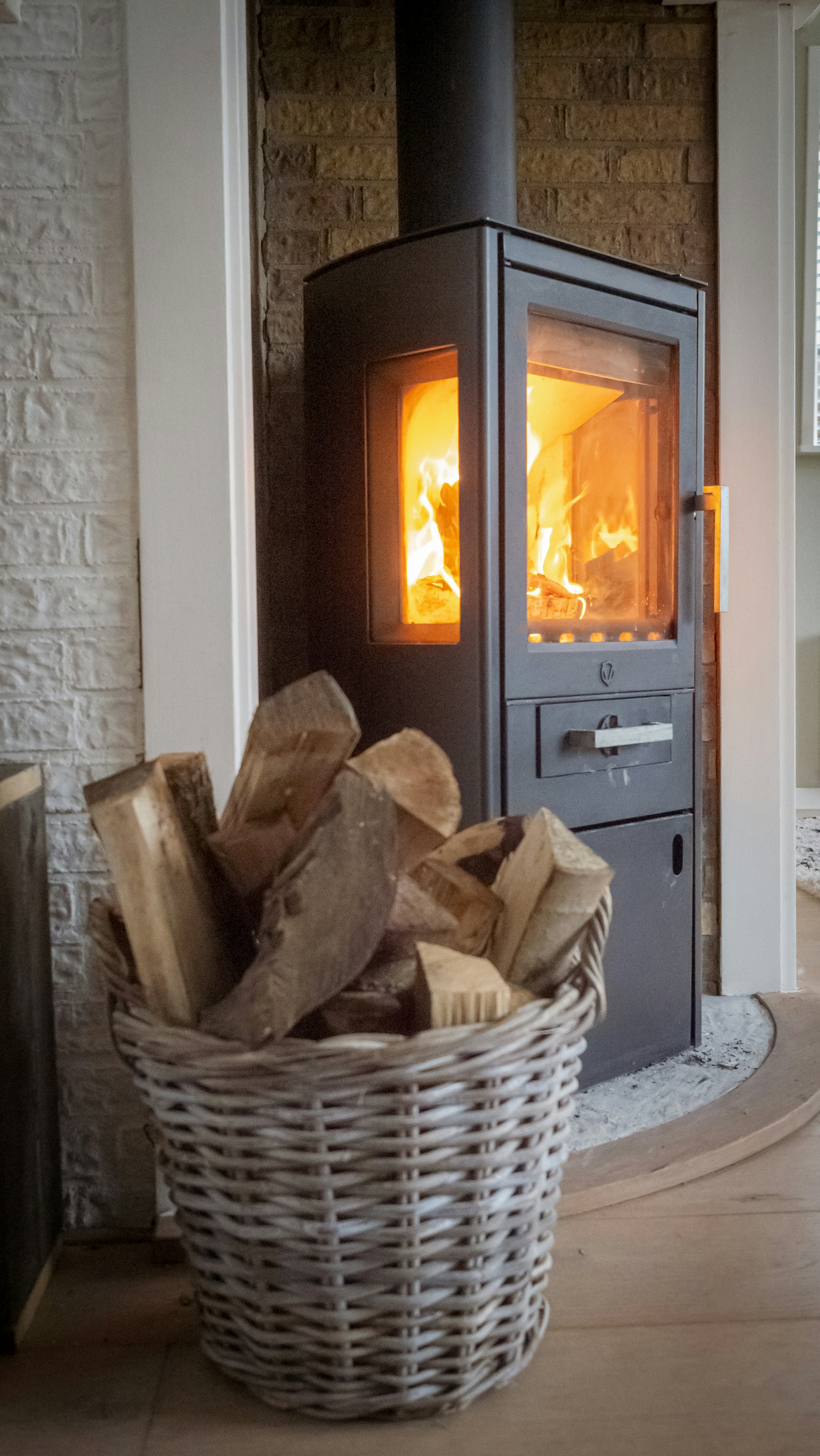
Buying a Home With a Wood Stove: Pros, Cons & Safety Tips for Nova Scotia Buyers

A wood stove can be one of the most appealing features of a Nova Scotia home.

For many buyers, especially those searching for rural properties, cottages, acreage, or older homes, a wood stove represents:

  • Warmth

  • Comfort

  • Lower heating costs

  • Energy independence

  • A cozy atmosphere during the winter months

But buying a home with a wood stove also comes with responsibilities.

Before purchasing a property with wood heat, buyers should understand how the stove works, what inspections are important, and what questions to ask before making an offer.

I'm Ryan Cook, REALTOR® with EXIT Realty Inter Lake, I help buyers throughout Nova Scotia’s South Shore, including Bridgewater, Lunenburg, Mahone Bay, Chester, Liverpool, and surrounding communities, understand the unique features of local homes—including heating systems, rural properties, and waterfront homes.


Why Are Wood Stoves Common in Nova Scotia?

Nova Scotia has a long history of using wood as a heating source.

Wood stoves are especially common in:

  • Rural homes

  • Country properties

  • Older homes

  • Cottages

  • Off-grid properties

  • Homes outside natural gas service areas

Many homeowners appreciate having an alternative heat source, especially during winter storms or power outages.

For buyers looking for a rural lifestyle, a wood stove may be considered a valuable feature.


The Benefits of Buying a Home With a Wood Stove

Additional Heat Source

One of the biggest advantages of a wood stove is having another source of heat.

A wood stove can provide:

  • Backup heat during outages

  • Supplemental warmth

  • Comfort during cold weather

This can be especially appealing in Nova Scotia winters.


Potential Heating Savings

Depending on the home, wood availability, and heating system, using a wood stove may help reduce reliance on other heating sources.

However, buyers should remember that wood heat is not free.

Costs may include:

  • Buying firewood

  • Cutting and splitting wood

  • Storage

  • Maintenance

  • Chimney cleaning


Cozy Atmosphere

Many homeowners love the feeling of a wood fire.

A wood stove can create:

  • A comfortable living space

  • A traditional home atmosphere

  • A gathering place for family and friends

For many buyers, this lifestyle benefit is a major reason they choose homes with wood heat.


The Responsibilities of Owning a Wood Stove

A wood stove is not a feature you can simply ignore after moving in.

Responsible ownership includes:

  • Regular cleaning

  • Proper wood storage

  • Safe operation

  • Chimney maintenance

  • Following manufacturer guidelines

Like any major home system, maintenance matters.


What Should Buyers Look For When Viewing a Home With a Wood Stove?

When considering a home with a wood stove, buyers should ask questions such as:

  • How old is the stove?

  • Who installed it?

  • Is there documentation?

  • When was the chimney last cleaned?

  • Has it been inspected?

  • Is it the home's primary heat source or supplemental heat?

Understanding the history of the system helps buyers make an informed decision.


Home Inspections and Wood Stoves

A home inspection is an important part of buying a property with a wood stove.

An inspector may review visible components such as:

  • Stove condition

  • Installation

  • Clearances

  • Chimney appearance

  • Surrounding materials

  • Signs of damage

However, buyers may also want additional information from qualified professionals when needed.

A home inspection is designed to help buyers understand the condition of the property before completing the purchase.


What Is a WETT Inspection?

Many buyers hear the term WETT inspection when purchasing a home with a wood stove.

WETT stands for Wood Energy Technology Transfer.

A WETT-trained professional can assess a wood-burning appliance and installation to determine whether it appears to meet safety standards.

A WETT inspection may be requested by:

  • Insurance companies

  • Buyers

  • Sellers

  • Lenders

Requirements can vary, so buyers should confirm what their insurance provider needs.


Insurance Considerations When Buying a Home With a Wood Stove

Insurance is an important consideration.

Before purchasing, buyers should ask their insurance provider:

  • Is the wood stove acceptable?

  • Are there inspection requirements?

  • Is documentation required?

  • Are there additional premiums or conditions?

Some insurers may require information about:

  • Installation

  • Age of the stove

  • Chimney condition

  • Maintenance history

Taking care of this early helps avoid surprises before closing.


Common Mistakes New Wood Stove Owners Make

Burning Unseasoned Wood

Wet wood creates more smoke and can contribute to buildup inside the chimney.

Properly seasoned firewood burns more efficiently.


Skipping Chimney Cleaning

Regular chimney maintenance is important for safe operation.


Improper Wood Storage

Firewood should be stored properly to allow airflow and protect it from excessive moisture.


Overloading the Stove

Using a stove correctly is important.

Always follow the manufacturer's instructions.


Buying a Rural Home With Wood Heat

Many rural homes on Nova Scotia’s South Shore combine several features:

  • Private well

  • Septic system

  • Wood stove

  • Larger property

  • Older construction

These homes can offer incredible lifestyle benefits, but buyers should understand the responsibilities that come with them.

A rural property is often about more than the house itself—it is about the systems that support the lifestyle.


Are Homes With Wood Stoves Harder to Sell?

Not necessarily.

Many buyers actively look for homes with wood stoves because they value:

  • Backup heat

  • Lower dependence on other energy sources

  • Rural lifestyle features

  • Cozy living spaces

The key is having a properly maintained and documented system.

A buyer who understands the stove and its history is much more comfortable moving forward.


Wood Stoves and Waterfront Properties

Many cottages and waterfront homes throughout Nova Scotia feature wood stoves.

For seasonal properties, a wood stove can be especially attractive because it provides:

  • Quick warmth after arriving

  • Backup heat

  • A traditional cottage experience

However, buyers should still consider:

  • Insurance requirements

  • Maintenance

  • Chimney condition

  • Overall property systems


How Ryan Cook, REALTOR® with EXIT Realty Inter Lake Helps Buyers Understand Unique Properties

Buying a home in Nova Scotia often means understanding features that may not be common everywhere.

A property may include:

  • Wood heat

  • Private well water

  • Septic system

  • Acreage

  • Waterfront access

As Ryan Cook, REALTOR® with EXIT Realty Inter Lake, I help buyers throughout Nova Scotia’s South Shore understand the complete picture of a property.

My goal is to help buyers ask the right questions, understand potential responsibilities, and feel confident about their purchase.


Frequently Asked Questions About Wood Stoves

Is a wood stove worth it in Nova Scotia?

For many homeowners, yes. A wood stove can provide warmth, comfort, and backup heat when properly installed and maintained.


Do I need a WETT inspection when buying a home?

It depends on the property, insurer, and situation. Some buyers and insurance providers request one.


Are wood stoves expensive to maintain?

Maintenance costs vary, but owners should budget for firewood, cleaning, and occasional servicing.


Can a wood stove be the only heat source?

Some homes are designed around wood heat, but buyers should understand the system and whether it meets their needs.


Should I avoid buying a home with a wood stove?

No. A wood stove is not automatically a concern. Like any home feature, buyers should understand its condition and maintenance requirements.


A wood stove can be a wonderful feature in a Nova Scotia home.

For many buyers on the South Shore, it represents comfort, independence, and the lifestyle they are looking for.

The important thing is understanding the responsibilities that come with owning one.

By asking the right questions, completing proper inspections, and learning about the home's heating system, buyers can make confident decisions.

If you are searching for a home in Bridgewater, Lunenburg, Mahone Bay, Chester, Liverpool, or surrounding South Shore communities, Ryan Cook, REALTOR® with EXIT Realty Inter Lake can help you understand not only the home itself, but everything that comes with owning it.


Read

New property listed in 108 + 110 Kingsburg Road in Rose Bay

I have listed a new property at 108 + 110 Kingsburg Road in Rose Bay. See details here

Located in beautiful Rose Bay on Nova Scotia’s South Shore, this versatile property sits on approximately 1/2 acre and offers a unique opportunity with two separate dwellings. This unique property features a two-bedroom, 2 bath main home and a two-bedroom, 1 bath 1960 mini home, providing options for extended family, guests, rental income, or additional living space. Both dwellings have their own well and share the septic system. Several outbuildings add valuable storage and workspace. Enjoy the peaceful coastal lifestyle of Rose Bay, with nearby beaches, hiking, and easy access to Lunenburg and the surrounding South Shore. A property with plenty of space, flexibility, and potential. Close to Hirtle’s Beach, Gaff Point, Sand Dollar Beach, Ovens Natural Park and historic Lunenburg.

Read

New property listed in 198 Spruce Drive in Barss Corner

I have listed a new property at 198 Spruce Drive in Barss Corner. See details here

Welcome to your private lakeside retreat at 198 Spruce Drive on beautiful Butler Lake, where every day feels like a getaway. Set on a quiet, peaceful stretch of water, this 3-bedroom, 2-bath home offers the perfect blend of comfort and year-round enjoyment. Enjoy morning coffee by the lake and unwind with stunning sunset views. Summer is perfect for swimming, boating, fishing, and kayaking, four wheeling and space and evenings around the fire. Inside, you’ll find a bright, inviting layout with plenty of natural light, a cozy wood stove, and the convenience of in-home laundry. Step outside to a large covered porch, perfect for relaxing on rainy days or taking in the lake views. The property also features two outdoor sheds, providing excellent storage for tools, toys, and seasonal equipment. In winter, snowmobiling, sledding, snowshoeing & skating on the frozen lake. Whether you’re looking for a full-time residence or a seasonal getaway, this property offers true lakefront living in every season.

Read

How to Buy and Sell a Home at the Same Time in Nova Scotia

For many homeowners, the next move is not as simple as selling one home and buying another.

You may need to:

  • Sell your current home

  • Find your next property

  • Coordinate closing dates

  • Arrange financing

  • Move your belongings

  • Avoid being left without a place to live

Trying to manage both transactions at once can feel complicated, but with the right planning and professional guidance, it can be done successfully.

Many homeowners on Nova Scotia's South Shore find themselves in this situation. Families may need more space, retirees may want to downsize, or people may be relocating within the region to find a different lifestyle.

As Ryan Cook, REALTOR® with EXIT Realty Inter Lake, I help buyers and sellers throughout Bridgewater, Lunenburg, Mahone Bay, Chester, Liverpool, and surrounding South Shore communities plan their moves strategically and understand their options.


Why Buying and Selling at the Same Time Can Be Challenging

A home purchase and home sale each have their own timeline.

The challenge is making them work together.

Some common concerns include:

  • "What if my home sells before I find another one?"

  • "What if I find the perfect home before mine sells?"

  • "How do I handle two mortgages?"

  • "How do I coordinate closing dates?"

  • "Where will I live if the timing doesn't line up?"

These are normal concerns, and there are strategies to help manage them.


The First Step: Understand Your Situation

Before deciding whether to buy first or sell first, it is important to understand your personal circumstances.

Questions to consider:

  • How much equity do you have in your current home?

  • How much can you afford for your next home?

  • Is your current home likely to sell quickly?

  • Are homes in your preferred area available?

  • Do you need to move by a certain date?

  • Are you comfortable with temporary housing if needed?

Every homeowner's situation is different.

The best plan depends on your finances, your goals, and the current market.


Option 1: Sell Your Home First

Selling first is often the option that provides the most financial certainty.

Benefits include:

  • Knowing exactly how much money you have available

  • Avoiding carrying two mortgages

  • Having stronger buying power

  • Reducing financial stress

Once your home sells, you can shop with confidence.

However, the challenge is timing.

You may need to:

  • Find a new home quickly

  • Negotiate a longer closing date

  • Arrange temporary housing


Option 2: Buy Your New Home First

Some homeowners prefer to find their next home before selling their current one.

Benefits include:

  • Avoiding the pressure to find a home quickly

  • Having more control over your move

  • Being able to move directly from one home to another

The challenge is financing.

You may need to consider:

  • Bridge financing

  • Carrying two mortgages temporarily

  • Having enough equity available

This option requires careful planning with your mortgage professional.


Option 3: Coordinate Both Transactions

Many homeowners aim to have both transactions line up closely.

This involves:

  1. Preparing your current home for sale.

  2. Searching for your next property.

  3. Accepting an offer on your current home.

  4. Purchasing your next home.

  5. Coordinating closing dates.

A skilled REALTOR® helps manage communication and timing between both transactions.


Understanding Bridge Financing

Bridge financing can sometimes help homeowners buy before their current home sells.

It is a short-term financing solution that uses the equity in your current home.

It may help cover the gap between:

  • Buying your next property

  • Selling your current property

Not everyone qualifies, so it is important to speak with your mortgage professional.

Your REALTOR® can help you understand when this option may be worth discussing.


Should You Make Your Purchase Offer Conditional on Selling Your Home?

Some buyers include a condition that their current home must sell before they complete the purchase.

This can protect the buyer, but it may make the offer less attractive to sellers.

In competitive situations, sellers may prefer offers without a sale-of-property condition.

Your REALTOR® can help you understand the advantages and disadvantages based on the current market.


Preparing Your Home Before You Sell

If you know you are likely to move, preparing early can make the process much easier.

Consider:

Decluttering

Removing excess belongings helps your home feel larger and more appealing.

Small Repairs

Address items such as:

  • Loose handles

  • Minor drywall repairs

  • Leaky faucets

  • Worn paint

  • Exterior maintenance

Improving First Impressions

Buyers notice:

  • Curb appeal

  • Cleanliness

  • Natural light

  • Overall condition

Small improvements can make a meaningful difference.


Finding Your Next Home on Nova Scotia's South Shore

The South Shore offers many different housing options.

Some homeowners move because they want:

  • More land

  • Less maintenance

  • Waterfront access

  • A quieter lifestyle

  • Better proximity to amenities

  • A smaller home

  • More space for family

Communities throughout the South Shore each offer something different.

A buyer moving from Bridgewater to a rural property may have different considerations than someone moving closer to Lunenburg or Mahone Bay.

Local knowledge matters when making these decisions.


Common Mistakes When Buying and Selling at the Same Time

Waiting Too Long to Prepare

Many homeowners wait until they find a home before preparing their current property.

Starting early gives you more options.


Not Understanding Your Budget

Before shopping, know:

  • Your current mortgage balance

  • Estimated selling costs

  • Available equity

  • Future mortgage payments


Becoming Too Emotionally Attached

It is easy to fall in love with a home before understanding whether the timing works financially.

A good REALTOR® helps you balance excitement with practical decision-making.


Underestimating the Timeline

Real estate transactions involve many moving parts.

Planning ahead reduces stress.


How Ryan Cook, REALTOR® with EXIT Realty Inter Lake Helps Coordinate Your Move

Buying and selling at the same time requires strategy.

As Ryan Cook, REALTOR® with EXIT Realty Inter Lake, I help South Shore homeowners create a plan that fits their goals.

That includes helping with:

  • Understanding your home's market value

  • Preparing your home for sale

  • Creating a marketing strategy

  • Searching for your next property

  • Negotiating offers

  • Coordinating timelines

  • Communicating with other professionals involved

The goal is to make the transition as smooth as possible.


Frequently Asked Questions

Is it better to buy or sell first?

There is no single answer. Selling first provides financial certainty, while buying first provides more control over your next home. The right choice depends on your situation.


Can I buy a home before selling my current home?

Yes, but you need to understand your financing options and whether carrying both properties temporarily is realistic.


How long should I wait between selling and buying?

Many homeowners try to coordinate closings closely, but your ideal timeline depends on your market and personal circumstances.


What if I sell my home and cannot find another one?

Options may include negotiating a longer closing date, temporary housing, or expanding your search area.


Can a REALTOR® help me coordinate both transactions?

Yes. Managing the timing between buying and selling is one of the most valuable services a REALTOR® provides.


Buying and selling a home at the same time can seem overwhelming, but careful planning can make the process much easier.

The key is understanding your options early, preparing your home before you need to sell, and working with professionals who understand the local market.

Whether you are upgrading, downsizing, relocating, or simply ready for a change, Ryan Cook, REALTOR® with EXIT Realty Inter Lake can help you navigate the process throughout Nova Scotia's South Shore.

A successful move is not just about buying or selling a house—it is about creating a plan that works for your life.

Read