.png)
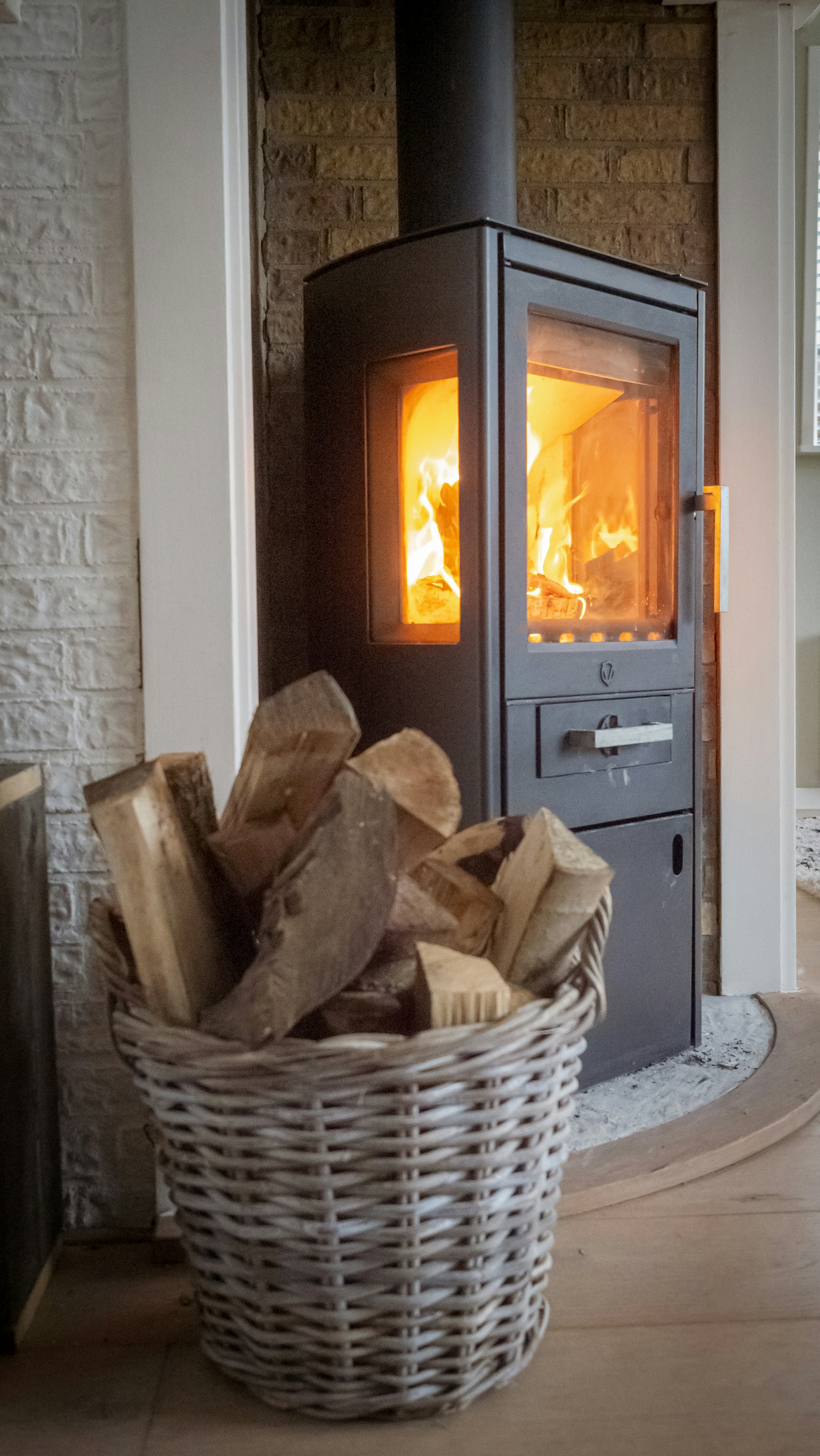
A wood stove can be one of the most appealing features of a Nova Scotia home.
For many buyers, especially those searching for rural properties, cottages, acreage, or older homes, a wood stove represents:
Warmth
Comfort
Lower heating costs
Energy independence
A cozy atmosphere during the winter months
But buying a home with a wood stove also comes with responsibilities.
Before purchasing a property with wood heat, buyers should understand how the stove works, what inspections are important, and what questions to ask before making an offer.
I'm Ryan Cook, REALTOR® with EXIT Realty Inter Lake, I help buyers throughout Nova Scotia’s South Shore, including Bridgewater, Lunenburg, Mahone Bay, Chester, Liverpool, and surrounding communities, understand the unique features of local homes—including heating systems, rural properties, and waterfront homes.
Why Are Wood Stoves Common in Nova Scotia?
Nova Scotia has a long history of using wood as a heating source.
Wood stoves are especially common in:
Rural homes
Country properties
Older homes
Cottages
Off-grid properties
Homes outside natural gas service areas
Many homeowners appreciate having an alternative heat source, especially during winter storms or power outages.
For buyers looking for a rural lifestyle, a wood stove may be considered a valuable feature.
The Benefits of Buying a Home With a Wood Stove
Additional Heat Source
One of the biggest advantages of a wood stove is having another source of heat.
A wood stove can provide:
Backup heat during outages
Supplemental warmth
Comfort during cold weather
This can be especially appealing in Nova Scotia winters.
Potential Heating Savings
Depending on the home, wood availability, and heating system, using a wood stove may help reduce reliance on other heating sources.
However, buyers should remember that wood heat is not free.
Costs may include:
Buying firewood
Cutting and splitting wood
Storage
Maintenance
Chimney cleaning
Cozy Atmosphere
Many homeowners love the feeling of a wood fire.
A wood stove can create:
A comfortable living space
A traditional home atmosphere
A gathering place for family and friends
For many buyers, this lifestyle benefit is a major reason they choose homes with wood heat.
The Responsibilities of Owning a Wood Stove
A wood stove is not a feature you can simply ignore after moving in.
Responsible ownership includes:
Regular cleaning
Proper wood storage
Safe operation
Chimney maintenance
Following manufacturer guidelines
Like any major home system, maintenance matters.
What Should Buyers Look For When Viewing a Home With a Wood Stove?
When considering a home with a wood stove, buyers should ask questions such as:
How old is the stove?
Who installed it?
Is there documentation?
When was the chimney last cleaned?
Has it been inspected?
Is it the home's primary heat source or supplemental heat?
Understanding the history of the system helps buyers make an informed decision.
Home Inspections and Wood Stoves
A home inspection is an important part of buying a property with a wood stove.
An inspector may review visible components such as:
Stove condition
Installation
Clearances
Chimney appearance
Surrounding materials
Signs of damage
However, buyers may also want additional information from qualified professionals when needed.
A home inspection is designed to help buyers understand the condition of the property before completing the purchase.
What Is a WETT Inspection?
Many buyers hear the term WETT inspection when purchasing a home with a wood stove.
WETT stands for Wood Energy Technology Transfer.
A WETT-trained professional can assess a wood-burning appliance and installation to determine whether it appears to meet safety standards.
A WETT inspection may be requested by:
Insurance companies
Buyers
Sellers
Lenders
Requirements can vary, so buyers should confirm what their insurance provider needs.
Insurance Considerations When Buying a Home With a Wood Stove
Insurance is an important consideration.
Before purchasing, buyers should ask their insurance provider:
Is the wood stove acceptable?
Are there inspection requirements?
Is documentation required?
Are there additional premiums or conditions?
Some insurers may require information about:
Installation
Age of the stove
Chimney condition
Maintenance history
Taking care of this early helps avoid surprises before closing.
Common Mistakes New Wood Stove Owners Make
Burning Unseasoned Wood
Wet wood creates more smoke and can contribute to buildup inside the chimney.
Properly seasoned firewood burns more efficiently.
Skipping Chimney Cleaning
Regular chimney maintenance is important for safe operation.
Improper Wood Storage
Firewood should be stored properly to allow airflow and protect it from excessive moisture.
Overloading the Stove
Using a stove correctly is important.
Always follow the manufacturer's instructions.
Buying a Rural Home With Wood Heat
Many rural homes on Nova Scotia’s South Shore combine several features:
Private well
Septic system
Wood stove
Larger property
Older construction
These homes can offer incredible lifestyle benefits, but buyers should understand the responsibilities that come with them.
A rural property is often about more than the house itself—it is about the systems that support the lifestyle.
Are Homes With Wood Stoves Harder to Sell?
Not necessarily.
Many buyers actively look for homes with wood stoves because they value:
Backup heat
Lower dependence on other energy sources
Rural lifestyle features
Cozy living spaces
The key is having a properly maintained and documented system.
A buyer who understands the stove and its history is much more comfortable moving forward.
Wood Stoves and Waterfront Properties
Many cottages and waterfront homes throughout Nova Scotia feature wood stoves.
For seasonal properties, a wood stove can be especially attractive because it provides:
Quick warmth after arriving
Backup heat
A traditional cottage experience
However, buyers should still consider:
Insurance requirements
Maintenance
Chimney condition
Overall property systems
How Ryan Cook, REALTOR® with EXIT Realty Inter Lake Helps Buyers Understand Unique Properties
Buying a home in Nova Scotia often means understanding features that may not be common everywhere.
A property may include:
Wood heat
Private well water
Septic system
Acreage
Waterfront access
As Ryan Cook, REALTOR® with EXIT Realty Inter Lake, I help buyers throughout Nova Scotia’s South Shore understand the complete picture of a property.
My goal is to help buyers ask the right questions, understand potential responsibilities, and feel confident about their purchase.
Frequently Asked Questions About Wood Stoves
Is a wood stove worth it in Nova Scotia?
For many homeowners, yes. A wood stove can provide warmth, comfort, and backup heat when properly installed and maintained.
Do I need a WETT inspection when buying a home?
It depends on the property, insurer, and situation. Some buyers and insurance providers request one.
Are wood stoves expensive to maintain?
Maintenance costs vary, but owners should budget for firewood, cleaning, and occasional servicing.
Can a wood stove be the only heat source?
Some homes are designed around wood heat, but buyers should understand the system and whether it meets their needs.
Should I avoid buying a home with a wood stove?
No. A wood stove is not automatically a concern. Like any home feature, buyers should understand its condition and maintenance requirements.
A wood stove can be a wonderful feature in a Nova Scotia home.
For many buyers on the South Shore, it represents comfort, independence, and the lifestyle they are looking for.
The important thing is understanding the responsibilities that come with owning one.
By asking the right questions, completing proper inspections, and learning about the home's heating system, buyers can make confident decisions.
If you are searching for a home in Bridgewater, Lunenburg, Mahone Bay, Chester, Liverpool, or surrounding South Shore communities, Ryan Cook, REALTOR® with EXIT Realty Inter Lake can help you understand not only the home itself, but everything that comes with owning it.

.png)