RSS

I have sold a property at 42 Montague Row in Digby

I have sold a property at 42 Montague Row in Digby on Aug 25, 2026. See details here

Harbourfront Bungalow in the Heart of Digby Wake up to breathtaking, panoramic views of the Digby harbour in this spacious bungalow, perfectly situated in the quaint and vibrant port town of Digby. This thoughtfully designed 4 bedroom, 1.5 bathroom home offers space, convenience and coastal beauty and is patiently waiting for the loving modern touches of its new family. Step inside to a welcoming living area featuring a cozy fireplace, perfect for relaxing evenings overlooking the water. The bright sunroom floods the home with natural light and provides an ideal spot to enjoy your morning coffee while watching the tides roll in. A large rec room offers flexible space for entertainment, hobbies, or family gatherings, while the attached garage adds convenience and additional storage. The home is also fully equipped to operate on a whole home generator, ensuring comfort and peace of mind year-round. Whether you're seeking a serene retreat or a scenic family home, this harbourfront bungalow delivers the best of coastal living; space, beauty, and unmatched views, all within walking distance of Digby’s charming shops, restaurants, and waterfront attractions.

Read

Closing Costs Explained: A Complete Guide for Home Buyers in Nova Scotia

When buying a home, many buyers focus on one number:

The purchase price.

While the price of the home is the largest expense, it is not the only cost involved in becoming a homeowner.

Before you receive the keys, there are several additional expenses that need to be planned for. These are commonly known as closing costs.

Understanding closing costs before you start shopping can help you create a realistic budget, avoid surprises, and feel more confident when making an offer.

As Ryan Cook, REALTOR® with EXIT Realty Inter Lake, I help buyers throughout Nova Scotia's South Shore, including Bridgewater, Lunenburg, Mahone Bay, Chester, Liverpool, and surrounding communities understand the full cost of buying a home—not just the listing price.


What Are Closing Costs?

Closing costs are the additional expenses associated with completing a real estate purchase.

They are paid in addition to your down payment and mortgage financing.

Closing costs can include:

  • Legal fees

  • Land registration fees

  • Deed transfer tax

  • Property adjustments

  • Home inspection fees

  • Appraisal fees

  • Insurance costs

  • Moving expenses

  • Utility setup costs

The exact amount varies depending on:

  • Purchase price

  • Location

  • Type of property

  • Mortgage requirements

  • Whether you are a first-time buyer

  • Services you choose


How Much Should Buyers Budget for Closing Costs in Nova Scotia?

A common guideline is to budget approximately 1.5%–4% of the purchase price for closing costs.

For example:

Example: $400,000 Home Purchase

A buyer purchasing a $400,000 home may need to budget for:

  • Down payment

  • Legal costs

  • Land registration fees

  • Deed transfer tax

  • Inspection

  • Adjustments

  • Other expenses

The exact amount depends on the details of the transaction, but planning for additional costs is important.

Your mortgage professional, lawyer, and REALTOR® can help you understand what applies to your situation.


Legal Fees and Disbursements

A lawyer is required to complete a real estate transaction in Nova Scotia.

Your lawyer handles important tasks such as:

  • Reviewing purchase documents

  • Searching title records

  • Registering ownership

  • Transferring funds

  • Completing mortgage paperwork

Legal costs usually include:

  • Professional fees

  • Title search fees

  • Registration fees

  • Other administrative expenses

It is a good idea to discuss estimated legal costs early so they are included in your budget.


Deed Transfer Tax in Nova Scotia

One cost buyers should be aware of is the deed transfer tax.

This is a tax charged when ownership of a property changes.

The amount varies depending on the municipality where the property is located.

Because Nova Scotia has many different municipalities, the exact amount depends on where you are purchasing.

For buyers on the South Shore, this may vary between communities such as:

  • Bridgewater

  • Lunenburg

  • Mahone Bay

  • Chester

  • Liverpool

  • Surrounding rural areas

Your lawyer will calculate the exact amount for your purchase.


Land Registration Fees

When you purchase a home, the ownership change must be officially registered.

Land registration fees cover the cost of recording:

  • The deed

  • Mortgage documents

  • Ownership information

These fees are another reason buyers should budget beyond the purchase price.


Home Inspection Costs

A home inspection is one of the most valuable expenses during the buying process.

While it is an additional cost, it can provide important information about the condition of the property.

A home inspection may identify concerns involving:

  • Roof

  • Foundation

  • Electrical systems

  • Plumbing

  • Heating

  • Moisture

  • Septic systems

  • Wells

This is especially important in Nova Scotia, where many properties have unique features such as private wells, septic systems, wood stoves, and older construction.

A small inspection expense can provide valuable peace of mind before making one of the largest purchases of your life.


Appraisal Fees

Some lenders require an appraisal before approving financing.

An appraisal helps confirm the market value of the property.

It can help lenders determine whether:

  • The purchase price is reasonable

  • The property supports the requested mortgage amount

Whether the buyer pays for the appraisal depends on the lender and mortgage arrangement.


Property Insurance

Before closing, buyers typically need home insurance arranged.

Insurance protects your property against unexpected events such as:

  • Fire

  • Weather damage

  • Theft

  • Other covered risks

Insurance requirements may vary depending on the property.

For example, homes with:

  • Older electrical systems

  • Wood stoves

  • Oil tanks

  • Rural locations

may require additional discussion with an insurance provider.


Property Tax Adjustments

Property taxes are often adjusted between the buyer and seller at closing.

If the seller has already paid property taxes beyond the closing date, the buyer may reimburse the seller for their portion.

If taxes have not yet been paid, the adjustment may work differently.

Your lawyer handles these calculations so both parties pay their appropriate share.


Utility and Service Setup Costs

Moving into a new home often involves smaller setup expenses.

These may include:

  • Electricity account setup

  • Internet installation

  • Water service setup

  • Moving costs

  • Storage

  • New locks

  • Basic repairs or supplies

These expenses are easy to overlook but can add up quickly.


First-Time Home Buyers: Costs to Plan For

First-time buyers often focus heavily on saving their down payment, but preparing for closing costs is equally important.

A good budget includes:

  • Down payment

  • Closing costs

  • Moving expenses

  • Emergency savings

  • Initial home maintenance

Owning a home comes with ongoing responsibilities, and having financial breathing room makes the transition much easier.


Rural and Waterfront Property Costs to Consider

Buying on Nova Scotia's South Shore often means considering properties that are different from typical city homes.

Additional considerations may include:

Septic Systems

Buyers may want to understand:

  • System type

  • Maintenance history

  • Replacement costs

Private Wells

Important questions include:

  • Water quality

  • Well production

  • Testing history

Waterfront Properties

Buyers may need to consider:

  • Shoreline maintenance

  • Insurance requirements

  • Access

  • Docks and structures

These details are part of why working with a REALTOR® familiar with the local market is valuable.


How Ryan Cook, REALTOR® with EXIT Realty Inter Lake Helps Buyers Prepare

Buying a home is about more than finding a property you love.

It is about understanding the full financial picture.

As Ryan Cook, REALTOR® with EXIT Realty Inter Lake, I help buyers throughout Nova Scotia's South Shore prepare for the complete buying process.

That includes helping clients understand:

  • The steps involved in purchasing

  • Questions to ask before making an offer

  • Local market conditions

  • Property features that may affect ownership costs

  • Professionals needed throughout the transaction

My goal is to help buyers feel prepared, informed, and confident from the first conversation through closing day.


Frequently Asked Questions About Closing Costs in Nova Scotia

Are closing costs included in my mortgage?

Usually, buyers need to have funds available separately from their mortgage. Some buyers may have options depending on their lender and financial situation.


Can I negotiate closing costs?

Some costs are fixed, while others may be negotiable depending on the situation. Your REALTOR® can help explain what options may be available.


How much money should I save before buying a home?

You should plan for your down payment plus closing costs and additional savings for moving and homeownership expenses.


Do first-time buyers pay closing costs?

Yes. First-time buyers still have closing costs, although there may be programs or rebates available depending on eligibility.


When are closing costs paid?

Most closing costs are paid on closing day through your lawyer as part of completing the transaction.


Buying a home is an exciting milestone, but being prepared financially makes the experience much smoother.

Understanding closing costs helps you avoid surprises and ensures you are ready when the right property comes along.

Whether you are buying your first home, relocating to Nova Scotia, or searching for a property on the South Shore, having the right information and professional guidance can make all the difference.

If you are planning to buy a home in Nova Scotia, Ryan Cook, REALTOR® with EXIT Realty Inter Lake is here to help you understand the process, prepare properly, and make confident decisions.

Read

July Market Update-SOUTH SHORE & ANNAPOLIS VALLEY

The latest residential market data for July shows continued activity across both the South Shore and Annapolis Valley, with each region following a slightly different path. While buyer demand remains steady, pricing trends varied between markets, highlighting the importance of understanding local conditions when buying or selling.

South Shore, Nova Scotia

• Average Residential Price: $450,855 

• Year-over-Year Price Change: -4.3%

• Residential Sales: 101 units

The South Shore market remained active through July, with buyers continuing to show interest in the region's coastal and lifestyle properties. While sales activity remained steady, the average residential price softened compared to this time last year, reflecting a more balanced market and a shift in the mix of homes sold.

Despite the year-over-year price adjustment, well-priced and well-presented homes continue to attract attention. As the summer market progresses, buyers are taking a more measured approach, creating an environment where thoughtful pricing and strong presentation are key to achieving successful results.

Annapolis Valley, Nova Scotia

• Average Residential Price: $412,233

• Year-over-Year Price Change: 9.4%

• Residential Sales: 169 units

The Annapolis Valley market remained active throughout July, with steady buyer demand supporting both sales activity and home values across the region. While sales eased slightly from June, the market continued to demonstrate resilience as summer progressed.

Average residential prices increased 9.4% compared to the same time last year, reflecting continued confidence in the Valley market. Buyers remain engaged, while sellers with well-priced and well-presented homes continue to benefit from strong interest despite the seasonal pace beginning to moderate.

What This Means for You

July highlights the importance of looking beyond provincial headlines and focusing on local market trends. The South Shore has shifted toward more balanced conditions, while the Annapolis Valley continues to experience healthy price growth supported by steady buyer demand.

For buyers, both regions offer opportunities, with a more balanced market providing additional time to make informed decisions.

For sellers, strategic pricing and strong presentation remain essential. Homes that are well-prepared and accurately priced continue to stand out and generate the strongest interest.

If you're thinking about buying, selling, or simply want to understand what these trends mean for your property's value, I'd be happy to provide a personalized market update tailored to your goals.

Source: Canadian MLS® Systems, CREA

Read

I have sold a property at 118 Levi Hebb Road in Wileville

I have sold a property at 118 Levi Hebb Road in Wileville on Sep 16, 2026. See details here

Charming 3 Bed, 2.5 Bath Home on 2 Acres with Separate 1 Bed Apartment. Set on beautifully landscaped grounds, this charming home offers comfort, privacy, and natural beauty. A separate 1-bedroom apartment adds exceptional flexibility ideal for guests, extended family, rental income, or a private home office. Currently tenant-occupied, offering the opportunity for immediate income potential. Inside, bright and inviting living spaces are complemented by a functional layout, making this home ideal for families or multi-generational living. Outdoor living is a true highlight, featuring mature trees, lush gardens, a cozy gazebo, a spacious yard, multiple storage sheds, and a detached garage for added convenience. Conveniently located just minutes from local amenities, this property perfectly balances peaceful country living with everyday convenience.

Read

I have sold a property at 18 Churchill Street in Bridgewater

I have sold a property at 18 Churchill Street in Bridgewater on Aug 11, 2026. See details here

Opportunity knocks in central Bridgewater This well-maintained duplex is in excellent condition and perfectly situated within walking distance to shops, schools, and everyday conveniences. Bright and inviting throughout, the property also offers great outdoor space to enjoy. With a 3 bedroom upper unit and a 1 bedroom lower unit, and both becoming vacant June 1st, it’s a fresh slate: bring in new tenants, adjust rents to current market value, or move into one unit and have the other offset your mortgage. Whether you’re investing or getting into the market, this is a flexible and rewarding opportunity.

Read

New property listed in 405-Lunenburg County, South Shore

I have listed a new property at 2317 Highway 325 in Oakhill. See details here

Great investment opportunity in Oakhill, a short drive to Bridgewater! This duplex features a tenant-occupied 2-bedroom unit providing immediate rental income, while the vacant 3-bedroom unit is ready for you to set your own market rent or move in yourself. Tenants pay their own utilities, making this an attractive addition to any investment portfolio. Serviced by a drilled well and septic system, this property offers flexibility for investors and owner-occupants alike. Conveniently located close to shopping, schools, restaurants, and all the amenities of Bridgewater.

Read

Buying a Home With a Septic System: What You Need to Know in Nova Scotia

Buying a Home With a Septic System: What You Need to Know

For many home buyers, the idea of purchasing a property with a septic system is unfamiliar.

If you have always lived in a home connected to municipal sewer services, the thought of owning a septic system may bring up questions:

  • How does a septic system work?

  • How much maintenance does it require?

  • What happens if something goes wrong?

  • Should I have it inspected before buying?

  • Is a home with septic harder to sell?

The good news is that a properly designed and maintained septic system can provide reliable service for many years. In fact, septic systems are extremely common throughout Nova Scotia, especially in rural areas, waterfront communities, and properties outside municipal sewer boundaries.

For buyers searching on Nova Scotia’s South Shore, understanding septic systems is an important part of making a confident purchase decision.

As Ryan Cook, REALTOR® with EXIT Realty Inter Lake, I help buyers throughout Bridgewater, Lunenburg, Mahone Bay, Chester, Liverpool, and surrounding communities understand the unique considerations that come with South Shore properties—including wells, septic systems, rural homes, and waterfront properties.


What Is a Septic System?

A septic system is a private wastewater treatment system used when a property is not connected to a municipal sewer system.

Instead of wastewater leaving your home through public sewer pipes, it flows into a septic tank located on your property.

A typical septic system includes:

  1. House plumbing

  2. Septic tank

  3. Distribution system

  4. Leaching field (drain field)

The system separates solids and liquids, allowing wastewater to be naturally treated before returning safely to the ground.


Why Are Septic Systems Common in Nova Scotia?

Many areas of Nova Scotia have rural properties, larger lots, cottages, and homes outside municipal service areas.

On the South Shore, septic systems are common because many communities include:

  • Rural homes

  • Waterfront properties

  • Country lots

  • Acreage properties

  • Older homes

  • Seasonal cottages

A property with a septic system is not automatically a negative.

For many buyers, it is part of the lifestyle they are looking for.

A larger lot, privacy, and peaceful surroundings often come with private systems.


What Should Buyers Know Before Purchasing a Home With Septic?

A septic system is like any other major component of a home, it needs to be understood and maintained.

Before purchasing, buyers should learn:

  • What type of septic system it is

  • How old the system is

  • When it was installed

  • When it was last serviced

  • Where the tank and field are located

  • Whether there are any known issues

A REALTOR® can help you ask the right questions and understand what information is available.


Types of Septic Systems in Nova Scotia

Not every septic system is the same.

Common types include:

Conventional Septic Systems

These are the traditional systems many buyers are familiar with.

They typically include:

  • A septic tank

  • Distribution pipes

  • A gravel-based drainage field


Advanced Treatment Systems

Some properties require more advanced systems due to:

  • Soil conditions

  • Lot size

  • Environmental requirements

  • Location

These systems may require additional maintenance and monitoring.


Older Septic Systems

Many older homes throughout Nova Scotia have septic systems that have been working for decades.

The age of a system does not automatically mean it needs replacement.

The important questions are:

  • Has it been maintained?

  • Is it functioning properly?

  • Has it been inspected?


Should You Get a Septic Inspection Before Buying?

A standard home inspection may identify visible concerns, but buyers should consider additional septic evaluation.

A septic inspection can provide more detailed information about:

  • Tank condition

  • System function

  • Drainage

  • Potential concerns

  • Maintenance history

For rural and waterfront properties, this extra due diligence can be extremely valuable.

A septic system replacement can be a significant expense, so understanding the condition before buying helps avoid surprises.


Questions to Ask About a Septic System

Before purchasing a home with septic, consider asking:

When Was the Septic System Installed?

Knowing the age helps you understand the expected lifespan and maintenance history.


When Was the Tank Last Pumped?

Regular pumping is an important part of septic maintenance.


Has the System Had Any Problems?

Ask about:

  • Backups

  • Slow drainage

  • Odours

  • Repairs

  • Previous failures


Where Is the Septic Field Located?

Knowing the location is useful for:

  • Landscaping

  • Future projects

  • Maintenance

  • Understanding the property layout


Common Signs of Septic Problems

Buyers should be aware of warning signs.

Potential concerns include:

Slow Drains

Slow drainage throughout the home may indicate a plumbing or septic issue.


Unpleasant Odours

Strong sewage smells can indicate a problem that needs attention.


Wet Areas Near the Septic Field

Standing water or unusually wet areas may require investigation.


Sewage Backup

Any sewage backup should be taken seriously and professionally assessed.


Septic System Maintenance

A septic system works best when properly maintained.

Typical maintenance includes:

  • Regular pumping

  • Protecting the drain field

  • Avoiding harmful chemicals

  • Conserving water

  • Keeping heavy vehicles away from the field

Homeowners should understand that a septic system is not something you ignore—it is a system that requires responsible ownership.


What Should You Avoid Doing With a Septic System?

Many problems come from improper use.

Avoid:

  • Driving vehicles over the septic field

  • Building structures over the field

  • Planting large trees near the system

  • Flushing inappropriate items

  • Overloading the system with excessive water

Small habits can make a big difference.


Buying Waterfront Property With Septic

Many waterfront homes on Nova Scotia’s South Shore use septic systems.

These properties require additional consideration because of:

  • Lot conditions

  • Environmental regulations

  • Shoreline location

  • Seasonal use

A beautiful waterfront view is only one part of the purchase decision.

Understanding the property’s systems helps ensure the home fits your long-term plans.


Are Homes With Septic Systems Harder to Sell?

Not necessarily.

Many buyers actively look for:

  • Rural homes

  • Waterfront properties

  • Larger lots

  • Privacy

  • Country living

A well-maintained septic system can be a normal and expected feature of these properties.

The key is proper maintenance and providing buyers with confidence about the system.


How Ryan Cook, REALTOR® with EXIT Realty Inter Lake Helps Buyers Understand Rural Properties

Buying a home in Nova Scotia often involves more than simply comparing kitchens and bedrooms.

Important systems like:

  • Septic

  • Wells

  • Heating

  • Electrical

  • Foundations

can have a major impact on ownership.

As Ryan Cook, REALTOR® with EXIT Realty Inter Lake, I help buyers throughout Nova Scotia’s South Shore understand what makes each property unique.

Whether you are looking for a rural home, waterfront property, cottage, or country acreage, having local guidance helps you ask better questions and make informed decisions.


Frequently Asked Questions About Septic Systems

How long does a septic system last?

The lifespan depends on the type of system, installation quality, soil conditions, and maintenance. Proper care can significantly extend the life of a septic system.


Is a septic system a deal breaker when buying a home?

No. Many excellent homes in Nova Scotia use septic systems. Buyers simply need to understand the system and its condition.


How often should a septic tank be pumped?

The timing depends on household size, usage, and system type. Regular maintenance recommendations should be followed.


Can I build on top of a septic field?

Generally, septic fields need to remain accessible and protected. Always confirm before planning additions or structures.


Should I avoid buying an older home with septic?

Not necessarily. Many older homes have reliable septic systems. The important factor is condition, maintenance, and inspection.


Buying a home with a septic system is common throughout Nova Scotia, especially on the South Shore.

With proper understanding, inspection, and maintenance, septic systems can provide reliable service for many years.

The key is knowing what questions to ask before purchasing and working with professionals who understand local properties.

If you are searching for a home in Bridgewater, Lunenburg, Mahone Bay, Chester, Liverpool, or surrounding South Shore communities, Ryan Cook, REALTOR® with EXIT Realty Inter Lake can help you understand the property from every angle—not just what you see during a showing.

A great home is more than what is inside the walls. It is also the systems that support your everyday life.

Read

How Long Does It Take to Buy a Home in Nova Scotia? A Step-by-Step Guide for Buyers

How Long Does It Take to Buy a Home in Nova Scotia?

One of the first questions many home buyers ask is:

"How long does it take to buy a house in Nova Scotia?"

The answer depends on your situation, but for many buyers, the process can take anywhere from a few weeks to several months.

Some buyers find the right home quickly and complete the purchase within 30–60 days. Others spend several months searching, especially if they have specific requirements such as waterfront, acreage, a rural property, a certain school district, or a specific community on Nova Scotia's South Shore.

Understanding the timeline helps you plan your move, prepare financially, and avoid surprises along the way.

As Ryan Cook, REALTOR® with EXIT Realty Inter Lake, I help buyers throughout Nova Scotia's South Shore, including Bridgewater, Lunenburg, Mahone Bay, Chester, Liverpool, and surrounding communities. My role is to help clients understand each step of the process and make confident decisions when buying a home.


The Short Answer: How Long Does It Usually Take?

A typical home purchase timeline looks something like this:

Before shopping:
1–8 weeks

  • Determine your budget

  • Meet with a mortgage professional

  • Get pre-approved

  • Choose a REALTOR®

Finding a home:
1 week to several months

  • Search properties

  • Attend showings

  • Compare options

  • Make an offer

After an accepted offer:
30–90 days (commonly)

  • Complete conditions

  • Arrange financing

  • Conduct inspections

  • Prepare for closing

Every purchase is different, but understanding these stages makes the process much easier.


Step 1: Preparing to Buy a Home (1–8 Weeks)

Before you start viewing homes, preparation is important.

Many buyers begin by asking:

  • How much home can I afford?

  • What communities fit my lifestyle?

  • How much money do I need saved?

  • What are the costs involved?

This preparation stage can happen quickly, or it can take several months depending on your circumstances.


Getting Mortgage Pre-Approval

One of the first steps should be speaking with a mortgage professional.

A pre-approval helps you understand:

  • Your purchase price range

  • Estimated monthly payments

  • Interest rate options

  • Required down payment

  • Potential closing costs

A pre-approval also helps you move quickly when you find the right property.

In competitive situations, sellers often prefer offers from buyers who are already financially prepared.


Choosing a REALTOR® in Nova Scotia

Finding the right REALTOR® is another important early step.

A REALTOR® can help you:

  • Understand the local market

  • Find suitable properties

  • Arrange showings

  • Write offers

  • Negotiate terms

  • Navigate the closing process

For buyers relocating to Nova Scotia, this step is especially valuable.

Someone moving from another province may not know the differences between communities, rural properties, wells, septic systems, waterfront considerations, or local services.

A local REALTOR® provides insight that goes beyond what you can see in an online listing.


Step 2: Searching for Your Home (1 Week to Several Months)

This is the stage where timelines vary the most.

Some buyers find their home immediately.

Others search for months waiting for the right property.

Your timeline may depend on:

  • Budget

  • Location

  • Market conditions

  • Property type

  • Must-have features


Buying on Nova Scotia's South Shore

The South Shore offers many different lifestyles.

A buyer looking for convenience may prefer Bridgewater, while someone looking for historic charm may consider Lunenburg or Mahone Bay.

Others may be searching for:

  • Waterfront property

  • Acreage

  • A hobby farm

  • A retirement home

  • A seasonal cottage

  • A quiet rural location

Because each community has different characteristics, the search process is often about finding the right fit, not just the right house.


What Can Make the Home Search Take Longer?

Some buyers need more time because they have very specific requirements.

Examples include:

  • Oceanfront property

  • Large acreage

  • Specific neighbourhood

  • Updated home only

  • Older character home

  • Accessibility features

  • Specific budget requirements

A good REALTOR® helps buyers balance their wish list with current market availability.


Step 3: Making an Offer (1–3 Days)

Once you find the right home, your REALTOR® helps you prepare an offer.

The offer may include:

  • Purchase price

  • Deposit amount

  • Closing date

  • Conditions

  • Included items

  • Other terms

Your REALTOR® will help you understand the market, comparable properties, and negotiation strategy.

A strong offer is not always just about price. Terms can also matter.


Step 4: The Conditional Period (Usually 7–14 Days)

Many offers include conditions designed to protect the buyer.

Common conditions include:

Financing Condition

This gives buyers time to finalize mortgage approval.


Home Inspection Condition

A professional inspection helps identify:

  • Maintenance concerns

  • Safety issues

  • Repairs

  • Potential problems


Insurance Approval

Some properties may require additional review from insurance providers, especially homes with:

  • Older electrical systems

  • Wood stoves

  • Older heating systems

  • Unique construction


Additional Due Diligence

Depending on the property, buyers may investigate:

  • Well water

  • Septic systems

  • Property boundaries

  • Permits

  • Shoreline considerations

This is especially important for many rural and waterfront properties throughout Nova Scotia.


Step 5: Preparing for Closing (30–90 Days)

Once conditions are removed, the purchase moves toward closing.

During this time, buyers usually:

  • Finalize mortgage paperwork

  • Arrange insurance

  • Meet with their lawyer

  • Transfer funds

  • Prepare for moving day

Your REALTOR® continues helping coordinate communication between everyone involved.


What Happens on Closing Day?

Closing day is when ownership officially transfers.

Your lawyer handles:

  • Document signing

  • Funds transfer

  • Title registration

  • Final legal requirements

Once everything is complete, you receive your keys and officially become the homeowner.


Common Things That Can Delay a Home Purchase

While many purchases move smoothly, some situations can add time.

Financing Delays

Examples:

  • Changes in employment

  • Missing documentation

  • Appraisal concerns


Inspection Concerns

Sometimes inspections uncover issues that require:

  • Additional evaluations

  • Negotiations

  • Repairs


Legal or Documentation Issues

Examples:

  • Title concerns

  • Missing paperwork

  • Property boundary questions


Selling Your Current Home

Many buyers need to sell before purchasing.

This can add complexity, especially when coordinating closing dates.


How Long Does It Take to Buy a Home If You Are Moving to Nova Scotia?

Relocation buyers often need extra time because they are learning a new area.

They may need to research:

  • Communities

  • Schools

  • Healthcare

  • Employment opportunities

  • Cost of living

  • Lifestyle differences

Working with a REALTOR® who knows the area can shorten the learning curve.

As Ryan Cook, REALTOR® with EXIT Realty Inter Lake, I regularly help buyers understand what life is like throughout Nova Scotia's South Shore and which communities may fit their goals.


Tips to Make the Buying Process Faster

Get Pre-Approved Early

Knowing your budget allows you to act quickly.

Know Your Priorities

Separate your must-haves from your nice-to-haves.

Work With a Local REALTOR®

Local knowledge saves time and helps you avoid properties that may not fit your needs.

Be Prepared

Have your documents ready and understand your financial position.


Frequently Asked Questions

How quickly can you buy a house in Nova Scotia?

If you are prepared and find the right property, a purchase can sometimes happen within a month. Many buyers take longer depending on availability and their needs.


How long after making an offer do you close?

Many purchases close within 30–60 days after an accepted offer, but timelines can vary.


Can I buy a home before moving to Nova Scotia?

Yes. Many buyers purchase remotely with the help of a local REALTOR® who can provide market knowledge, video tours, and guidance.


How long should I search before buying?

There is no set timeline. Some buyers find the right home immediately, while others wait months for the right opportunity.


Do I need a REALTOR® to buy a home in Nova Scotia?

You are not legally required to use a REALTOR®, but many buyers choose professional representation to help with negotiations, paperwork, market information, and the overall process.


Buying a home in Nova Scotia is an exciting process, but understanding the timeline helps make the experience much smoother.

From getting pre-approved to finding the right property, completing inspections, and receiving your keys, each step plays an important role.

Whether you are buying your first home, relocating to the South Shore, searching for waterfront property, or looking for a place to retire, having experienced local guidance can make all the difference.

Ryan Cook, REALTOR® with EXIT Realty Inter Lake, helps buyers throughout Nova Scotia's South Shore make informed decisions and find homes that fit their lifestyle.

When you're ready to start your search, having the right REALTOR® beside you can help turn the process from overwhelming into a clear, organized journey.

Read

New property listed in 405-Lunenburg County, South Shore

I have listed a new property at Lot PID#60466794 Highway 332 in Riverport. See details here

Escape to the peaceful riverside community of Riverport with this beautiful 10-acre property offering stunning views of the river and a picturesque natural setting. Whether you're dreaming of building your custom home, creating a private country retreat, or enjoying the land for recreation, this property offers exceptional potential. Surrounded by nature and the tranquility of the river, you'll enjoy the perfect balance of privacy and scenic beauty while still being within easy reach of nearby amenities. A rare opportunity to own a generous parcel in one of Riverport's most serene settings.

Read

Should You Rent or Buy in Nova Scotia? A Complete Guide for Home Buyers

Should you rent or buy a home in Nova Scotia?Deciding whether to rent or buy a home is one of the biggest financial and lifestyle decisions many people face.

For some people, renting provides flexibility and fewer responsibilities. For others, buying a home creates long-term stability, builds equity, and provides a place they can truly make their own.

The right choice depends on your goals, finances, lifestyle, and plans for the future.

For people considering a move to Nova Scotia, the decision can be even more complicated. Many newcomers are comparing housing costs, communities, employment opportunities, and quality of life before deciding whether they are ready to purchase.

As Ryan Cook, REALTOR® with EXIT Realty Inter Lake, I help buyers throughout Nova Scotia's South Shore, including Bridgewater, Lunenburg, Mahone Bay, Chester, Liverpool, and surrounding communities understand their options and make informed real estate decisions.


The Short Answer: Is It Better to Rent or Buy?

There is no universal answer.

Buying may be the right choice if you:

  • Plan to stay in the area for several years

  • Want to build equity

  • Prefer stability

  • Are financially prepared

  • Want control over your living space

Renting may make more sense if you:

  • Are unsure where you want to live

  • Need flexibility

  • Are still learning the area

  • Are saving for a down payment

  • Have short-term plans

The best decision depends on your personal situation.


The Benefits of Renting in Nova Scotia

Renting offers several advantages.

Flexibility

Renting allows you to move more easily.

This can be helpful if you:

  • Recently moved to Nova Scotia

  • Are exploring different communities

  • Are changing jobs

  • Are unsure where you want to settle

For someone relocating to the South Shore, renting for a period of time can allow you to experience different communities before purchasing.


Fewer Maintenance Responsibilities

When you rent, major repairs are typically the landlord's responsibility.

You usually don't have to worry about:

  • Roof repairs

  • Furnace replacement

  • Plumbing issues

  • Exterior maintenance

This can make budgeting simpler.


Lower Upfront Costs

Buying a home requires significant upfront expenses.

Renting usually requires:

  • Security deposit

  • First month's rent

  • Moving expenses

Buying requires:

  • Down payment

  • Closing costs

  • Legal fees

  • Inspections

  • Moving expenses


The Downsides of Renting

While renting has advantages, there are also disadvantages.

You Are Not Building Equity

When you pay rent, you are paying for housing, but you are not building ownership.

A homeowner's mortgage payments contribute toward owning an asset.


Less Control Over Your Home

Renters may have restrictions around:

  • Renovations

  • Pets

  • Landscaping

  • Changes to the property

Homeownership provides much more freedom.


Rent Can Increase

Rental prices can change over time.

Homeowners with a fixed mortgage may have more predictable long-term housing costs.


The Benefits of Buying a Home in Nova Scotia

Homeownership offers several long-term advantages.

Building Equity

Every mortgage payment can help increase your ownership stake in your home.

Over time, your home may become one of your largest financial assets.


Stability

Owning a home provides a sense of permanence.

You can:

  • Stay as long as you want

  • Make improvements

  • Create your ideal space

  • Plan for the future


Freedom to Make Changes

Homeowners can personalize their property.

You may choose to:

  • Paint

  • Renovate

  • Landscape

  • Add features

  • Make improvements

Your home becomes your own.


Buying on Nova Scotia's South Shore

The South Shore attracts buyers for many reasons:

  • Coastal lifestyle

  • Natural beauty

  • Smaller communities

  • Outdoor recreation

  • Historic towns

  • Slower pace of life

Communities such as Bridgewater, Lunenburg, Mahone Bay, Chester, and Liverpool each offer different experiences.

Some buyers want:

  • Walkable downtown living

  • Waterfront property

  • Rural acreage

  • Retirement options

  • A family-friendly community

Understanding where you want to live is just as important as understanding what you can afford.


Financial Factors to Consider Before Buying

Buying a home is a long-term commitment.

Before purchasing, consider:

Down Payment

Your down payment affects:

  • Mortgage amount

  • Monthly payments

  • Mortgage insurance requirements


Closing Costs

Buyers need to budget for additional costs such as:

  • Legal fees

  • Land registration fees

  • Deed transfer tax

  • Inspections

  • Adjustments


Ongoing Homeownership Costs

Owning a home includes more than a mortgage payment.

Plan for:

  • Property taxes

  • Insurance

  • Utilities

  • Maintenance

  • Repairs


The Hidden Costs of Renting

Renting also has expenses beyond monthly rent.

These may include:

  • Rent increases

  • Moving costs

  • Application fees

  • Storage

  • Utility costs

Over many years, these expenses can add up.


Questions to Ask Before Buying a Home

Before making the decision to buy, ask yourself:

How Long Do I Plan to Stay?

Buying usually makes more sense if you plan to stay several years.


Is My Income Stable?

A consistent income helps make homeownership more manageable.


Am I Ready for Maintenance Responsibilities?

Homeownership means being responsible for repairs and upkeep.


Do I Know Where I Want to Live?

Especially for people moving to Nova Scotia, understanding communities is important.

Spend time exploring:

  • Towns

  • Amenities

  • Commute times

  • Schools

  • Services

  • Lifestyle


Should You Rent First When Moving to Nova Scotia?

For many newcomers, renting first can be a smart strategy.

It gives you time to:

  • Learn the area

  • Understand the market

  • Visit communities

  • Decide where you want to settle

However, waiting too long can also have drawbacks if home prices or availability change.

A local REALTOR® can help you understand the market while you explore your options.


How Ryan Cook, REALTOR® with EXIT Realty Inter Lake Helps Buyers Decide

Buying a home is not always the immediate answer for everyone.

A good REALTOR® should help you understand your options, not pressure you into making a decision before you are ready.

I’m Ryan Cook, REALTOR® with EXIT Realty Inter Lake, I help clients throughout Nova Scotia's South Shore understand:

  • Local communities

  • Current market conditions

  • Home values

  • Buying timelines

  • What properties fit their goals

Whether you are ready to buy now or simply exploring your options, having reliable local information helps you make better decisions.


Renting vs Buying: Quick Comparison

RentingBuying
More flexibilityMore stability
Lower upfront costsHigher upfront costs
Less maintenance responsibilityMore control
No equity buildingBuilds ownership
Easier to moveLong-term investment

Frequently Asked Questions

Is buying a home cheaper than renting in Nova Scotia?

It depends on the property, location, mortgage rates, and individual circumstances. Monthly costs are only one part of the decision.


How long should I live somewhere before buying?

Many experts suggest buying makes more sense when you plan to stay several years, but the right timeline depends on your situation.


Can I buy a home in Nova Scotia as a newcomer?

Yes. Many people relocate to Nova Scotia and purchase homes. Preparation, financing, and local guidance are important.


Should I rent before buying in Nova Scotia?

Some buyers choose to rent temporarily while learning the area. Others purchase immediately after researching their preferred community.


What is the first step if I want to buy?

A good first step is understanding your budget, speaking with a mortgage professional, and connecting with a local REALTOR®.

The decision to rent or buy is personal. There is no single answer that works for everyone.

Renting can provide flexibility and simplicity, while buying can provide stability, equity, and the freedom to create a home of your own.

For those considering Nova Scotia's South Shore, taking the time to understand communities and the local real estate market is an important part of making the right choice.

Whether you are ready to buy today or simply exploring your options, Ryan Cook, REALTOR® with EXIT Realty Inter Lake can help you understand the market and make informed decisions.

A home purchase is not just about buying a property, it is about choosing the place where you want to build your future.

Read

What Is a Home Inspection Looking For? A Complete Nova Scotia Buyer's Guide

Buying a home is one of the biggest financial decisions most people will make. While a property may look perfect during a showing, a professional home inspection can reveal important details that aren't always obvious at first glance.

A home inspection is designed to provide buyers with a better understanding of the property's condition before they finalize their purchase. It can help identify potential repairs, safety concerns, maintenance needs, and areas that may require further investigation.

For buyers on Nova Scotia's South Shore, inspections can be especially valuable because many homes have unique features that are common in the area, including:

  • Older homes with character and history

  • Rural properties

  • Private wells

  • Septic systems

  • Wood stoves

  • Waterfront properties

  • Seasonal cottages

  • Older electrical and heating systems

I’m Ryan Cook, REALTOR® with EXIT Realty Inter Lake, I help buyers throughout Bridgewater, Lunenburg, Mahone Bay, Chester, Liverpool, and surrounding South Shore communities understand the home buying process. A home inspection is one of the most important steps because it helps buyers move forward with confidence and make informed decisions.


What Is the Purpose of a Home Inspection?

A home inspection is a detailed visual examination of a property's major systems and components.

The goal is not to "pass" or "fail" a home.

Instead, the inspection helps answer questions such as:

  • What condition is the home currently in?

  • Are there safety concerns?

  • Are there major repairs needed?

  • What maintenance should the buyer expect?

  • Are there issues that may affect value or insurance?

A good home inspector provides information. They don't decide whether you should buy the home.

That decision remains yours, but having accurate information allows you to make that decision with confidence.


What Does a Home Inspector Typically Check?

A professional home inspection usually covers many areas of the property, including:

  • Exterior

  • Roof

  • Foundation

  • Structure

  • Attic

  • Insulation

  • Electrical systems

  • Plumbing

  • Heating and cooling systems

  • Interior rooms

  • Windows and doors

  • Basement or crawl spaces

  • Garage

  • Safety features

The exact inspection process can vary depending on the inspector, property type, and age of the home.


Exterior Inspection

The outside of a home is the first line of protection against weather.

Inspectors typically look at:

Roof Condition

The roof is one of the biggest components of a home and one of the most expensive to replace.

An inspector may look for:

  • Missing or damaged shingles

  • Signs of leaks

  • Poor flashing

  • Improper drainage

  • Roof age

  • Visible wear

A roof nearing the end of its lifespan doesn't necessarily mean you shouldn't buy a home, but it is important information to understand.


Siding and Exterior Materials

Inspectors look for:

  • Damage

  • Rot

  • Missing materials

  • Poor maintenance

  • Water penetration concerns

Older homes in Nova Scotia may have a mix of materials depending on when they were built and renovations completed over the years.


Drainage Around the Home

Water management is one of the most important parts of protecting a property.

Inspectors may look at:

  • Grading around the foundation

  • Gutters

  • Downspouts

  • Water flow away from the home

Poor drainage can contribute to basement moisture, foundation issues, and costly repairs.


Foundation and Basement Inspection

Basements and foundations are especially important in Nova Scotia because many homes experience significant moisture challenges due to weather conditions and seasonal changes.

Inspectors look for:

  • Cracks

  • Water stains

  • Moisture

  • Efflorescence

  • Settlement concerns

  • Structural issues

Not every crack is a major problem.

Some foundation cracks are common, while others may require additional evaluation.

A qualified inspector can help identify the difference.


Electrical Systems

Electrical issues are one of the most important areas an inspector reviews because safety is a major concern.

They may examine:

  • Electrical panel

  • Wiring

  • Outlets

  • Switches

  • Grounding

  • GFCI protection

  • Visible electrical concerns

Older homes may have electrical systems that have been updated over time, while others may require improvements.

This is especially important when buying older homes throughout communities like Lunenburg County, where many properties have decades of history.


Plumbing Systems

A home inspector typically reviews visible plumbing components, including:

  • Pipes

  • Fixtures

  • Water pressure

  • Drainage

  • Hot water systems

  • Signs of leaks

They may also identify:

  • Older plumbing materials

  • Corrosion

  • Leaks

  • Potential maintenance concerns


Heating Systems in Nova Scotia Homes

Heating is an important consideration for any Nova Scotia buyer.

A home inspection may include reviewing:

  • Furnace condition

  • Heat pumps

  • Boilers

  • Oil tanks

  • Wood stoves

  • Chimneys

  • Venting

Different heating systems have different maintenance requirements and costs.

For example:

  • Heat pumps can provide efficient heating and cooling.

  • Oil systems require regular maintenance and tank considerations.

  • Wood stoves require proper installation and chimney maintenance.

Understanding the heating system before buying helps you plan for ownership costs.

Septic Systems: An Important Consideration for home Buyers

Many homes throughout Nova Scotia, especially rural properties and waterfront homes, use private septic systems instead of municipal sewer services.

A home inspection may include a visual review of the septic system, but buyers should understand that a standard home inspection is not the same as a full septic inspection.

Inspectors may look for:

  • Location of the septic tank (if visible)

  • Signs of drainage issues

  • Odours

  • Wet areas near the septic field

  • Access points

  • General condition

Buyers may also want additional information, such as:

  • When the tank was last pumped

  • Records of maintenance

  • Age of the system

  • Type of septic system

  • Location of the field

  • Any known issues

A properly maintained septic system can work very well for many years. However, replacing a septic system can be expensive, so understanding the condition before purchasing is important.

If you're looking at rural properties around Bridgewater, Lunenburg County, or the South Shore, septic knowledge is a valuable part of the buying process.


Private Wells: What Buyers Need to Know

Many South Shore homes rely on private wells for their water supply.

A home inspector may review visible components of the water system, but buyers should consider additional testing.

Important questions include:

  • How deep is the well?

  • What type of well is it?

  • Has water testing been completed?

  • How much water does the well produce?

  • Has the system had previous issues?

Water testing can help identify concerns such as:

  • Bacteria

  • Minerals

  • Iron

  • Hardness

  • Other water quality concerns

A beautiful rural home is only as enjoyable as the systems that support it. Understanding the well system before purchasing helps buyers feel confident about their investment.


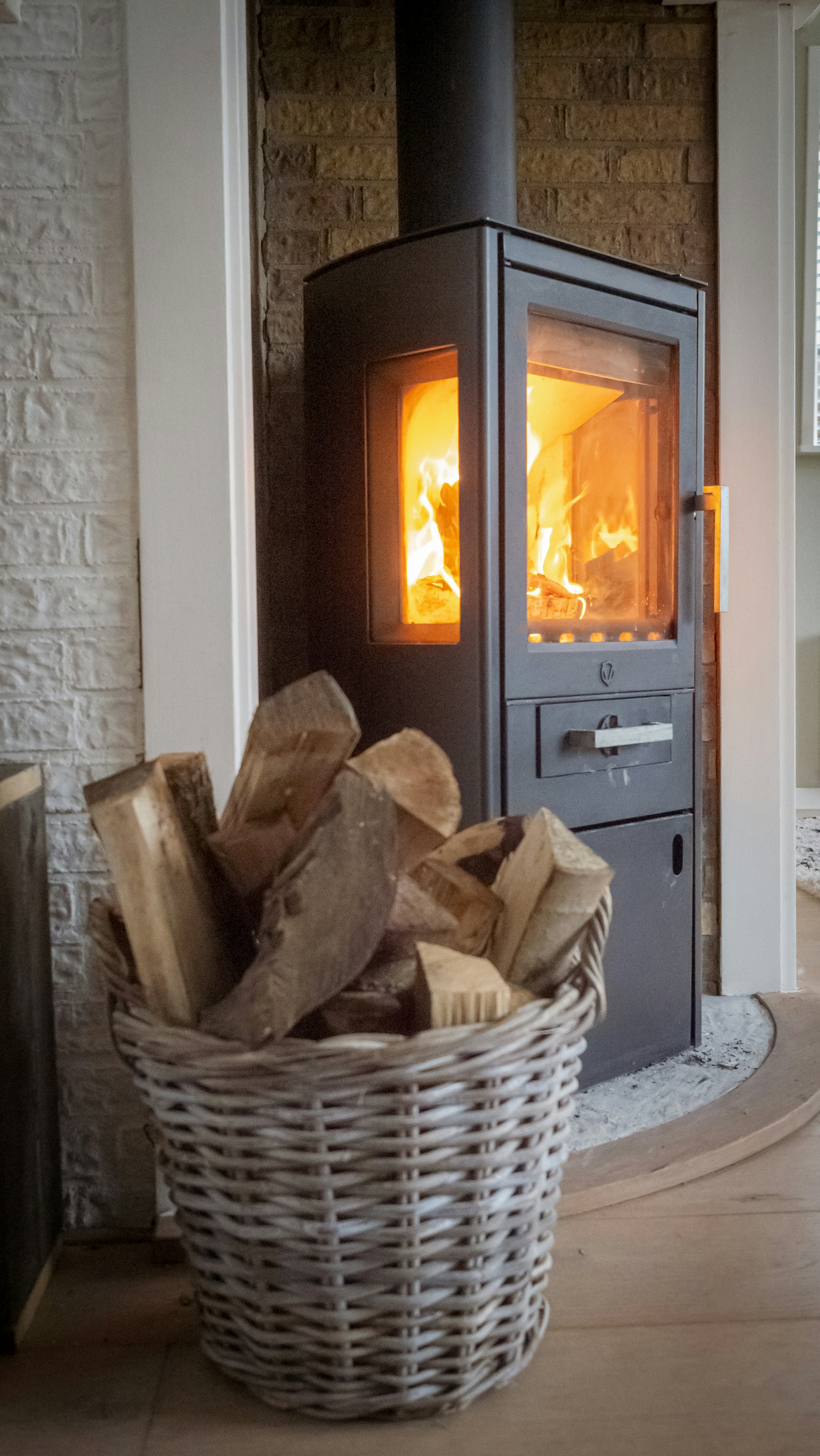
Wood Stoves and Fireplaces

Many Nova Scotia homes feature wood stoves or fireplaces, especially rural properties and cottages.

They can be a wonderful feature, providing:

  • Additional heat

  • Lower heating costs

  • A cozy atmosphere

  • Backup heat during outages

However, they also require proper maintenance and safety considerations.

An inspector may look at:

  • Stove installation

  • Visible condition

  • Chimney condition

  • Clearances

  • Venting

  • Signs of previous problems

Buyers should also confirm:

  • Whether permits were obtained

  • When the chimney was last cleaned

  • Whether insurance requirements are satisfied

A wood stove can be a great asset, but it needs to be properly installed and maintained.


Waterfront Property Inspections

Nova Scotia's South Shore is known for beautiful waterfront homes, cottages, and recreational properties.

These homes can offer incredible lifestyle opportunities, but they may also have unique considerations.

A waterfront inspection may involve looking at:

  • Shoreline conditions

  • Drainage

  • Moisture concerns

  • Seasonal access

  • Foundation exposure

  • Decks and docks

  • Environmental factors

Buyers should also consider:

  • Flood risk

  • Insurance requirements

  • Shoreline regulations

  • Future maintenance

A waterfront home is about more than the view. Understanding the entire property helps buyers enjoy it for years to come.


Common Issues Found During Home Inspections in Nova Scotia

Every home is different, but some issues appear more often than others.

Common inspection findings include:

Moisture Issues

Nova Scotia's climate means moisture management is extremely important.

Inspectors often check for:

  • Basement moisture

  • Poor drainage

  • Leaks

  • Condensation

  • Ventilation issues


Older Electrical Systems

Many older homes have had upgrades over the years, but some may still require improvements.

Potential concerns include:

  • Outdated panels

  • Ungrounded outlets

  • Older wiring

  • Insufficient electrical capacity


Deferred Maintenance

Sometimes the biggest inspection findings are not major failures but years of postponed maintenance.

Examples:

  • Aging roofs

  • Worn decks

  • Old windows

  • Exterior repairs

  • Aging appliances

A home that has been cared for usually shows it.


Should Buyers Attend the Home Inspection?

Whenever possible, attending the inspection is a great idea.

It allows buyers to:

  • Ask questions directly

  • Learn about the home's systems

  • Understand maintenance requirements

  • See issues firsthand

The inspection report is important, but walking through the home with the inspector often provides valuable context.

Your REALTOR® can also help you understand which items are normal maintenance and which may require further attention.


What Happens After a Home Inspection?

After the inspection, buyers typically review the findings and decide how to proceed.

Possible next steps include:

Moving Forward

If the inspection does not reveal significant concerns, buyers may feel comfortable continuing toward closing.


Requesting Repairs or Adjustments

Depending on the purchase agreement, buyers may be able to negotiate based on inspection findings.

This could involve:

  • Asking for repairs

  • Requesting a price adjustment

  • Negotiating other terms


Further Investigation

Sometimes an inspector identifies something that requires a specialist.

Examples:

  • Electrical evaluation

  • Septic inspection

  • Structural assessment

  • Chimney inspection

  • Water testing


Choosing Not to Proceed

In some situations, inspection results may reveal issues that change the buyer's decision.

That is exactly why inspections are valuable.

They provide information before a buyer becomes fully committed.


How Ryan Cook, REALTOR® with EXIT Realty Inter Lake Helps Buyers Through the Inspection Process

A home inspection is an important step, but buyers don't have to navigate it alone.

I’m Ryan Cook, REALTOR® with EXIT Realty Inter Lake, I help buyers throughout Nova Scotia's South Shore understand what inspection findings mean and how they may affect a purchase decision.

My role is to help clients:

  • Find the right property

  • Ask the right questions

  • Understand potential concerns

  • Negotiate when needed

  • Make confident decisions

Buying a home is about more than finding a property you love. It's about understanding the investment you're making.

Whether you're looking for a home in Bridgewater, Lunenburg, Mahone Bay, Chester, Liverpool, or surrounding South Shore communities, having local guidance can make the process much easier.


Frequently Asked Questions About Home Inspections

Is a home inspection required when buying a home in Nova Scotia?

A home inspection is not legally required, but many buyers choose to have one because it provides valuable information before completing a purchase.


How much does a home inspection cost in Nova Scotia?

The cost varies depending on the size, age, and location of the property. Buyers should consider it an investment in understanding one of their largest purchases.


Can a home fail an inspection?

No. A home inspection is not a pass-or-fail test. It identifies the condition of the property and any concerns buyers should understand.


Do new homes need inspections?

Many buyers choose to have new homes inspected because construction issues can still occur. An inspection provides an additional layer of information.


Should I skip an inspection if the home looks perfect?

A home can look excellent while still having hidden issues. An inspection provides a professional review of important systems and components.


A home inspection is one of the most valuable steps in the buying process. It helps you understand the condition of the property, plan for future maintenance, and make decisions with confidence.

For buyers on Nova Scotia's South Shore, inspections are especially important because many homes include unique features such as private wells, septic systems, wood stoves, waterfront considerations, and older construction.

A knowledgeable REALTOR® can help you understand the process, connect you with trusted professionals, and guide you through the decisions that come after the inspection.

If you're buying a home in Nova Scotia's South Shore and want local guidance, Ryan Cook, REALTOR® with EXIT Realty Inter Lake is here to help you every step of the way.

Read

What Does a REALTOR® Actually Do? A Complete Guide for Home Buyers and Sellers in Nova Scotia

If you've ever thought about buying or selling a home, you've probably asked yourself, "What does a REALTOR® actually do?"

Many people assume a REALTOR® simply unlocks doors for showings or puts a "For Sale" sign on a lawn. While those are small parts of the job, they barely scratch the surface.

A professional REALTOR® works behind the scenes to guide clients through one of the biggest financial decisions they'll ever make. From pricing homes accurately to negotiating offers, managing paperwork, coordinating inspections, and solving unexpected problems, a REALTOR® helps make the buying or selling process smoother and less stressful.

Whether you're purchasing your first home, upgrading to a larger property, downsizing, or relocating to Nova Scotia, understanding what a REALTOR® does can help you make informed decisions.

As Ryan Cook, REALTOR® with EXIT Realty Inter Lake, I work with buyers and sellers throughout Nova Scotia's South Shore, including Bridgewater, Lunenburg, Mahone Bay, Chester, Liverpool, and surrounding communities. Every client and every property is unique, but my goal is always the same: to provide honest advice, local knowledge, and professional guidance from start to finish.


What Is a REALTOR®?

Many people use the terms "real estate agent" and "REALTOR®" interchangeably, but they're not exactly the same.

A REALTOR® is a licensed real estate professional who is also a member of the Canadian Real Estate Association (CREA) and follows a strict Code of Ethics. That means clients can expect professionalism, integrity, honesty, and accountability throughout the buying or selling process.

Working with a REALTOR® means you're partnering with someone who has the training, resources, and experience to help protect your interests.


Helping Buyers Find the Right Home

One of the biggest roles a REALTOR® plays is helping buyers find a home that truly fits their needs.

That goes far beyond simply sending listings.

A REALTOR® takes time to understand your goals, including:

  • Budget

  • Preferred communities

  • Commute

  • Schools

  • Lifestyle

  • Waterfront or rural preferences

  • Future plans

On Nova Scotia's South Shore, every community offers something different. Someone looking for a walkable historic town may love Lunenburg, while another buyer may prefer the quieter pace of Mahone Bay or the convenience of Bridgewater.

Helping buyers understand those differences is part of the value a local REALTOR® provides.


Explaining the Buying Process

Buying a home involves many steps, especially for first-time buyers.

Your REALTOR® helps explain:

  • Getting pre-approved for a mortgage

  • Viewing homes

  • Writing an offer

  • Conditions

  • Deposits

  • Home inspections

  • Financing

  • Closing costs

  • Possession day

Knowing what comes next helps reduce stress and prevents costly surprises.


Finding Problems Before They Become Expensive

Experienced REALTORS® notice details buyers may overlook.

Examples include:

  • Signs of moisture

  • Drainage issues

  • Roof condition

  • Foundation concerns

  • Electrical updates

  • Heating systems

  • Septic and well considerations

  • Property boundaries

While a REALTOR® isn't a home inspector, they can point out areas worth investigating further before you commit to purchasing.


Negotiating on Your Behalf

Negotiation is one of the most valuable services a REALTOR® provides.

It's not always about getting the lowest or highest price.

Strong negotiations may include:

  • Repairs

  • Closing dates

  • Appliances

  • Conditions

  • Deposit amounts

  • Inclusions

  • Exclusions

Having someone who negotiates regularly can help you avoid emotional decisions and focus on what's best for your long-term goals.


Helping Sellers Price Their Home

Pricing is one of the biggest factors affecting how quickly a home sells.

If a property is priced too high, buyers may ignore it.

If it's priced too low, sellers may leave money on the table.

A REALTOR® researches:

  • Comparable sales

  • Current listings

  • Local market trends

  • Seasonal demand

  • Property condition

  • Location

  • Recent improvements

The goal is to position your home competitively while maximizing its value.


Marketing Your Home

Today's home buyers begin their search online.

Professional marketing is much more than putting a listing on a website.

A comprehensive marketing strategy may include:

  • Professional photography

  • Drone images

  • Floor plans

  • Virtual tours

  • Social media

  • Flyers

  • Online advertising

  • Local exposure

  • REALTOR® network promotion

The more qualified buyers who see your property, the better your chances of receiving strong offers.


Managing Showings

Scheduling showings can become complicated.

A REALTOR® coordinates appointments, communicates with buyers' agents, gathers feedback, and keeps the process organized.

This allows sellers to focus on preparing their home instead of managing logistics.


Handling Offers

Receiving an offer is exciting, but it's only the beginning.

A REALTOR® reviews every detail, including:

  • Purchase price

  • Deposit

  • Conditions

  • Closing date

  • Financing

  • Inspection clauses

  • Inclusions

  • Exclusions

Sometimes the highest offer isn't the strongest offer.

Understanding the complete picture helps sellers make informed decisions.


Coordinating the Entire Transaction

There are many professionals involved in buying or selling a home.

Your REALTOR® often works with:

  • Mortgage brokers

  • Lawyers

  • Home inspectors

  • Appraisers

  • Insurance companies

  • Contractors

  • Surveyors

Keeping everyone informed helps prevent delays and keeps the transaction moving smoothly.


Solving Problems

Real estate transactions don't always go exactly as planned.

Financing can change.

Inspections may uncover unexpected repairs.

Closing dates sometimes need adjustment.

An experienced REALTOR® helps find solutions while keeping the transaction on track whenever possible.


Local Knowledge Matters

Buying real estate on Nova Scotia's South Shore is different from buying in larger cities.

Local knowledge can make a significant difference.

A REALTOR® familiar with the area can explain:

  • Waterfront regulations

  • Septic systems

  • Wells

  • Flood considerations

  • Rural roads

  • Internet availability

  • School districts

  • Local services

Those are important details that don't always appear in a property listing.


Why Work with Ryan Cook, REALTOR® with EXIT Realty Inter Lake?

Real estate is about more than buying and selling houses.

It's about helping people make confident decisions.

As Ryan Cook, REALTOR® with EXIT Realty Inter Lake, I proudly help buyers and sellers across Nova Scotia's South Shore. Whether you're searching for your first home, looking for waterfront property, relocating to the area, or preparing to sell, my goal is to provide straightforward advice, responsive communication, and local expertise throughout the entire process.

Every client deserves honest guidance and personalized service, and I'm committed to making your real estate experience as smooth as possible.


Frequently Asked Questions

Do I need a REALTOR® to buy a home?

No, but having professional representation can help you understand the process, negotiate effectively, and avoid common mistakes.

Do sellers pay the buyer's REALTOR®?

In many residential transactions, commission arrangements are handled through the listing agreement. Ask your REALTOR® how compensation works for your specific situation.

Can a REALTOR® help with new construction?

Yes. A REALTOR® can help review builder contracts, explain timelines, and represent your interests throughout the purchase.

Can a REALTOR® recommend home inspectors, lawyers, or mortgage brokers?

Yes. REALTORS® often have trusted local professionals they can recommend, giving you a strong team to support your purchase or sale.

Why should I choose a local REALTOR®?

A local REALTOR® understands neighbourhoods, market trends, schools, amenities, and the unique features of the area. That knowledge can help you make better-informed decisions.


A REALTOR® does much more than show homes or list properties. From pricing and marketing to negotiations, paperwork, problem-solving, and local advice, a REALTOR® is there to help guide you through every stage of the real estate journey.

If you're thinking about buying or selling on Nova Scotia's South Shore, having an experienced local professional on your side can make the process easier and less stressful.

If you have questions about the local market or you're ready to start your next move, I'd be happy to help. Contact Ryan Cook, REALTOR® with EXIT Realty Inter Lake to discuss your goals and discover how local knowledge and personalized service can make all the difference.

Read