.png)
Buying a home is one of the biggest financial decisions most people will make. While a property may look perfect during a showing, a professional home inspection can reveal important details that aren't always obvious at first glance.
A home inspection is designed to provide buyers with a better understanding of the property's condition before they finalize their purchase. It can help identify potential repairs, safety concerns, maintenance needs, and areas that may require further investigation.
For buyers on Nova Scotia's South Shore, inspections can be especially valuable because many homes have unique features that are common in the area, including:
Older homes with character and history
Rural properties
Private wells
Septic systems
Wood stoves
Waterfront properties
Seasonal cottages
Older electrical and heating systems
I’m Ryan Cook, REALTOR® with EXIT Realty Inter Lake, I help buyers throughout Bridgewater, Lunenburg, Mahone Bay, Chester, Liverpool, and surrounding South Shore communities understand the home buying process. A home inspection is one of the most important steps because it helps buyers move forward with confidence and make informed decisions.
What Is the Purpose of a Home Inspection?
A home inspection is a detailed visual examination of a property's major systems and components.
The goal is not to "pass" or "fail" a home.
Instead, the inspection helps answer questions such as:
What condition is the home currently in?
Are there safety concerns?
Are there major repairs needed?
What maintenance should the buyer expect?
Are there issues that may affect value or insurance?
A good home inspector provides information. They don't decide whether you should buy the home.
That decision remains yours, but having accurate information allows you to make that decision with confidence.
What Does a Home Inspector Typically Check?
A professional home inspection usually covers many areas of the property, including:
Exterior
Roof
Foundation
Structure
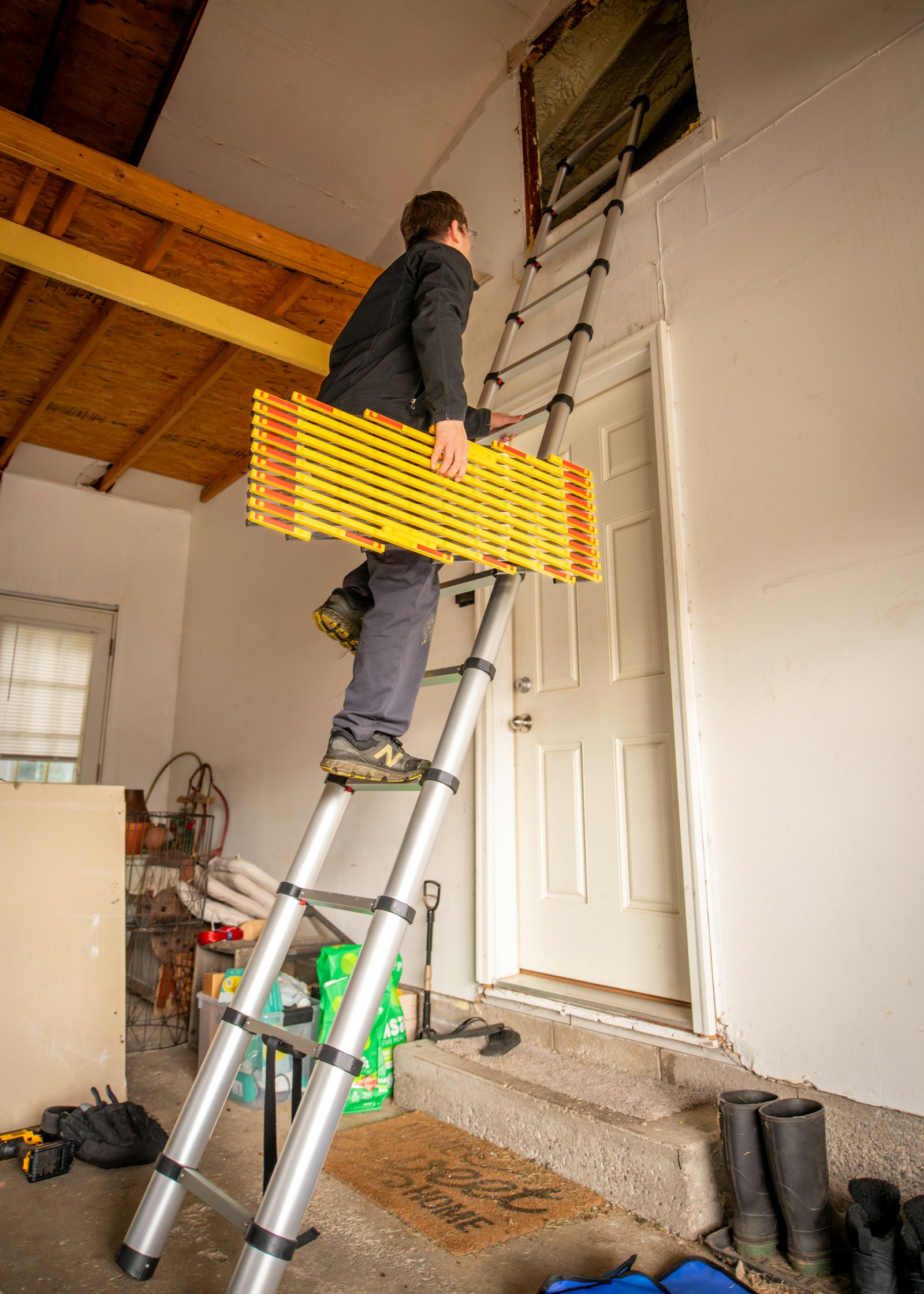
Attic
Insulation
Electrical systems
Plumbing
Heating and cooling systems
Interior rooms
Windows and doors
Basement or crawl spaces
Garage
Safety features
The exact inspection process can vary depending on the inspector, property type, and age of the home.
Exterior Inspection
The outside of a home is the first line of protection against weather.
Inspectors typically look at:
Roof Condition
The roof is one of the biggest components of a home and one of the most expensive to replace.
An inspector may look for:
Missing or damaged shingles
Signs of leaks
Poor flashing
Improper drainage
Roof age
Visible wear
A roof nearing the end of its lifespan doesn't necessarily mean you shouldn't buy a home, but it is important information to understand.
Siding and Exterior Materials
Inspectors look for:
Damage
Rot
Missing materials
Poor maintenance
Water penetration concerns
Older homes in Nova Scotia may have a mix of materials depending on when they were built and renovations completed over the years.
Drainage Around the Home
Water management is one of the most important parts of protecting a property.
Inspectors may look at:
Grading around the foundation
Gutters
Downspouts
Water flow away from the home
Poor drainage can contribute to basement moisture, foundation issues, and costly repairs.
Foundation and Basement Inspection
Basements and foundations are especially important in Nova Scotia because many homes experience significant moisture challenges due to weather conditions and seasonal changes.
Inspectors look for:
Cracks
Water stains
Moisture
Efflorescence
Settlement concerns
Structural issues
Not every crack is a major problem.
Some foundation cracks are common, while others may require additional evaluation.
A qualified inspector can help identify the difference.
Electrical Systems
Electrical issues are one of the most important areas an inspector reviews because safety is a major concern.
They may examine:
Electrical panel
Wiring
Outlets
Switches
Grounding
GFCI protection
Visible electrical concerns
Older homes may have electrical systems that have been updated over time, while others may require improvements.
This is especially important when buying older homes throughout communities like Lunenburg County, where many properties have decades of history.
Plumbing Systems
A home inspector typically reviews visible plumbing components, including:
Pipes
Fixtures
Water pressure
Drainage
Hot water systems
Signs of leaks
They may also identify:
Older plumbing materials
Corrosion
Leaks
Potential maintenance concerns
Heating Systems in Nova Scotia Homes
Heating is an important consideration for any Nova Scotia buyer.
A home inspection may include reviewing:
Furnace condition
Heat pumps
Boilers
Oil tanks
Wood stoves
Chimneys
Venting
Different heating systems have different maintenance requirements and costs.
For example:
Heat pumps can provide efficient heating and cooling.
Oil systems require regular maintenance and tank considerations.
Wood stoves require proper installation and chimney maintenance.
Understanding the heating system before buying helps you plan for ownership costs.
Septic Systems: An Important Consideration for home Buyers
Many homes throughout Nova Scotia, especially rural properties and waterfront homes, use private septic systems instead of municipal sewer services.
A home inspection may include a visual review of the septic system, but buyers should understand that a standard home inspection is not the same as a full septic inspection.
Inspectors may look for:
Location of the septic tank (if visible)
Signs of drainage issues
Odours
Wet areas near the septic field
Access points
General condition
Buyers may also want additional information, such as:
When the tank was last pumped
Records of maintenance
Age of the system
Type of septic system
Location of the field
Any known issues
A properly maintained septic system can work very well for many years. However, replacing a septic system can be expensive, so understanding the condition before purchasing is important.
If you're looking at rural properties around Bridgewater, Lunenburg County, or the South Shore, septic knowledge is a valuable part of the buying process.
Private Wells: What Buyers Need to Know
Many South Shore homes rely on private wells for their water supply.
A home inspector may review visible components of the water system, but buyers should consider additional testing.
Important questions include:
How deep is the well?
What type of well is it?
Has water testing been completed?
How much water does the well produce?
Has the system had previous issues?
Water testing can help identify concerns such as:
Bacteria
Minerals
Iron
Hardness
Other water quality concerns
A beautiful rural home is only as enjoyable as the systems that support it. Understanding the well system before purchasing helps buyers feel confident about their investment.
Wood Stoves and Fireplaces
Many Nova Scotia homes feature wood stoves or fireplaces, especially rural properties and cottages.
They can be a wonderful feature, providing:
Additional heat
Lower heating costs
A cozy atmosphere
Backup heat during outages
However, they also require proper maintenance and safety considerations.
An inspector may look at:
Stove installation
Visible condition
Chimney condition
Clearances
Venting
Signs of previous problems
Buyers should also confirm:
Whether permits were obtained
When the chimney was last cleaned
Whether insurance requirements are satisfied
A wood stove can be a great asset, but it needs to be properly installed and maintained.
Waterfront Property Inspections
Nova Scotia's South Shore is known for beautiful waterfront homes, cottages, and recreational properties.
These homes can offer incredible lifestyle opportunities, but they may also have unique considerations.
A waterfront inspection may involve looking at:
Shoreline conditions
Drainage
Moisture concerns
Seasonal access
Foundation exposure
Decks and docks
Environmental factors
Buyers should also consider:
Flood risk
Insurance requirements
Shoreline regulations
Future maintenance
A waterfront home is about more than the view. Understanding the entire property helps buyers enjoy it for years to come.
Common Issues Found During Home Inspections in Nova Scotia
Every home is different, but some issues appear more often than others.
Common inspection findings include:
Moisture Issues
Nova Scotia's climate means moisture management is extremely important.
Inspectors often check for:
Basement moisture
Poor drainage
Leaks
Condensation
Ventilation issues
Older Electrical Systems
Many older homes have had upgrades over the years, but some may still require improvements.
Potential concerns include:
Outdated panels
Ungrounded outlets
Older wiring
Insufficient electrical capacity
Deferred Maintenance
Sometimes the biggest inspection findings are not major failures but years of postponed maintenance.
Examples:
Aging roofs
Worn decks
Old windows
Exterior repairs
Aging appliances
A home that has been cared for usually shows it.
Should Buyers Attend the Home Inspection?
Whenever possible, attending the inspection is a great idea.
It allows buyers to:
Ask questions directly
Learn about the home's systems
Understand maintenance requirements
See issues firsthand
The inspection report is important, but walking through the home with the inspector often provides valuable context.
Your REALTOR® can also help you understand which items are normal maintenance and which may require further attention.
What Happens After a Home Inspection?
After the inspection, buyers typically review the findings and decide how to proceed.
Possible next steps include:
Moving Forward
If the inspection does not reveal significant concerns, buyers may feel comfortable continuing toward closing.
Requesting Repairs or Adjustments
Depending on the purchase agreement, buyers may be able to negotiate based on inspection findings.
This could involve:
Asking for repairs
Requesting a price adjustment
Negotiating other terms
Further Investigation
Sometimes an inspector identifies something that requires a specialist.
Examples:
Electrical evaluation
Septic inspection
Structural assessment
Chimney inspection
Water testing
Choosing Not to Proceed
In some situations, inspection results may reveal issues that change the buyer's decision.
That is exactly why inspections are valuable.
They provide information before a buyer becomes fully committed.
How Ryan Cook, REALTOR® with EXIT Realty Inter Lake Helps Buyers Through the Inspection Process
A home inspection is an important step, but buyers don't have to navigate it alone.
I’m Ryan Cook, REALTOR® with EXIT Realty Inter Lake, I help buyers throughout Nova Scotia's South Shore understand what inspection findings mean and how they may affect a purchase decision.
My role is to help clients:
Find the right property
Ask the right questions
Understand potential concerns
Negotiate when needed
Make confident decisions
Buying a home is about more than finding a property you love. It's about understanding the investment you're making.
Whether you're looking for a home in Bridgewater, Lunenburg, Mahone Bay, Chester, Liverpool, or surrounding South Shore communities, having local guidance can make the process much easier.
Frequently Asked Questions About Home Inspections
Is a home inspection required when buying a home in Nova Scotia?
A home inspection is not legally required, but many buyers choose to have one because it provides valuable information before completing a purchase.
How much does a home inspection cost in Nova Scotia?
The cost varies depending on the size, age, and location of the property. Buyers should consider it an investment in understanding one of their largest purchases.
Can a home fail an inspection?
No. A home inspection is not a pass-or-fail test. It identifies the condition of the property and any concerns buyers should understand.
Do new homes need inspections?
Many buyers choose to have new homes inspected because construction issues can still occur. An inspection provides an additional layer of information.
Should I skip an inspection if the home looks perfect?
A home can look excellent while still having hidden issues. An inspection provides a professional review of important systems and components.
A home inspection is one of the most valuable steps in the buying process. It helps you understand the condition of the property, plan for future maintenance, and make decisions with confidence.
For buyers on Nova Scotia's South Shore, inspections are especially important because many homes include unique features such as private wells, septic systems, wood stoves, waterfront considerations, and older construction.
A knowledgeable REALTOR® can help you understand the process, connect you with trusted professionals, and guide you through the decisions that come after the inspection.
If you're buying a home in Nova Scotia's South Shore and want local guidance, Ryan Cook, REALTOR® with EXIT Realty Inter Lake is here to help you every step of the way.
.png)