.png)
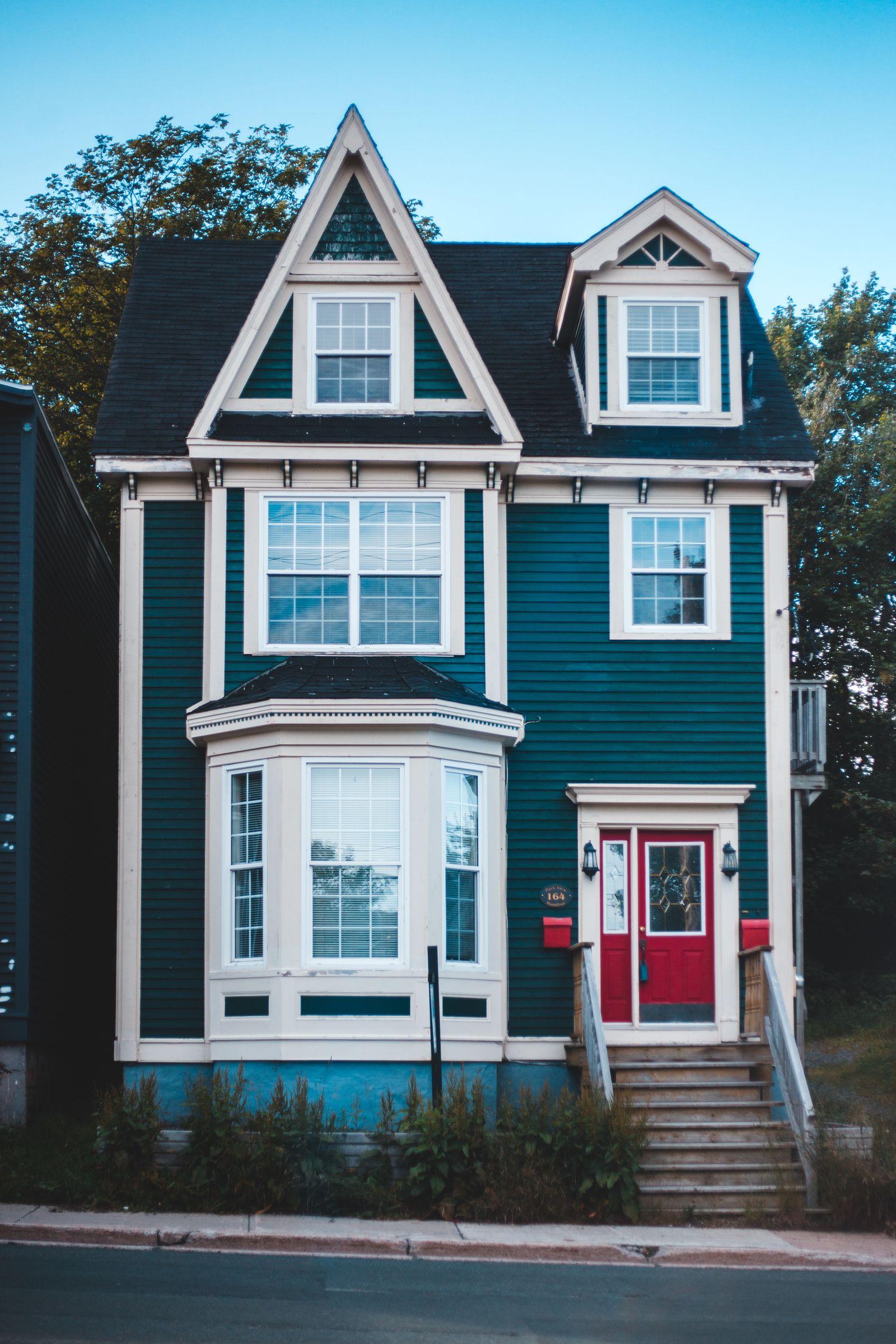
Should you rent or buy a home in Nova Scotia?Deciding whether to rent or buy a home is one of the biggest financial and lifestyle decisions many people face.
For some people, renting provides flexibility and fewer responsibilities. For others, buying a home creates long-term stability, builds equity, and provides a place they can truly make their own.
The right choice depends on your goals, finances, lifestyle, and plans for the future.
For people considering a move to Nova Scotia, the decision can be even more complicated. Many newcomers are comparing housing costs, communities, employment opportunities, and quality of life before deciding whether they are ready to purchase.
As Ryan Cook, REALTOR® with EXIT Realty Inter Lake, I help buyers throughout Nova Scotia's South Shore, including Bridgewater, Lunenburg, Mahone Bay, Chester, Liverpool, and surrounding communities understand their options and make informed real estate decisions.
The Short Answer: Is It Better to Rent or Buy?
There is no universal answer.
Buying may be the right choice if you:
Plan to stay in the area for several years
Want to build equity
Prefer stability
Are financially prepared
Want control over your living space
Renting may make more sense if you:
Are unsure where you want to live
Need flexibility
Are still learning the area
Are saving for a down payment
Have short-term plans
The best decision depends on your personal situation.
The Benefits of Renting in Nova Scotia
Renting offers several advantages.
Flexibility
Renting allows you to move more easily.
This can be helpful if you:
Recently moved to Nova Scotia
Are exploring different communities
Are changing jobs
Are unsure where you want to settle
For someone relocating to the South Shore, renting for a period of time can allow you to experience different communities before purchasing.
Fewer Maintenance Responsibilities
When you rent, major repairs are typically the landlord's responsibility.
You usually don't have to worry about:
Roof repairs
Furnace replacement
Plumbing issues
Exterior maintenance
This can make budgeting simpler.
Lower Upfront Costs
Buying a home requires significant upfront expenses.
Renting usually requires:
Security deposit
First month's rent
Moving expenses
Buying requires:
Down payment
Closing costs
Legal fees
Inspections
Moving expenses
The Downsides of Renting
While renting has advantages, there are also disadvantages.
You Are Not Building Equity
When you pay rent, you are paying for housing, but you are not building ownership.
A homeowner's mortgage payments contribute toward owning an asset.
Less Control Over Your Home
Renters may have restrictions around:
Renovations
Pets
Landscaping
Changes to the property
Homeownership provides much more freedom.
Rent Can Increase
Rental prices can change over time.
Homeowners with a fixed mortgage may have more predictable long-term housing costs.
The Benefits of Buying a Home in Nova Scotia
Homeownership offers several long-term advantages.
Building Equity
Every mortgage payment can help increase your ownership stake in your home.
Over time, your home may become one of your largest financial assets.
Stability
Owning a home provides a sense of permanence.
You can:
Stay as long as you want
Make improvements
Create your ideal space
Plan for the future
Freedom to Make Changes
Homeowners can personalize their property.
You may choose to:
Paint
Renovate
Landscape
Add features
Make improvements
Your home becomes your own.
Buying on Nova Scotia's South Shore
The South Shore attracts buyers for many reasons:
Coastal lifestyle
Natural beauty
Smaller communities
Outdoor recreation
Historic towns
Slower pace of life
Communities such as Bridgewater, Lunenburg, Mahone Bay, Chester, and Liverpool each offer different experiences.
Some buyers want:
Walkable downtown living
Waterfront property
Rural acreage
Retirement options
A family-friendly community
Understanding where you want to live is just as important as understanding what you can afford.
Financial Factors to Consider Before Buying
Buying a home is a long-term commitment.
Before purchasing, consider:
Down Payment
Your down payment affects:
Mortgage amount
Monthly payments
Mortgage insurance requirements
Closing Costs
Buyers need to budget for additional costs such as:
Legal fees
Land registration fees
Deed transfer tax
Inspections
Adjustments
Ongoing Homeownership Costs
Owning a home includes more than a mortgage payment.
Plan for:
Property taxes
Insurance
Utilities
Maintenance
Repairs
The Hidden Costs of Renting
Renting also has expenses beyond monthly rent.
These may include:
Rent increases
Moving costs
Application fees
Storage
Utility costs
Over many years, these expenses can add up.
Questions to Ask Before Buying a Home
Before making the decision to buy, ask yourself:
How Long Do I Plan to Stay?
Buying usually makes more sense if you plan to stay several years.
Is My Income Stable?
A consistent income helps make homeownership more manageable.
Am I Ready for Maintenance Responsibilities?
Homeownership means being responsible for repairs and upkeep.
Do I Know Where I Want to Live?
Especially for people moving to Nova Scotia, understanding communities is important.
Spend time exploring:
Towns
Amenities
Commute times
Schools
Services
Lifestyle
Should You Rent First When Moving to Nova Scotia?
For many newcomers, renting first can be a smart strategy.
It gives you time to:
Learn the area
Understand the market
Visit communities
Decide where you want to settle
However, waiting too long can also have drawbacks if home prices or availability change.
A local REALTOR® can help you understand the market while you explore your options.
How Ryan Cook, REALTOR® with EXIT Realty Inter Lake Helps Buyers Decide
Buying a home is not always the immediate answer for everyone.
A good REALTOR® should help you understand your options, not pressure you into making a decision before you are ready.
I’m Ryan Cook, REALTOR® with EXIT Realty Inter Lake, I help clients throughout Nova Scotia's South Shore understand:
Local communities
Current market conditions
Home values
Buying timelines
What properties fit their goals
Whether you are ready to buy now or simply exploring your options, having reliable local information helps you make better decisions.
Renting vs Buying: Quick Comparison
Frequently Asked Questions
Is buying a home cheaper than renting in Nova Scotia?
It depends on the property, location, mortgage rates, and individual circumstances. Monthly costs are only one part of the decision.
How long should I live somewhere before buying?
Many experts suggest buying makes more sense when you plan to stay several years, but the right timeline depends on your situation.
Can I buy a home in Nova Scotia as a newcomer?
Yes. Many people relocate to Nova Scotia and purchase homes. Preparation, financing, and local guidance are important.
Should I rent before buying in Nova Scotia?
Some buyers choose to rent temporarily while learning the area. Others purchase immediately after researching their preferred community.
What is the first step if I want to buy?
A good first step is understanding your budget, speaking with a mortgage professional, and connecting with a local REALTOR®.
The decision to rent or buy is personal. There is no single answer that works for everyone.
Renting can provide flexibility and simplicity, while buying can provide stability, equity, and the freedom to create a home of your own.
For those considering Nova Scotia's South Shore, taking the time to understand communities and the local real estate market is an important part of making the right choice.
Whether you are ready to buy today or simply exploring your options, Ryan Cook, REALTOR® with EXIT Realty Inter Lake can help you understand the market and make informed decisions.
A home purchase is not just about buying a property, it is about choosing the place where you want to build your future.
.png)