RSS

7 Fall Home Maintenance Tips for South Shore Nova Scotia Homeowners

October is the perfect time to give your home a little extra attention before winter arrives on Nova Scotia’s South Shore. As temperatures begin to drop, leaves fall, and Atlantic winds and rain become more frequent, preparing your property for the colder months can help prevent costly repairs and keep your home comfortable throughout the winter.

Whether you own a home in Bridgewater, Lunenburg, Mahone Bay, or one of the many beautiful rural communities along the South Shore, fall home maintenance is an important part of protecting your investment.

Nova Scotia’s coastal climate can bring a combination of wind, rain, freezing temperatures, snow, and changing weather conditions. Taking care of small maintenance tasks in the fall can help you identify potential problems before winter makes them more difficult or expensive to address.

From cleaning gutters and inspecting your roof to servicing your heating system and preparing outdoor plumbing, a little preventative maintenance now can make a big difference when the temperatures drop.

If you’re a homeowner on Nova Scotia’s South Shore, here are seven important fall home maintenance tips to add to your October checklist.

1. Clean Your Gutters and Downspouts Before the Leaves Fall

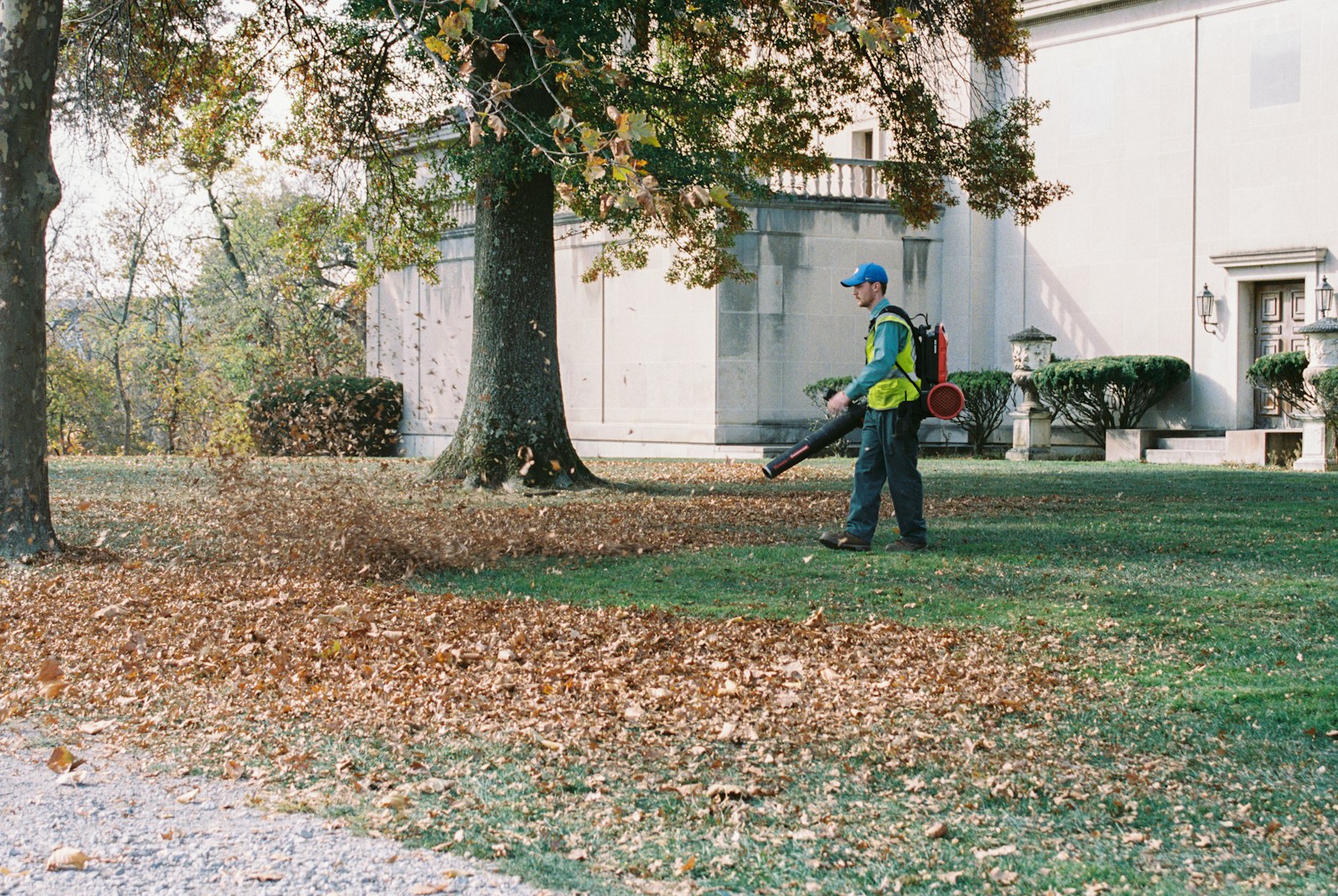
With colourful autumn leaves covering the South Shore, October is an ideal time to check your gutters and downspouts.

Leaves, twigs, pine needles, and other debris can accumulate in your eavestroughs, preventing rainwater from draining away properly. When gutters become blocked, water can overflow and collect around your foundation, potentially contributing to moisture problems, basement leaks, and damage to exterior surfaces.

Before winter arrives, make sure your gutters and downspouts are clear and directing water away from your home.

Here are a few things to check:

  • Remove accumulated leaves and debris from gutters.

  • Check downspouts for blockages and ensure water flows freely.

  • Make sure downspouts direct water away from the foundation.

  • Look for loose brackets, sagging sections, or visible damage.

  • Check that the ground around your home slopes away from the foundation where appropriate.

For homes surrounded by mature trees, you may need to check your gutters more than once during the fall.

If your property has a steep roof or difficult-to-reach gutters, consider hiring a professional rather than climbing a ladder yourself.

South Shore homeowner tip: With frequent autumn rainfall along Nova Scotia’s coast, proper drainage is especially important. Keeping water moving away from your home can help reduce the risk of moisture-related issues before freezing weather arrives.

2. Schedule a Heating System Inspection

When the colder weather settles in, your heating system becomes one of the most important parts of your home.

Whether your property uses a furnace, boiler, ductless heat pump, or another heating system, autumn is a good time to make sure everything is operating as it should before you depend on it every day.

A heating system that receives regular maintenance may operate more efficiently and can help you identify potential issues before they turn into unexpected winter breakdowns.

Consider adding these tasks to your fall maintenance checklist:

  • Book a professional heating system inspection or service as recommended by the manufacturer.

  • Replace or clean furnace filters as appropriate.

  • Clean heat pump filters and check the outdoor unit for leaves and debris.

  • Make sure heating vents and air returns are not blocked.

  • Check thermostats and confirm your system responds properly.

  • Review your heating system's maintenance records and any recommended repairs.

If you use a heat pump, keep the outdoor unit clear of leaves and other debris, and follow the manufacturer's guidance for maintaining adequate airflow and winter operation.

Homeowners with oil, propane, or wood heating should also make sure their equipment is maintained appropriately and that fuel supplies and backup heating arrangements are considered before winter.

Why this matters: Heating problems are much easier to address before a cold spell than during one. Scheduling maintenance in October can give you more time to arrange repairs and prepare your home for the months ahead.

3. Check Windows and Doors for Drafts

Have you noticed a cool breeze near a window or felt cold air coming through an exterior door? Fall is the ideal time to address these small problems before winter temperatures arrive.

Drafty windows and doors can make your home feel less comfortable and may contribute to higher heating costs. Worn weatherstripping, deteriorating caulking, and gaps around frames can allow cold air to enter while warm air escapes.

Walk through your home on a cool day and pay attention to areas where you notice drafts or temperature differences.

Here are a few ways to improve your home's weather protection:

  • Inspect weatherstripping around exterior doors and replace worn sections.

  • Check window caulking for cracks, gaps, or deterioration.

  • Look for visible gaps around window and door frames.

  • Make sure exterior doors close properly and latch securely.

  • Check for damaged window screens or other signs of wear.

  • Consider appropriate draft-proofing measures for older homes.

If you live in a historic property in Lunenburg, Mahone Bay, or another established South Shore community, take extra care when working around original windows and architectural details. Older homes can have unique maintenance needs, and preserving their character while improving comfort may require specialized advice.

For homeowners considering upgrades, energy-efficient improvements may also be worth exploring. The best solution will depend on the age of your home, the condition of the existing windows and doors, and your budget.

A few simple repairs in the fall can help create a more comfortable home throughout the winter season.

4. Inspect Your Roof and Check for Signs of Damage

Your roof protects your home from rain, wind, snow, and freezing temperatures. Before winter arrives, take time to look for visible signs of damage that may need professional attention.

Strong winds and heavy rainfall can put stress on roofing materials, flashing, shingles, and other exterior components. Even a small problem can become more serious if moisture enters the roof structure and freezing temperatures follow.

From the ground, look for:

  • Missing, cracked, curled, or damaged shingles.

  • Loose or damaged flashing around chimneys and roof penetrations.

  • Visible signs of sagging or deterioration.

  • Debris accumulating on roof surfaces.

  • Damaged soffits, fascia, or other roof-edge components.

  • Water stains on ceilings or walls inside your home.

If you notice signs of a leak, address the issue promptly rather than waiting until spring.

It's also worth checking your attic, if accessible, for signs of moisture, staining, or unusual dampness. Adequate attic ventilation and insulation can play an important role in winter home performance, so consider having any concerns assessed by a qualified professional.

Avoid climbing onto your roof to inspect it yourself, particularly during wet or windy weather. A qualified roofing contractor can safely assess the condition of your roof and recommend repairs when needed.

A helpful reminder for coastal homeowners: Wind exposure and weather conditions can vary considerably from one property to another. Regular roof inspections and timely repairs can help protect your home from the elements.

5. Prepare Outdoor Taps, Hoses, and Exterior Plumbing

Freezing temperatures can cause water inside exposed plumbing to expand, potentially leading to cracked pipes, leaks, and costly repairs.

Before the first hard freeze, take time to prepare outdoor taps and any plumbing that may be vulnerable to cold weather.

Your fall checklist should include:

  • Disconnect garden hoses from outdoor taps.

  • Drain and store hoses for the winter.

  • Shut off and drain exterior water lines if your plumbing system is designed for this and the manufacturer or a qualified professional recommends it.

  • Check that exposed pipes in unheated areas are appropriately protected.

  • Inspect accessible plumbing for signs of leaks or damage.

  • Make sure you understand where your home's main water shutoff is located.

If your home has a crawl space, detached garage, seasonal outdoor plumbing, or other areas exposed to cold temperatures, pay particular attention to those locations.

For properties with more complex plumbing arrangements, ask a qualified plumber about the correct winterization process.

It's also a good idea to know how to respond if a pipe freezes or bursts. Knowing where to shut off the water can help limit damage while you arrange professional assistance.

Taking these precautions in October can help you avoid an unpleasant surprise during a winter cold snap.

6. Have Your Chimney and Fireplace Inspected

If your home has a wood stove, fireplace, or another solid-fuel heating appliance, fall is an excellent time to arrange the appropriate chimney inspection and cleaning.

A fireplace can make a South Shore home feel especially cozy on a cold autumn evening, but safe operation depends on proper maintenance.

Creosote, soot, and other deposits can accumulate inside chimneys and flues. Blockages, damaged components, and other problems can increase the risk of a chimney fire or carbon monoxide entering your home.

Before using your fireplace or wood stove regularly, consider the following:

  • Arrange a chimney inspection and cleaning as recommended by a qualified professional.

  • Check for visible damage to the fireplace, stove, chimney, and surrounding materials.

  • Make sure the flue and chimney are suitable for the appliance and in proper working condition.

  • Burn only the fuel recommended for your appliance.

  • Keep combustible materials away from heating equipment.

  • Follow the manufacturer's operating and maintenance instructions.

If you use a wood stove as your primary or backup heat source, make sure you have an appropriate supply of properly seasoned firewood stored safely and protected from excessive moisture.

Remember that regular maintenance is important even if you only use your fireplace occasionally.

Safety tip: Never use a fireplace or wood stove if you suspect a damaged chimney, blocked flue, or other unsafe condition. Have the problem assessed before using the appliance.

7. Test Smoke Alarms and Carbon Monoxide Alarms

As homeowners begin using their heating systems, fireplaces, and wood stoves more frequently, fall is an important time to check smoke alarms and carbon monoxide alarms.

Smoke alarms provide early warning in the event of a fire, while carbon monoxide alarms can alert you to the presence of this dangerous, odourless gas.

Every home should have the appropriate alarms installed, positioned, and maintained according to applicable requirements and the manufacturer's instructions.

Add these tasks to your October checklist:

  • Test smoke alarms using the test button.

  • Test carbon monoxide alarms according to the manufacturer's instructions.

  • Replace batteries where applicable and required.

  • Check the age and expiry or replacement date of each alarm.

  • Replace alarms that have reached the end of their service life.

  • Make sure alarms are installed in the appropriate locations throughout your home.

  • Review your household's fire escape plan.

If your home has fuel-burning appliances, an attached garage, a wood stove, or a fireplace, carbon monoxide safety deserves particular attention.

Never ignore a carbon monoxide alarm. If it sounds, leave the building, get to fresh air, and contact emergency services from a safe location.

A few minutes spent checking your alarms can be an important part of protecting your household throughout the heating season.

Bonus Fall Maintenance Tips for Rural South Shore Properties

If you own a rural property outside Bridgewater, Lunenburg, Mahone Bay, or another South Shore community, your fall maintenance routine may involve a few additional tasks.

Rural homes often have features that require specific seasonal attention, including private wells, septic systems, longer driveways, outbuildings, and backup heating equipment.

Consider adding these items to your fall checklist.

Check Your Well and Water Supply

If your home uses a private well, review any recommended maintenance and water-testing schedule. Inspect accessible well components for visible damage, keep the well area protected, and make sure surface water drains away appropriately.

If you have concerns about water quality, arrange suitable testing through an appropriate laboratory or service provider.

Review Your Septic System

Your septic system is an important part of your property's infrastructure. Check available maintenance records, follow recommended pumping and inspection schedules, and keep vehicles and heavy equipment off the septic tank and drainage field unless the system is specifically designed to accommodate them.

Look for warning signs such as persistent wet areas, unusual odours, or slow drains, and contact a qualified septic professional if you notice anything concerning.

Prepare Your Driveway and Drainage

Rainfall, snowmelt, and freezing temperatures can make driveway and drainage problems more noticeable during the winter months.

Check ditches, culverts, and other drainage features for blockages. Look for areas where water pools or flows toward buildings, and address drainage concerns before the ground freezes.

For longer rural driveways, consider your snow-clearing arrangements and make sure you have a practical plan for winter access.

Review Your Backup Heating and Power Arrangements

If your property depends on a well pump, septic pump, or other essential electrical equipment, consider what would happen during a power outage.

Inspect and maintain backup equipment according to the manufacturer's recommendations, and make sure any generator is operated outdoors, away from doors, windows, and vents, in accordance with safety guidance.

If you rely on a secondary heat source, have it inspected and make sure it can be used safely.

Preparing these systems in the fall can help rural homeowners feel more confident when winter weather arrives.

Why Fall Home Maintenance Matters for South Shore Homeowners

Your home is one of your most significant investments, and regular maintenance is an important part of protecting it.

Although some fall tasks take only a few minutes, others may require professional inspections, repairs, or additional planning. Addressing concerns early can give you more flexibility when arranging services and may help prevent minor issues from becoming more expensive problems.

A well-maintained home can also be easier to manage when it comes time to sell. Buyers often pay attention to the condition of the roof, heating system, windows, drainage, and other major components when evaluating a property.

Keeping maintenance records, retaining receipts for repairs, and documenting upgrades can help you communicate the care you've put into your home when preparing to list it in the future.

Of course, not every maintenance project needs to be completed at once. Start with safety concerns, active leaks, heating issues, and other problems that could cause damage if left unattended. Then work through the remaining tasks as your time and budget allow.

The goal is to prepare your property for the season ahead while making thoughtful decisions about its long-term care.

Get Your South Shore Home Ready for Winter

October is a great reminder that winter is just around the corner. Whether you live in Bridgewater, Lunenburg, Mahone Bay, or one of the many rural communities along Nova Scotia's South Shore, a little preventative maintenance now can help you prepare for the colder months ahead.

From clearing gutters and servicing your heating system to protecting outdoor plumbing and checking safety alarms, these seven fall home maintenance tasks can help you stay organized and identify potential problems before winter sets in.

If you own a rural property, don't forget about your well, septic system, drainage, driveway, and backup heating arrangements. These additional details can be especially important when preparing a property for winter in Nova Scotia.

A little planning today can make the season ahead more comfortable and help you protect one of your most important investments.

Thinking about buying or selling a home on Nova Scotia's South Shore?

Understanding how to care for a property is an important part of homeownership. Whether you're preparing your current home for winter, considering a move, or beginning to explore the South Shore real estate market, I'm always happy to help connect you with local information and resources.

🏡 Have questions about preparing your South Shore home for winter? Get in touch anytime!

Ryan Cook, Sales Representative | Your South Shore REALTOR®

Read

Buying a Home on Nova Scotia’s South Shore This Fall: Discover Coastal Living in Lunenburg, Bridgewater & Mahone Bay

There’s something truly special about autumn on Nova Scotia’s South Shore. As the leaves turn brilliant shades of red, orange, and gold, the crisp Atlantic air rolls in along the coastline, and charming seaside communities take on a whole new kind of beauty. For anyone considering a move, fall is a wonderful time to explore the lifestyle, communities, and real estate opportunities that make the South Shore such a desirable place to call home.

Whether you’re searching for your first home, planning for retirement, looking for a quieter pace of life, or dreaming of a coastal property in Nova Scotia, the South Shore offers a unique blend of natural beauty, welcoming communities, historic charm, and everyday convenience.

From the colourful waterfront and historic architecture of Lunenburg to the amenities and community spirit of Bridgewater and the postcard-worthy coastal charm of Mahone Bay, there are plenty of reasons to explore South Shore Nova Scotia real estate this fall.

Why Fall Is a Great Time to Explore South Shore Nova Scotia Real Estate

Buying a home is about much more than finding a property you love. It’s also about choosing a community, understanding your lifestyle needs, and feeling confident about where you want to put down roots.

Autumn provides an opportunity to experience Nova Scotia’s South Shore beyond the busy summer season. Communities settle into their year-round rhythms, the landscape changes with the season, and buyers can start thinking about what everyday life might look like throughout the year.

If you’re considering buying a home on Nova Scotia’s South Shore, here are a few things to keep in mind this fall.

1. Discover What Year-Round Coastal Living Is Really Like

The South Shore is known for its beautiful coastline, picturesque harbours, sandy beaches, forested trails, and relaxed lifestyle. While summer brings visitors and plenty of activity, autumn offers a different perspective on living here.

Take time to explore local neighbourhoods, visit community shops and cafés, walk along the waterfront, and discover the places you might enjoy visiting regularly. Consider what matters most to you in a community, whether that’s access to outdoor recreation, local amenities, a friendly neighbourhood, or a peaceful setting close to the ocean.

For buyers relocating to Nova Scotia, experiencing the area in the fall can help you better understand the benefits and practical considerations of making the South Shore your home.

2. Explore Lunenburg Real Estate and Historic Coastal Living

If you’re drawn to historic homes, colourful buildings, waterfront views, and a strong sense of character, Lunenburg may be a community worth exploring.

This UNESCO World Heritage Site is known for its distinctive architecture, maritime heritage, and vibrant waterfront. Its historic streets, independent shops, restaurants, and cultural attractions create an appealing setting for those who appreciate a community with personality and history.

When exploring homes for sale in Lunenburg, you may encounter a variety of property styles, from character-filled older homes to more contemporary properties. Depending on your preferences and budget, you may also want to consider nearby communities that offer convenient access to Lunenburg while providing a different setting or property style.

If you’re considering purchasing a historic home, remember to look beyond its charm. Ask about maintenance requirements, insulation, heating systems, windows, roofing, and any renovations that may be needed to make the property comfortable year-round.

For buyers who love coastal scenery and historic surroundings, Lunenburg is an excellent place to begin exploring the possibilities of South Shore living.

3. Consider Bridgewater for Convenience and Community

For buyers who want a balance of small-town living and everyday convenience, Bridgewater is another community to consider.

As a regional service centre for the South Shore, Bridgewater offers access to shopping, healthcare services, schools, restaurants, recreational facilities, and other everyday amenities. Its location along the LaHave River and its established residential neighbourhoods make it an attractive option for people with a variety of housing needs.

When searching for Bridgewater real estate, you may want to compare different neighbourhoods, property sizes, home styles, and distances to the amenities you use most often.

Bridgewater may appeal to first-time homebuyers looking for a practical starting point, families seeking a community with convenient services, and retirees who want access to essential amenities without living in a larger urban centre.

As you compare properties, consider your commute, parking needs, outdoor space, and the features that will make your home comfortable through every season.

4. Discover the Coastal Charm of Mahone Bay

Mahone Bay is well known for its picturesque waterfront, historic character, independent businesses, and relaxed coastal atmosphere. Its scenic setting and distinctive charm make it a popular community to explore for those dreaming of life along Nova Scotia’s South Shore.

For buyers interested in Mahone Bay homes for sale, the search may include properties with traditional character, contemporary finishes, outdoor living spaces, or convenient access to the town and surrounding coastline.

Think about how you want to spend your time at home. Do you picture morning walks, exploring local shops, entertaining friends, tending a garden, or enjoying a quieter pace of life? Your ideal property should complement the lifestyle you want to create.

As with any coastal community, it’s also important to understand the specific location of a property, its exposure to weather, access during winter, insurance considerations, and any applicable flood or coastal hazard information.

Mahone Bay is one of several South Shore communities worth considering if you’re looking for a home that combines small-town character with access to the natural beauty of Nova Scotia.

What Should You Look for When Buying a Home in Nova Scotia This Fall?

The changing seasons make autumn a useful time to evaluate some of the practical details that can influence your home-buying decision.

While a property may look beautiful during a sunny summer showing, you’ll want to understand how it will perform during colder, wetter weather and throughout the winter months.

Here are some important considerations when viewing homes on Nova Scotia’s South Shore.

Heating systems and energy efficiency: Ask about the home's primary and backup heating systems, insulation, windows, and recent energy-efficiency upgrades. Understanding the heating system and anticipated energy costs can help you plan your household budget.

Roofing, windows, and maintenance: Autumn is a good reminder to ask about roof age, drainage, gutters, exterior maintenance, and any repairs that may be required. A professional home inspection can help identify issues that deserve closer attention.

Winter access and commuting: Consider the distance to work, schools, healthcare, grocery stores, and other essential services. Think about road conditions, snow clearing, driveway maintenance, and how comfortable you’ll feel travelling during winter weather.

Water and septic systems: Depending on the property, you may need to investigate the well, water quality, septic system, and relevant inspection or maintenance records. These details are particularly important when considering rural homes.

Property boundaries and land use: If you’re looking at a home with acreage, waterfront access, or additional outbuildings, confirm property boundaries and investigate applicable zoning, easements, access rights, and any restrictions that could affect your plans.

Coastal location and insurance: For properties near the water, ask appropriate questions about shoreline conditions, erosion, flooding, drainage, and insurance availability and costs. The risks and requirements vary by property, so it’s important to assess each location individually.

Taking the time to investigate these details can help you make a more informed decision and choose a property that suits your needs beyond the initial excitement of finding a home.

Is the South Shore of Nova Scotia a Good Place to Retire?

For many buyers, Nova Scotia’s South Shore offers an appealing setting for retirement. Its coastal scenery, established communities, outdoor recreation, and slower pace of life can make it an attractive option for those looking to enjoy their next chapter.

Bridgewater may appeal to buyers who prioritize access to everyday services and healthcare facilities. Lunenburg may be a fit for those who value historic character and cultural activities, while Mahone Bay may appeal to buyers drawn to a picturesque coastal setting and a close-knit community atmosphere.

Of course, the right retirement location depends on your individual needs. Consider access to healthcare, transportation, home maintenance, property taxes, heating costs, and the type of property that will work best for you over time.

Some buyers may prefer a smaller, low-maintenance home close to services, while others may want a property with a garden, workshop, guest space, or room for visiting family.

Exploring different South Shore communities in person can help you determine which location best aligns with your plans.

Moving to Nova Scotia’s South Shore: What Should You Know?

If you’re thinking about relocating to Nova Scotia from another part of Canada, the South Shore offers a range of communities and property types to explore.

Before beginning your home search, take time to establish your budget, identify your preferred communities, and determine which property features are essential. It can also be helpful to plan a visit so you can experience the area, explore local amenities, and compare the differences between towns and surrounding rural areas.

Think about your everyday routine. Where will you shop? How far will you travel for work or appointments? Do you prefer living within walking distance of local businesses, or would you rather have more land and privacy outside town?

You’ll also want to understand the costs associated with homeownership in Nova Scotia, including property taxes, insurance, utilities, maintenance, and potential upgrades.

If you’re moving from out of province, working with a REALTOR® who knows the South Shore can help you learn about local neighbourhoods, understand the buying process, and identify properties that match your priorities.

A thoughtful approach to your search can help you move beyond simply finding a beautiful house and focus on finding a home and community where you can feel comfortable for years to come.

Should You Buy a Home on the South Shore Before the New Year?

If you’re considering a move, autumn can be a useful time to start planning your next steps. Beginning your search before the new year gives you an opportunity to clarify your budget, research communities, arrange financing, and identify the types of properties that interest you.

However, the right time to buy depends on your personal circumstances, available inventory, financing, and the local market. There is no single season that guarantees the best property or the best price.

Instead of feeling pressured to meet a particular deadline, focus on understanding your options and preparing to make a decision when the right property becomes available.

You can start by browsing current homes for sale in Lunenburg, Bridgewater, Mahone Bay, and the surrounding South Shore communities. Make a list of the features you need, the features you would love to have, and the locations you want to explore.

From there, you can begin narrowing your search and arranging viewings that align with your goals.

Find Your Place on Nova Scotia’s South Shore

There’s a reason so many people are drawn to Nova Scotia’s South Shore. From colourful historic towns and scenic coastal drives to welcoming communities and opportunities to enjoy the outdoors, the region offers a distinctive lifestyle for buyers at many different stages of life.

Whether you’re searching for your first home, downsizing for retirement, relocating to Nova Scotia, or looking for a property where you can enjoy coastal living, exploring your options is the first step toward finding the right fit.

This fall, take the opportunity to discover what makes Lunenburg, Bridgewater, Mahone Bay, and the surrounding communities special. Explore the neighbourhoods, ask questions, compare properties, and consider what you want your next chapter to look like.

Thinking about buying a home on Nova Scotia’s South Shore?

Let’s talk about your goals, your preferred location, and the type of property you’re looking for. Whether you’re just beginning to explore South Shore real estate or you’re ready to start viewing homes, I’d be happy to help you understand your options and take the next step with confidence.

Ryan Cook, Sales Representative🍂 Your South Shore REALTOR®

Read

Small-Town Charm, Ocean Views and Community: Life on Nova Scotia’s South Shore

Have you ever dreamed of living somewhere with beautiful coastal scenery, welcoming communities, and room to slow down and enjoy everyday life?

Nova Scotia’s South Shore has plenty to explore.

Lunenburg offers historic architecture, colourful streets, and a distinctive waterfront setting.

Mahone Bay is known for its picturesque harbour and small-town character.

Bridgewater provides access to everyday amenities, shopping, services, and connections throughout the region.

Liverpool offers coastal scenery and a rich local history along Nova Scotia’s South Shore.

Of course, every community has its own personality. When choosing where to live, consider your commute, access to healthcare, schools, shopping, recreation, and the type of property that suits your lifestyle.

If you're moving from another province, it's also worth exploring the area during different seasons to get a realistic feel for year-round living.

The best part? Your ideal South Shore home doesn't have to look the same as anyone else's.

🌊 Curious which South Shore community might be right for you? I'd love to help you explore your options.

Read

New property listed 484 Gilberts Lane in Maplewood

I have listed a new property at 484 Gilberts Lane in Maplewood. See details here

A PRIVATE RIVERFRONT ESCAPE ON 4.5 ACRES! Welcome to 484 Gilberts Lane, where peaceful country living meets the beauty of approximately 300 feet of Lahave river frontage. Tucked away on a spacious 4.5-acre property, this 2-bedroom, 1-bath home offers the kind of privacy and natural setting that is getting harder to find. Inside, the cozy wood stove creates the perfect spot to unwind, while the spacious kitchen, living room and bedroom all take in views of the river, making the setting part of everyday life. Step outside onto the large covered back deck and enjoy your morning coffee, entertain friends, or simply listen to the water and take in the peaceful surroundings, rain or shine. There's plenty of room here to enjoy the outdoors, whether you're exploring the property, spending time along the river, kayaking, fishing or relaxing around the fire. A drilled well, storage shed and detached heated double garage add practicality and space for vehicles, hobbies and all the toys that come with enjoying country living. This property also has deeded access to Sherbrooke Lake, giving you another beautiful spot to enjoy. If you've been looking for a place where you can slow down, enjoy the water, have some privacy and make the property your own, this could be the private riverfront retreat you've been waiting for.

Read

I have sold a property at 3521 Highway 325 in Newcombville

I have sold a property at 3521 Highway 325 in Newcombville on Nov 7, 2026. See details here

If privacy, outdoor space, and a home that feels comfortable and easy to enjoy are on your list, 3521 Highway 325 is worth a look. Inside, you'll find a practical layout with Three bedrooms, and a full bathroom. The living spaces offer a comfortable place to settle in, with plenty of opportunity to make the home your own. Step outside and enjoy the privacy of the setting, along with a good-sized yard and back deck that provide plenty of space to relax, garden, entertain, or simply enjoy the outdoors. A new septic system is another valuable feature, giving the next owner peace of mind and one less major update to worry about. With a comfortable interior, private setting, and outdoor space to enjoy, 3521 Highway 325 offers a great opportunity to make a home your own. Come take a look and see if it's the right fit for you.

Read

New property listed 87 Maplesue Point Drive in Molega Mines

I have listed a new property at 87 MAPLESUE POINT Drive in Molega Mines. See details here

LAKEFRONT OPPORTUNITY! BUILD OR ENJOY! This property is already set up for immediate lakefront enjoyment or future construction. The land has been professionally graded into two usable tiers, with the upper level featuring a Park Model RV, covered area, parking/turnaround, fenced deck and serviced 8' x 8' shed. Switchback driveway provides access to the upper level and continues to the lake and boat launch. Drilled 185' well, septic system, drainage, power, RV hookups and Fibre Optic are already in place. Well water has been tested and is currently used for drinking, cooking and showering. Enjoy the lake now while building your dream home at your own pace, or simply keep this as your private lakefront retreat. Dock components and deck areas at the boat launch are included, excluding the Jet Ski dock. The hard work is done, the boat, the RV and start enjoying the lake!

Read