.png)
.png)
Selling a home on the South Shore of Nova Scotia can be exciting, but the way your home is presented can make a bigger difference than most sellers realize. In today’s market, buyers are scrolling listings online long before they ever step inside a property. If your home doesn’t photograph well or feel welcoming during showings, it can quietly lose value.
Home staging isn’t about making a home look fancy, it’s about helping buyers imagine themselves living there. Unfortunately, some common staging mistakes can actually turn buyers away or make them think your home isn’t worth the asking price.
If you’re preparing to sell in communities like Bridgewater, Lunenburg, Mahone Bay, or Liverpool, avoiding these staging mistakes can help your home sell faster and for a better price.
Below are seven embarrassing home staging mistakes that can hurt your home’s value, and how to fix them before buyers walk through the door.
1. Leaving Too Much Personal Stuff Everywhere
Family photos, kids’ artwork, vacation souvenirs, and personalized décor may feel comforting to you—but they can make it harder for buyers to picture themselves in the home.
When buyers walk into a space filled with someone else’s memories, they subconsciously feel like guests rather than future owners.
What to do instead:
Remove most family photos
Clear personal collections and memorabilia
Keep décor neutral and simple
Think of it like preparing the home for a magazine photo shoot.
2. Ignoring Odours (Yes, Buyers Notice)
Smell is one of the fastest ways to ruin a showing. Pet odours, cooking smells, cigarette smoke, or musty basements are common issues, especially in coastal homes where humidity can creep in.
Buyers might not mention it directly, but a bad smell can instantly lower perceived value.
Quick fixes:
Deep clean carpets and furniture
Wash pet bedding regularly
Air out the home before showings
Use subtle, neutral scents (not overpowering sprays)
Fresh air and clean spaces always win.
3. Using Rooms for the Wrong Purpose
If a dining room is being used as a storage space or a spare bedroom looks like a home gym and office combined, buyers can feel confused about how the space is meant to function.
Clear room purpose helps buyers understand the layout and visualize their own furniture in the home.
Simple staging tip:
Every room should have one clear purpose:
Bedroom
Office
Dining room
Living room
Avoid multipurpose clutter during showings.
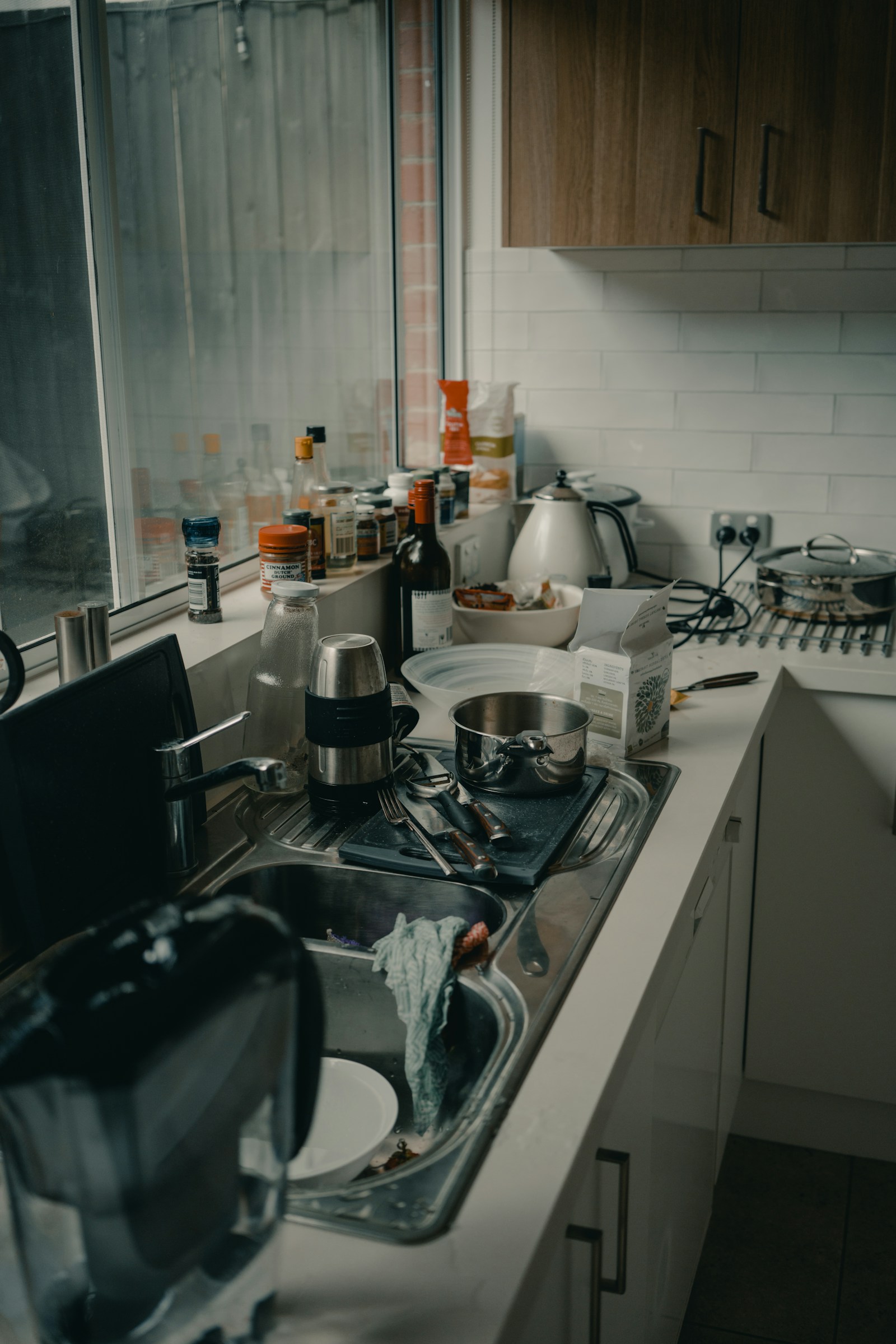
4. Leaving Clutter on Every Surface
Clutter is one of the biggest staging mistakes homeowners make. Countertops, coffee tables, shelves, and dressers packed with items make rooms look smaller than they really are.
Remember: buyers associate space with value.
Decluttering checklist:
Clear kitchen counters except for 1–2 items
Reduce bookshelf decorations
Remove extra chairs or furniture
Keep bathroom counters minimal
Less really is more when selling a home.
5. Poor Lighting That Makes Rooms Feel Dark
Homes that feel dark can appear smaller, older, and less welcoming in photos and in person.
Many homes on the South Shore have beautiful natural light, but heavy curtains or outdated light fixtures can hide it.
How to brighten the space:
Open curtains and blinds
Replace dim bulbs with brighter ones
Turn on all lights before showings
Add lamps to darker corners
Bright homes photograph better and feel more inviting to buyers.
6. Neglecting Small Repairs
A dripping faucet, loose cabinet handle, cracked trim, or scuffed wall may seem minor, but to buyers, these small issues can signal bigger maintenance problems.
Even tiny flaws can make buyers wonder what else hasn’t been maintained.
Before listing your home:
Patch nail holes
Touch up paint
Fix squeaky doors
Tighten loose hardware
Repair minor cosmetic damage
These quick fixes can make your home feel well cared for.
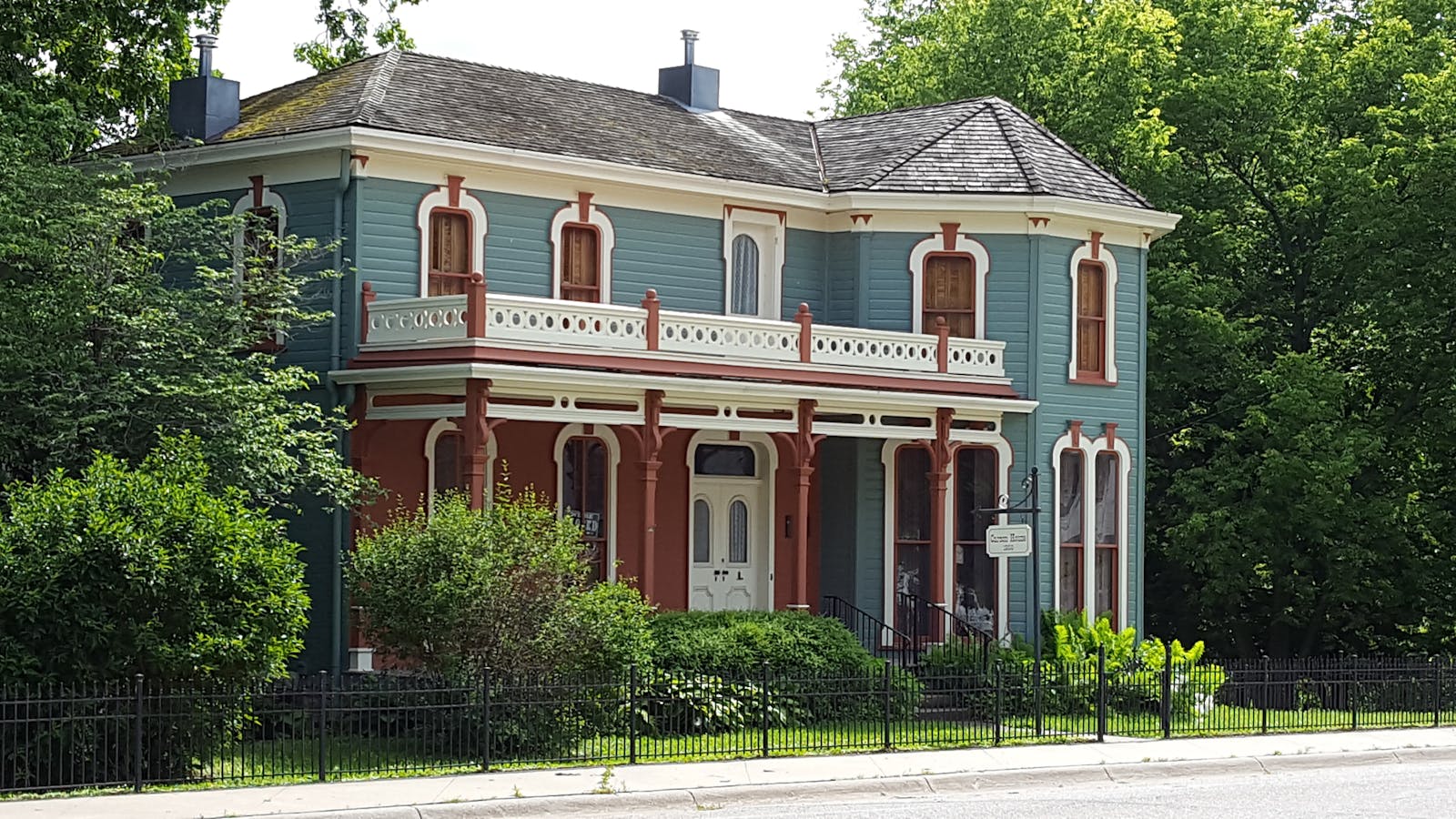
7. Forgetting About Curb Appeal
First impressions happen before buyers even open the door.
If the yard is messy, the porch is cluttered, or the front door looks worn, buyers may already feel less excited about the property.
This is especially important in the South Shore real estate market, where outdoor space and coastal charm are major selling points.
Easy curb appeal upgrades:
Mow the lawn and trim hedges
Sweep the porch or deck
Add a simple welcome mat
Place a couple of planters by the entrance
Make sure the front door looks clean and inviting
A welcoming exterior sets the tone for the entire showing.
Why Proper Home Staging Matters in the South Shore Real Estate Market
Buyers searching for homes in Bridgewater, Lunenburg County, Mahone Bay, and surrounding South Shore communities are often comparing multiple listings online. If your home looks cluttered, dark, or poorly maintained in photos, many buyers may simply skip the showing.
Well-staged homes typically:
Attract more online views
Generate more showing requests
Sell faster
Receive stronger offers
In competitive markets, presentation can directly affect your final sale price.
Thinking About Selling Your Home on the South Shore?
If you’re considering selling your home in Bridgewater, Lunenburg, Mahone Bay, Liverpool, or anywhere along Nova Scotia’s South Shore, preparing your home properly can make a huge difference in how quickly it sells and how much buyers are willing to pay.
The good news? Most staging improvements are simple and inexpensive.
A few smart changes can transform how buyers see your home, and help you maximize its value.